From the real war
The true stories
Almost every operation in Saboteurs starts from something that really happened in the Second World War. Here is what happened, and what the game changes. Only the first operation, Breakwater, is invented.
Operation Frankton, the Cockleshell Heroes
Bordeaux, France · 7 to 12 December 1942 · In the game: Operation Cockle
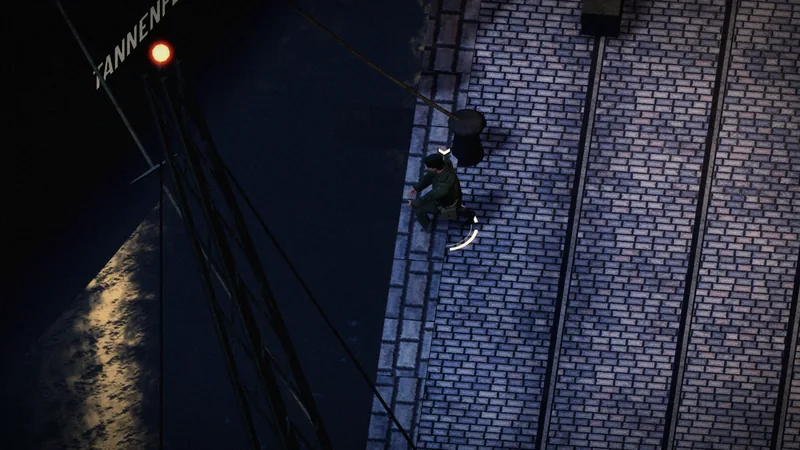
Ten Royal Marines in five canoes left the submarine HMS Tuna off the mouth of the Gironde. Two canoes paddled a hundred kilometres upriver by night, and on 11 December they fixed limpet mines to six ships at Bordeaux. All six were damaged. Only two of the ten came home: Major Herbert Hasler and Marine Bill Sparks walked across occupied France and were taken over the Pyrenees by the Resistance.
What's ours: Merle the docker is made up. The men he stands for were not: the dockers of the Scientist network were preparing their own attack on the same ships, and nobody in London had told either side about the other.
Operation Gunnerside, the heavy water raid
Vemork, Norway · 27 to 28 February 1943 · In the game: Operation Gunnerside
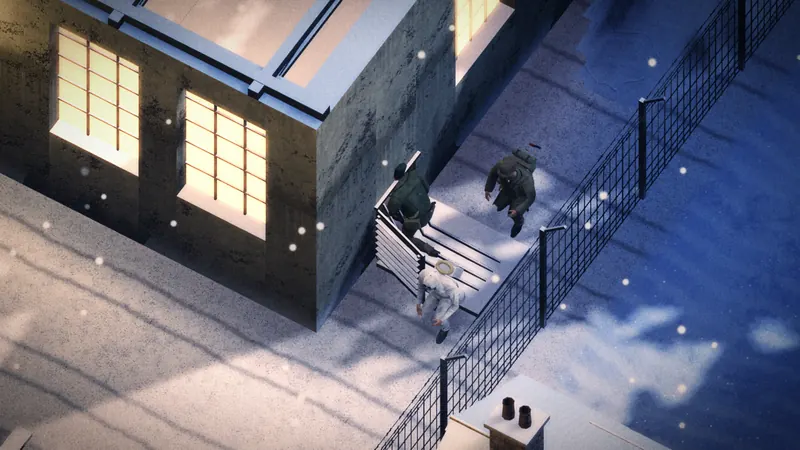
Six Norwegians trained in Britain by SOE parachuted onto the Hardangervidda and found four more who had waited there through the winter. Nine of them went for the heavy-water plant at Vemork. The only road crossed a guarded bridge, so they went down into the gorge, crossed the half-frozen river and climbed to the railway line. Joachim Rønneberg, who led them, cut the two-minute fuses down to thirty seconds.
What's ours: Rype is made up, and in the game four do the work of nine. The searchlight, the ski patrol and the sergeant are ours. The gorge, the railway, the chain, the cable duct, the window and the fuses are history.
The abduction of General Kreipe
Crete, Greece · 26 April to 14 May 1944 · In the game: Operation Crete
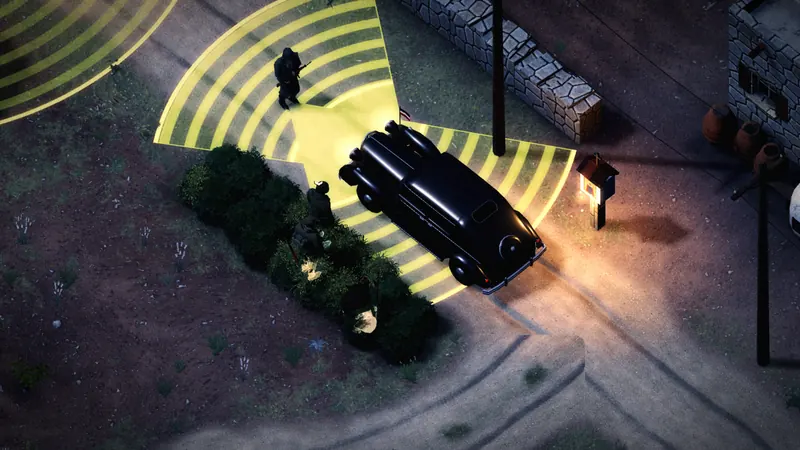
Major Patrick Leigh Fermor and Captain W. Stanley Moss of SOE, with a few Cretan andartes, waited for General Heinrich Kreipe's car on the road near Archanes, in German military-police uniforms, with a red lamp. The car stopped. Moss drove and Leigh Fermor sat beside him in the general's cap, through Heraklion and some twenty checkpoints, the sentries saluting the pennant.
What's ours: Wren, Rook and Perdika are made up, and the map squeezes the road, the town gate and the hills into one night's walk. The lamp, the uniforms, the cap, the checkpoints and the letter they left are history.
Plan Vert, the railways on D-Day night
Normandy, France · 5 to 6 June 1944 · In the game: Plan Vert
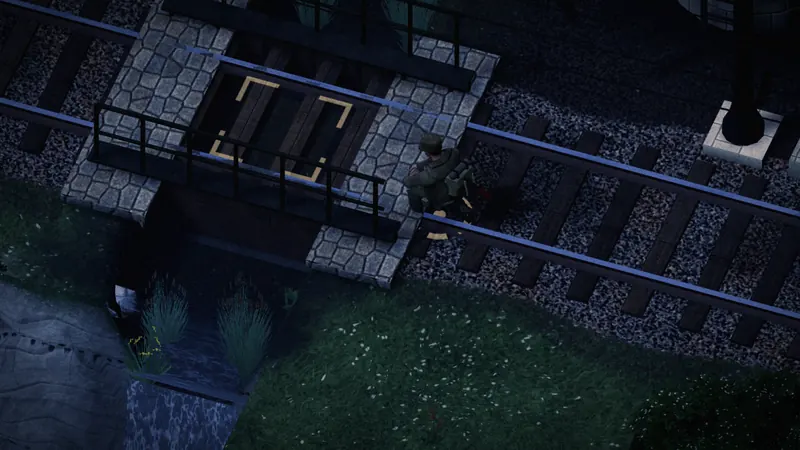
On the evening of 5 June the BBC's French service read out the personal messages that set the Resistance's plans going, Plan Vert for the railways among them. That night railwaymen and the maquis cut lines all over France. German divisions ordered to the beachhead found their trains stopped and the junctions blocked, and many reached Normandy days later than they should have.
What's ours: Grive, Wren and Rook are made up, and so are the junction, its station and its quarry. Plan Vert, the BBC's messages and the night are history.
The SAS raid on Tamet airfield
Near Sirte, Libya · 14 December 1941 · In the game: Tamet
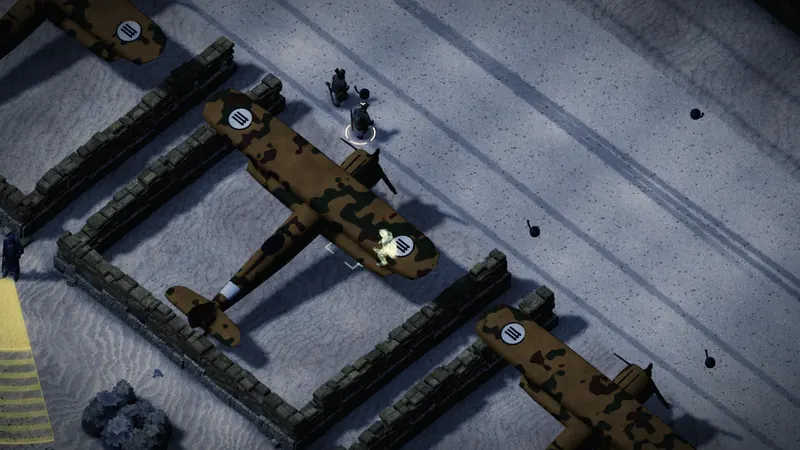
L Detachment's first raid, by parachute, had been a failure, so from then on the Long Range Desert Group drove David Stirling's men to their targets and picked them up again. On the night of 14 December 1941 Paddy Mayne's party walked onto Tamet airfield. His report: bombs on fourteen aircraft, ten more wrecked by hand, and the bomb and petrol dumps blown up.
What's ours: Kea, Wren and Rook are made up, and the field is drawn small: a night's work for three. Tamet, the raid and the night are history.
Joseph Beyrle, the paratrooper of Stalag III-C
Brandenburg · January 1945 · In the game: Stalag III-C
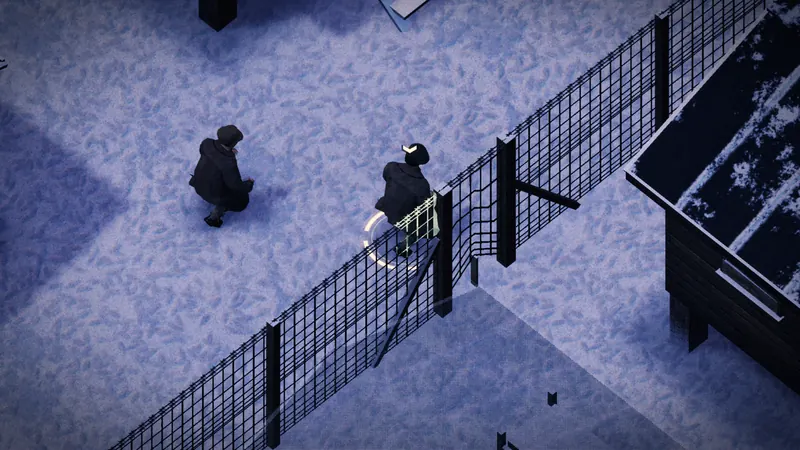
Joseph Beyrle of the 101st Airborne jumped into Normandy on 6 June 1944 and was captured days later. A German soldier was found dead wearing his dog tags, so the War Department listed him as killed in action and his home town held a funeral mass. He was held in seven prisons and camps, and was caught after two escapes before the night he got out of Stalag III-C.
What's ours: Jay is made up, as are Wren and Rook, and none of them was ever in Stalag III-C. The layout of the camp is drawn for play, not from plans of it.
Sugar Loaf and the Mosquito Bowl
Okinawa, Japan · May 1945 · In the game: Sugar Loaf
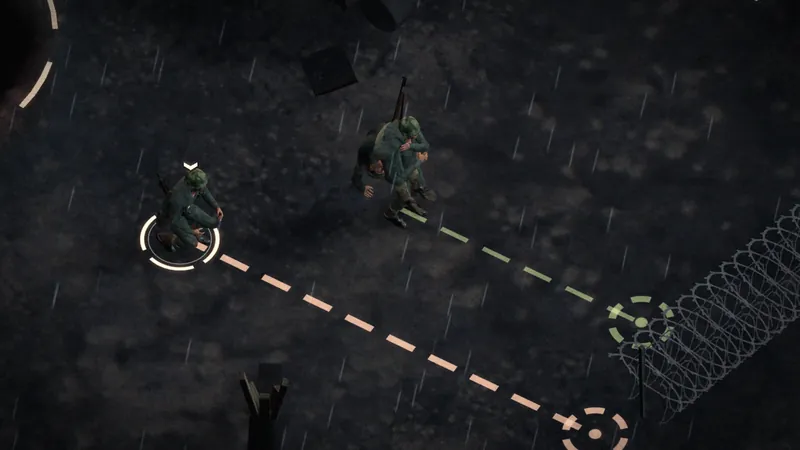
On Christmas Eve 1944, on Guadalcanal, two regiments of the new 6th Marine Division played each other at football on a field of coral. They had a great many college players, and they called it the Mosquito Bowl. It ended 0-0. Three months later most of the men who played in it went ashore on Okinawa, and to the fighting around Sugar Loaf.
What's ours: Kite and Lark are made up, as is this night. The wounded stand for the men brought in off those slopes by the men beside them, and the ground is drawn for play, not from maps of the hill.
Noor Inayat Khan, the wireless operator Madeleine
Paris, France · June to October 1943 · In the game: Phono
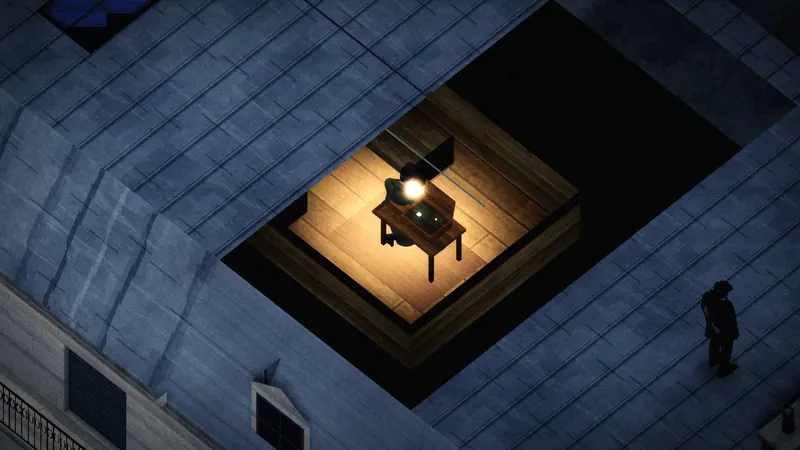
Noor Inayat Khan was the daughter of an Indian musician and an American mother, and grew up just outside Paris writing stories for children. On the night of 16 to 17 June 1943 the Special Operations Executive flew her into France, code name Madeleine, one of the first women sent there to work a wireless set. Within days the Germans began rolling up London's biggest network in France. London offered to bring her home. She stayed, and through that summer she was the main link between what was left in Paris and London, with direction-finding vans hunting her signal. She lasted about three and a half months before her arrest; who betrayed her is disputed. She was shot at Dachau on 13 September 1944, aged thirty. Britain gave her the George Cross in 1949.
What's ours: Bulbul, Pinson, Choucas and this night are made up, as are the streets, which are the game's. They stand for her, and for the couriers, the concierges who kept quiet and the people who gave a room to a stranger with a suitcase.
The raid on the Los Baños internment camp
Luzon, Philippines · 23 February 1945 · In the game: Los Baños
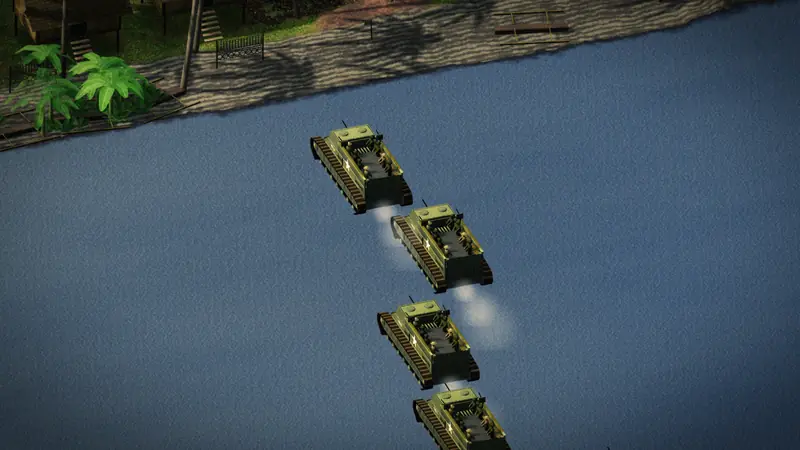
By 1945 more than two thousand civilians, most of them American, were behind the wire of a Japanese camp on a college campus at Los Baños, between Mount Makiling and Laguna de Bay. Two men who got out gave the guerrillas and the US 11th Airborne Division what they needed: the posts, the machine guns, and the morning roll call and exercises the guards turned out for without their rifles. At seven on 23 February, nine C-47s dropped a company of paratroopers beside the camp while a reconnaissance platoon and the guerrillas hit the posts, and 54 amtracs came across the lake to carry everyone off. Within days Japanese troops came back and killed about 1,500 civilians in the town of Los Baños. Whether all of it was revenge for the raid is disputed.
What's ours: Maya, Shrike and Brolga are made up. The pages in the game tell what was done to the town, and name what the sources disagree on.
The breakout from Bir Hakeim
Libya · 26 May to 11 June 1942 · In the game: Bir Hakeim
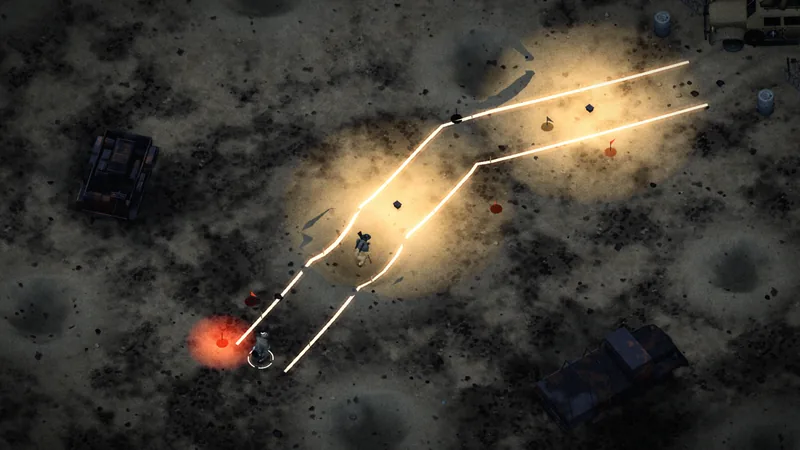
Bir Hakeim was a dry well at the far southern end of the British line in Libya. About 3,700 men of General Koenig's 1st Free French Brigade held it against Rommel's attack for fifteen days and refused three demands to surrender. The order to get out came on 10 June, with about 200 rounds left for the 75s. After dark the sappers cleared a narrow lane through their own minefield, and the brigade drove for three red lamps the British had set about 7 km out. Susan Travers, an Englishwoman who drove for Koenig, took his car through at the head of the column; she counted eleven bullet holes in it. Between 2,400 and 2,700 men reached the British, by the count you take. Rommel found an empty position in the morning.
What's ours: Swallow, Gorrión, Otaha and this one lane are made up. They stand for the sappers on their knees in the dark, and for those who drove.
The rescue of PT-109's crew
Solomon Islands · 2 to 8 August 1943 · In the game: Olasana

On the night of 1 to 2 August 1943 the Japanese destroyer Amagiri cut PT-109 in two in Blackett Strait. Two men were lost. Eleven lived, among them its lieutenant, John F. Kennedy, and they swam to small islands behind the Japanese lines. Nobody expected survivors, but Arthur Reginald Evans, an Australian coastwatcher, sent his Solomon Islander scouts to look, in canoes, through waters full of Japanese barges and under Japanese aircraft. Two of them, Biuku Gasa and Eroni Kumana, found the men and carried out a message cut into a green coconut. Before dawn on 8 August two PT boats came through the reef and took everyone off.
What's ours: Belama, Kikio and Manuvu are made up, and the likeness of no real person is used. The game's signal to the boats is a lamp; the real one was four shots.
Want the game itself? Start at the home page, or read what kind of game it is.