
Field operations · File 12
New operation
Olasana
Blackett Strait, the Solomon Islands · August 1943
Broad daylight, a dugout, a floatplane overhead, and eleven men nobody expects to find.
The briefing
Eleven men. Two scouts.
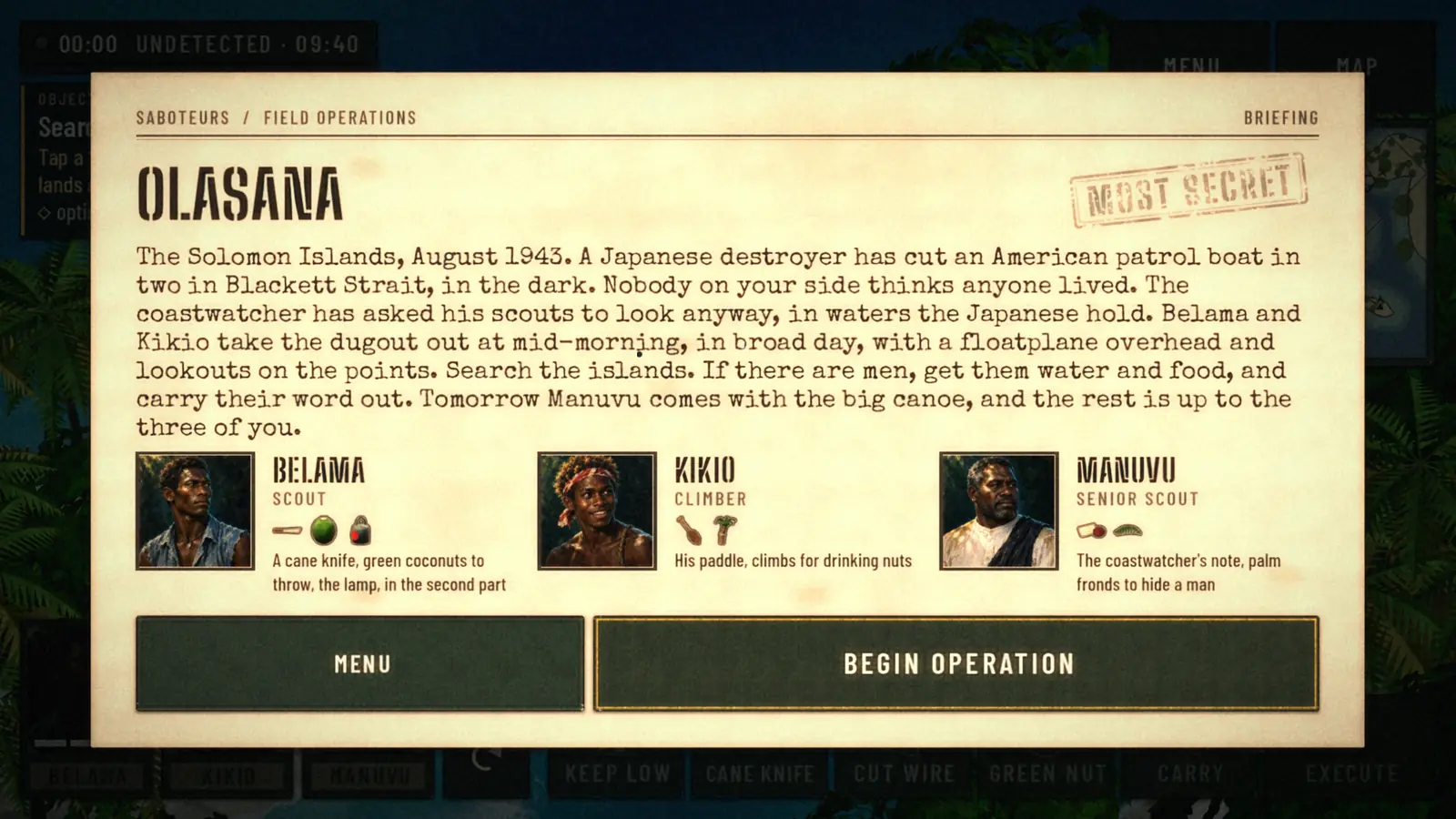
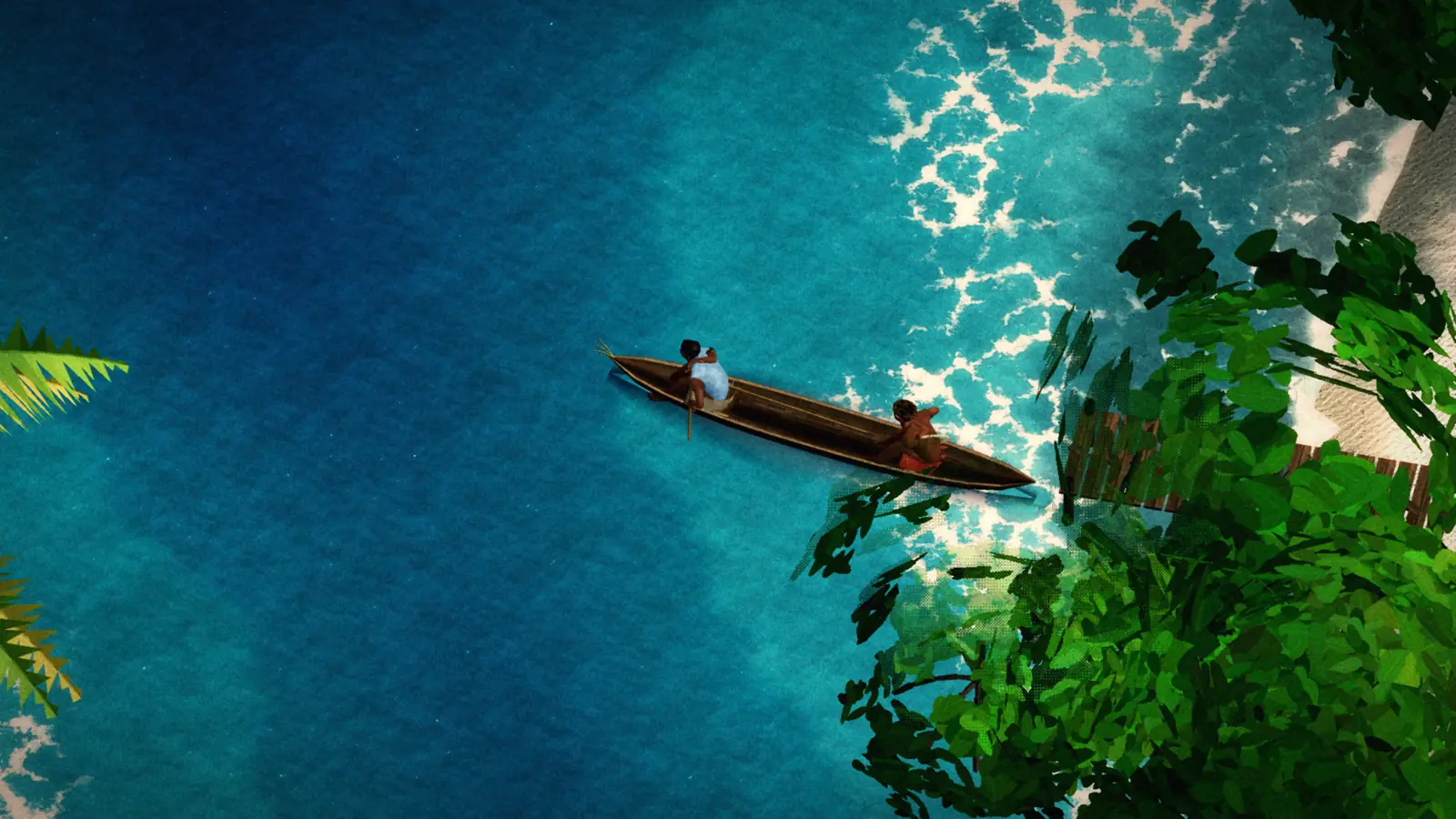
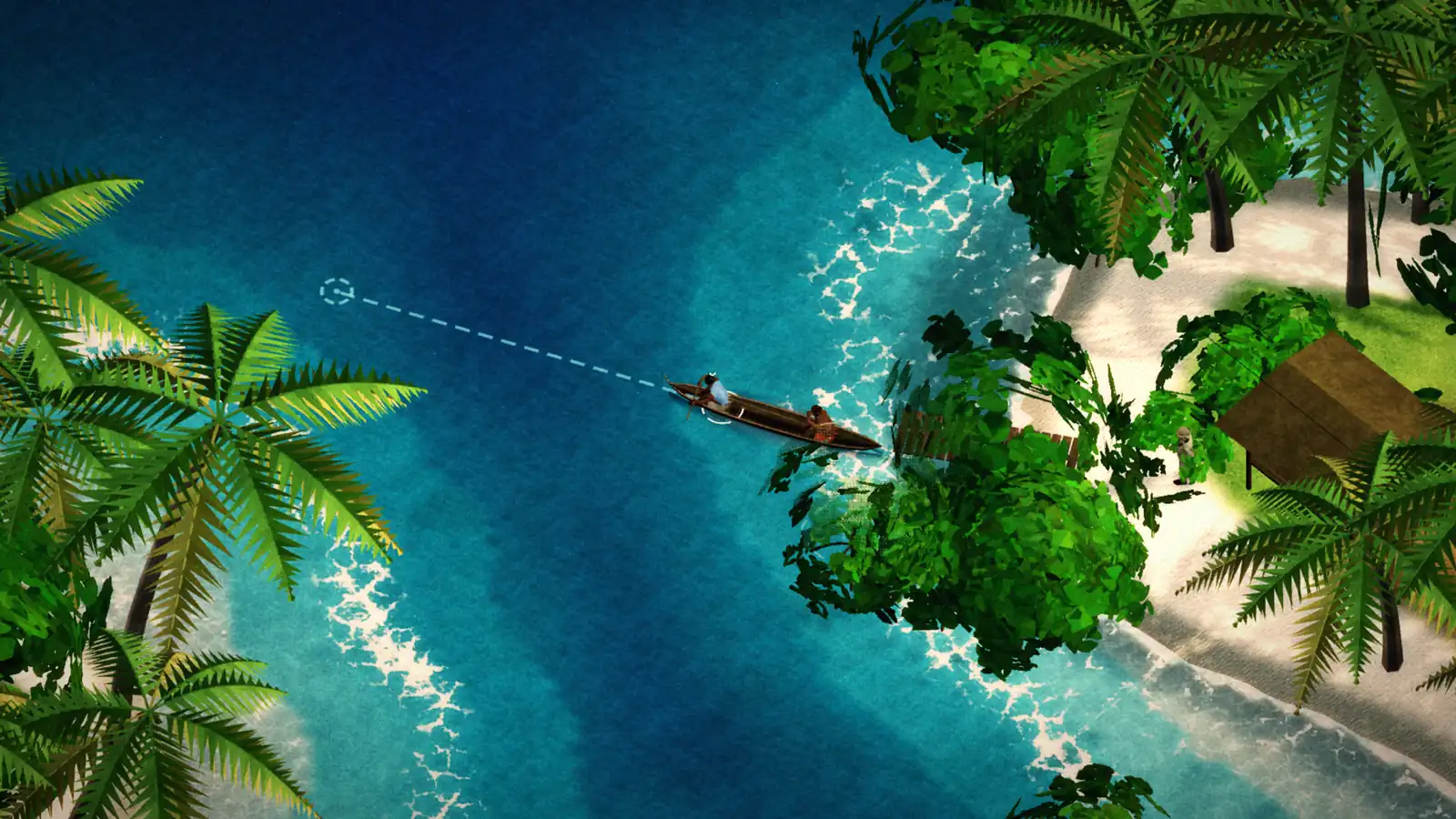
The Solomon Islands, August 1943. A Japanese destroyer has cut an American patrol boat in two in Blackett Strait, in the dark. Nobody on your side thinks anyone lived. The coastwatcher has asked his scouts to look anyway, in waters the Japanese hold. Belama and Kikio take the dugout out at mid-morning, in broad day, with a floatplane overhead and lookouts on the points. Search the islands. If there are men, get them water and food, and carry their word out. Tomorrow Manuvu comes with the big canoe, and the rest is up to the three of you.
- Search the islands for survivors Four islands have a mark on them. Whoever finds the men has to land and walk.
- Bring them drinking nuts and food Only Kikio climbs. The food is in the wreck on Naru, with two sailors working it.
- The message on the coconut Then carry it out through the east gap, past the lookout on the spit.
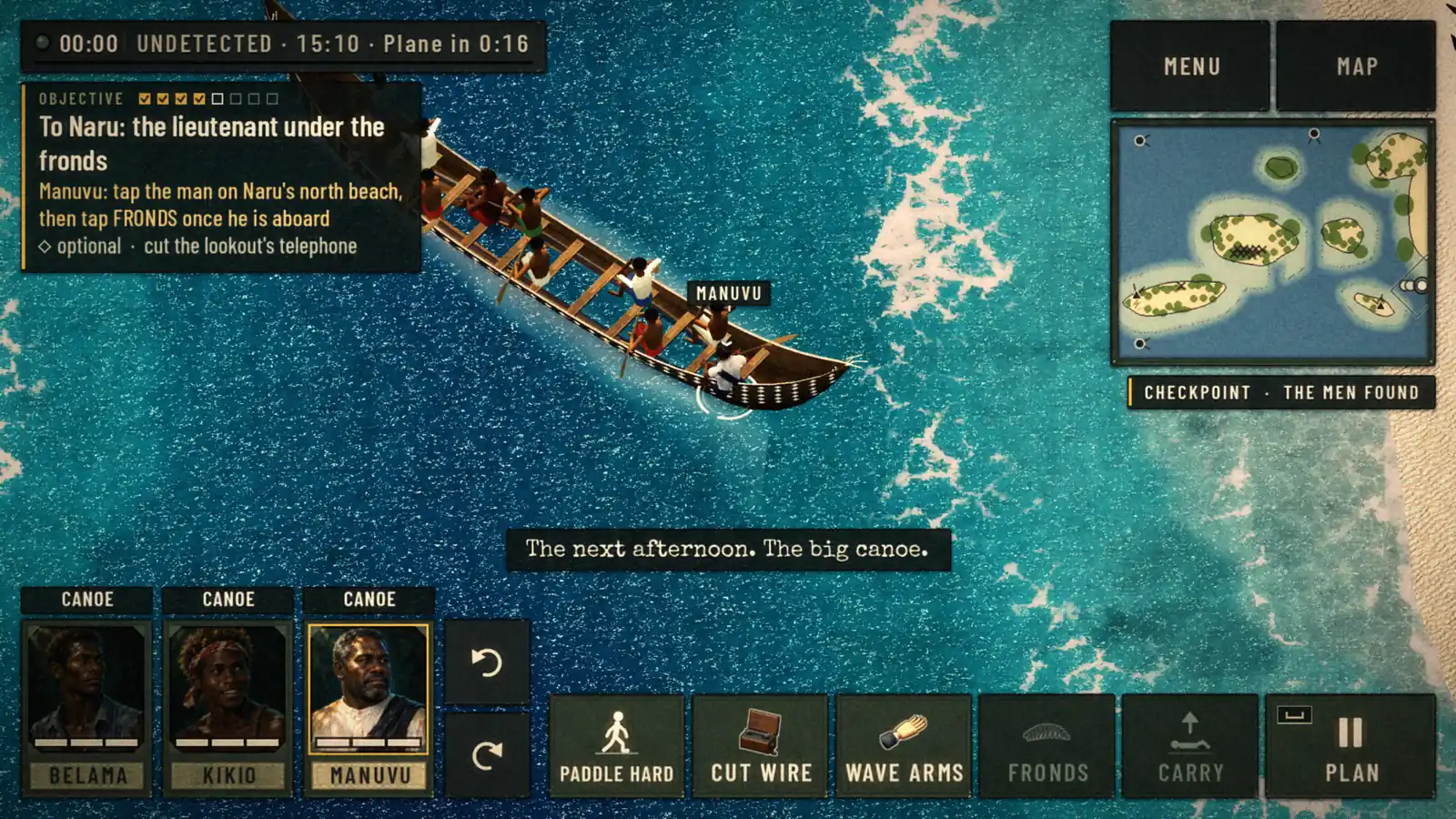
- To Naru: the lieutenant under the fronds The next afternoon, in the big canoe, with Manuvu. Then to the coastwatcher at Gomu.
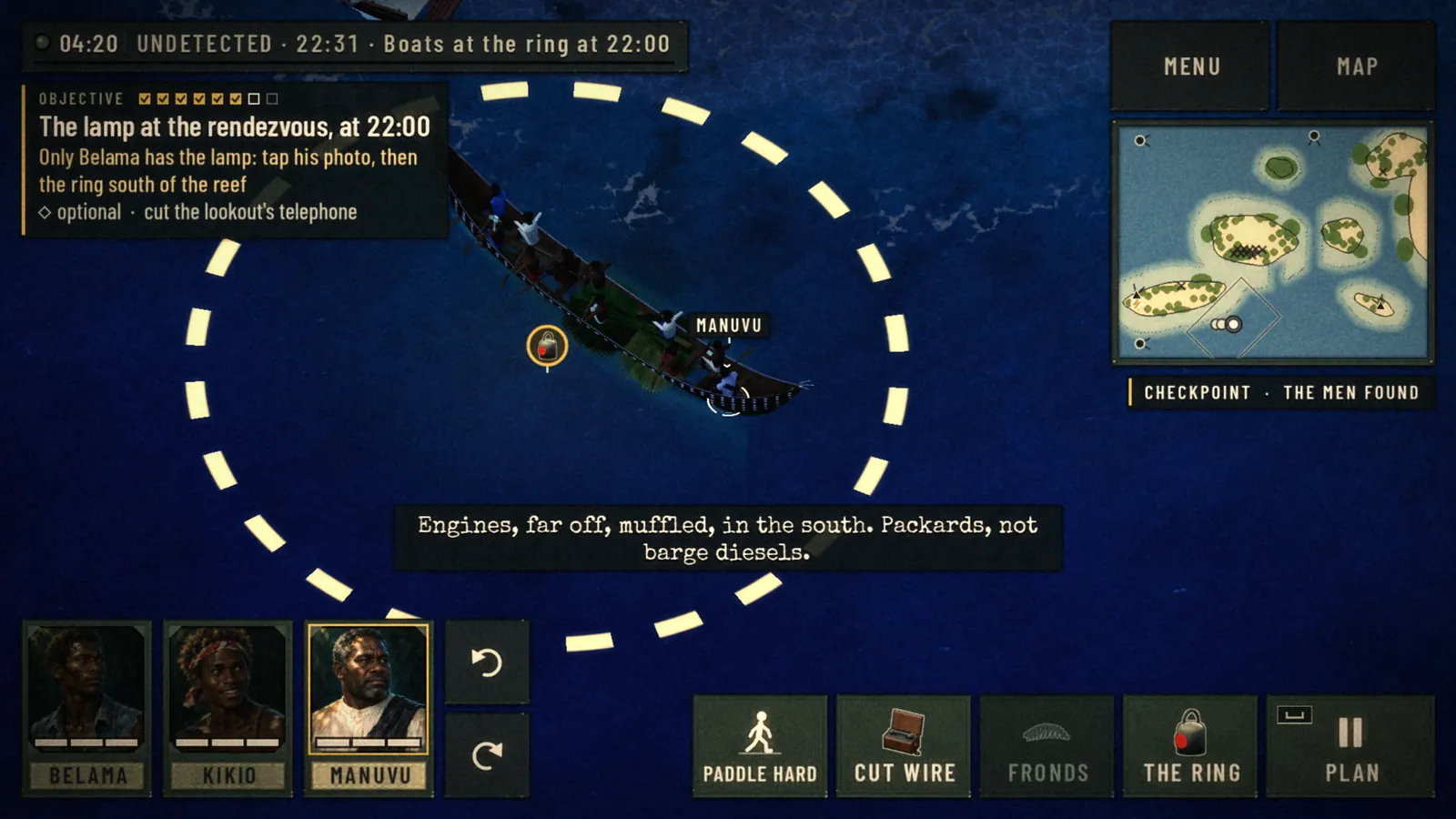
- The lamp at the rendezvous, at 22:00 Only Belama has it. Too early, and anyone can see it.
- Lead the boats through the gap They can cross the reef nowhere else.
- Cut the lookout's telephone Optional On a post south of his tower on Naru. With it cut, no alarm brings the plane.
Lose any of you and it is over. The twelfth operation.
The squad
Three scouts, and no guns.
-
Belama
New
Scout
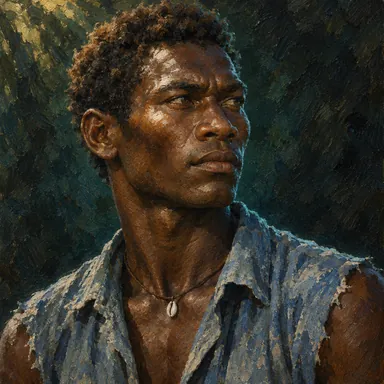
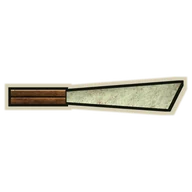
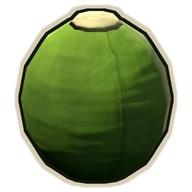
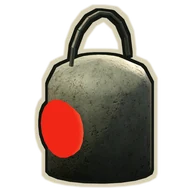
A man of about twenty-seven, new to the squad. He has a cane knife, and green coconuts to throw: a splash or a thud draws a man on foot. In the second part only he has the lamp, and knows the signal.
Kit a cane knife, green coconuts to throw, the lamp, in the second part
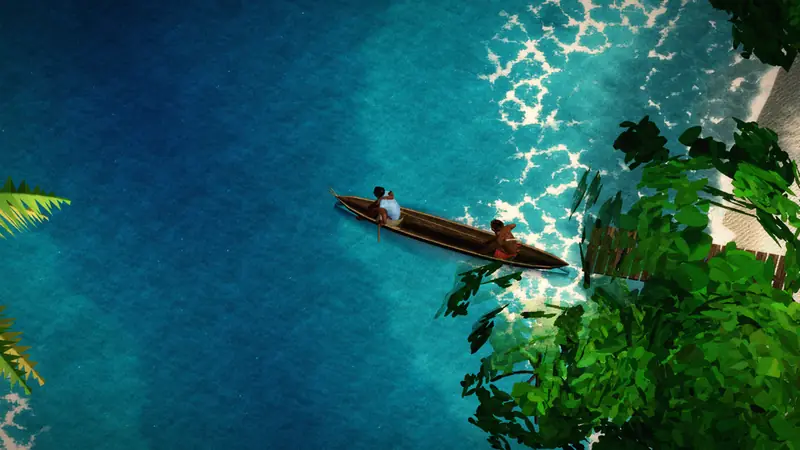
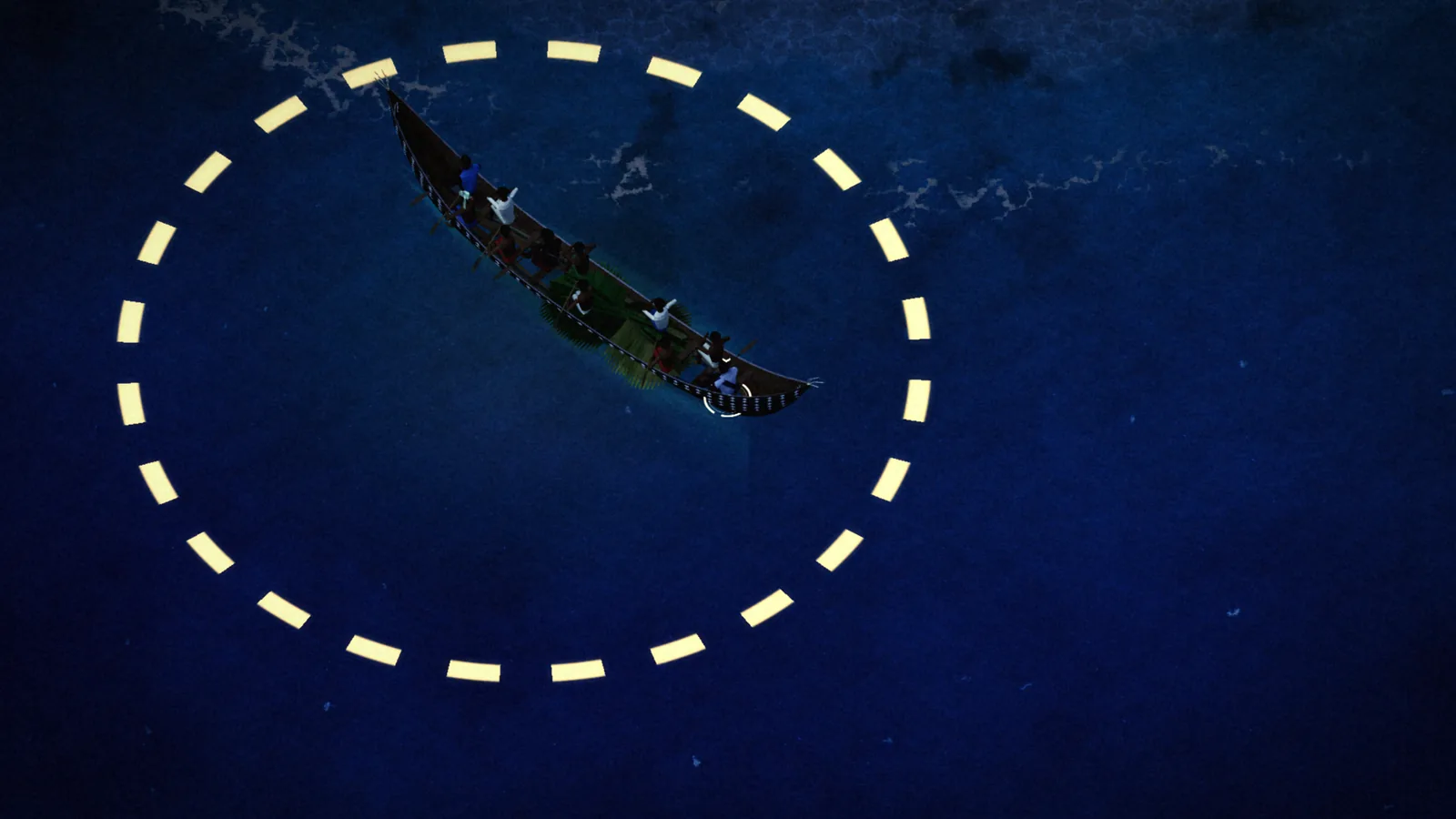
The dugout. Out at mid-morning, in broad day. -
Kikio
New
Climber
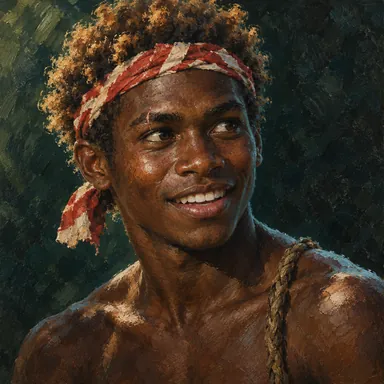
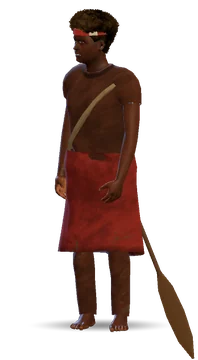
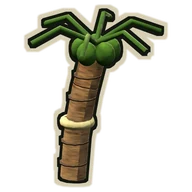
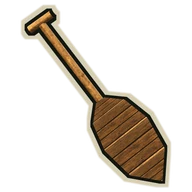
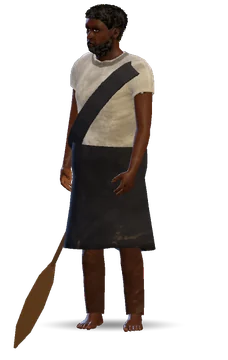
A man of about nineteen, new to the squad. Only he climbs: a palm with a white ring on it, for the drinking nuts the men need first. His paddle stuns, and he carries no other weapon.
Kit climbs for drinking nuts, his paddle
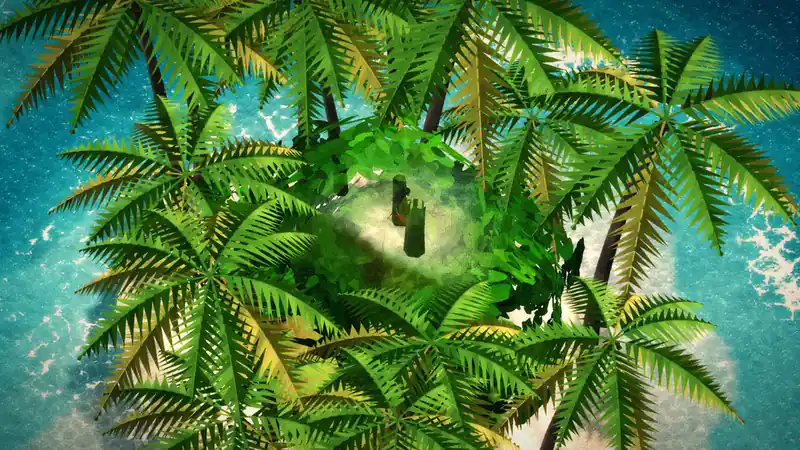
The palm. Water first, then food. -
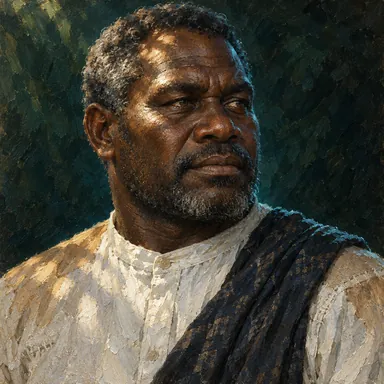
Manuvu
New
Senior scout
A man of about forty-five, new to the squad, who comes with the big canoe on the second day. He alone can read the coastwatcher's note and talk to the lieutenant, and he hides him under palm fronds. He has no weapon.
Kit the coastwatcher's note, palm fronds to hide a man
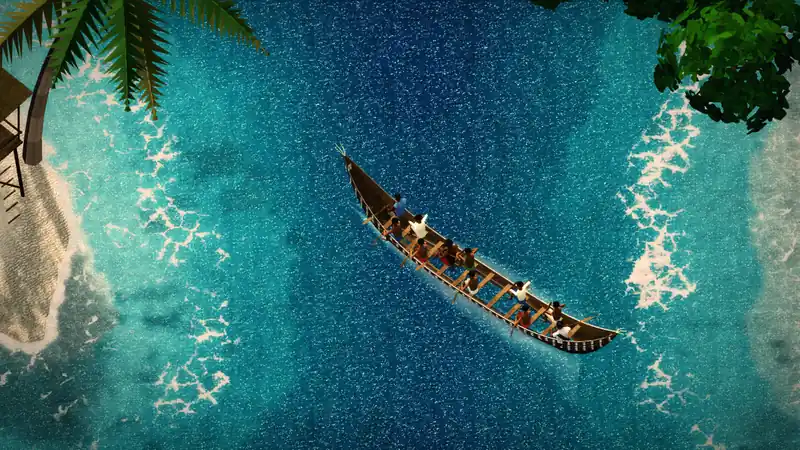
The big canoe. By day she passes for a village's.
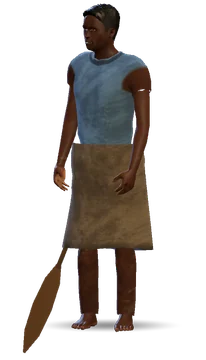

The other side
Who's on watch
Every guard has a cone you can see and a beat you can learn. By day they see further than they do at night.
-
Sailor
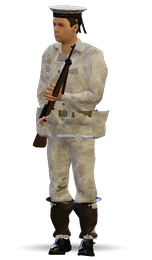
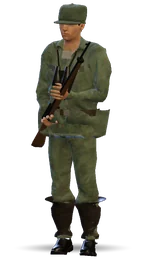
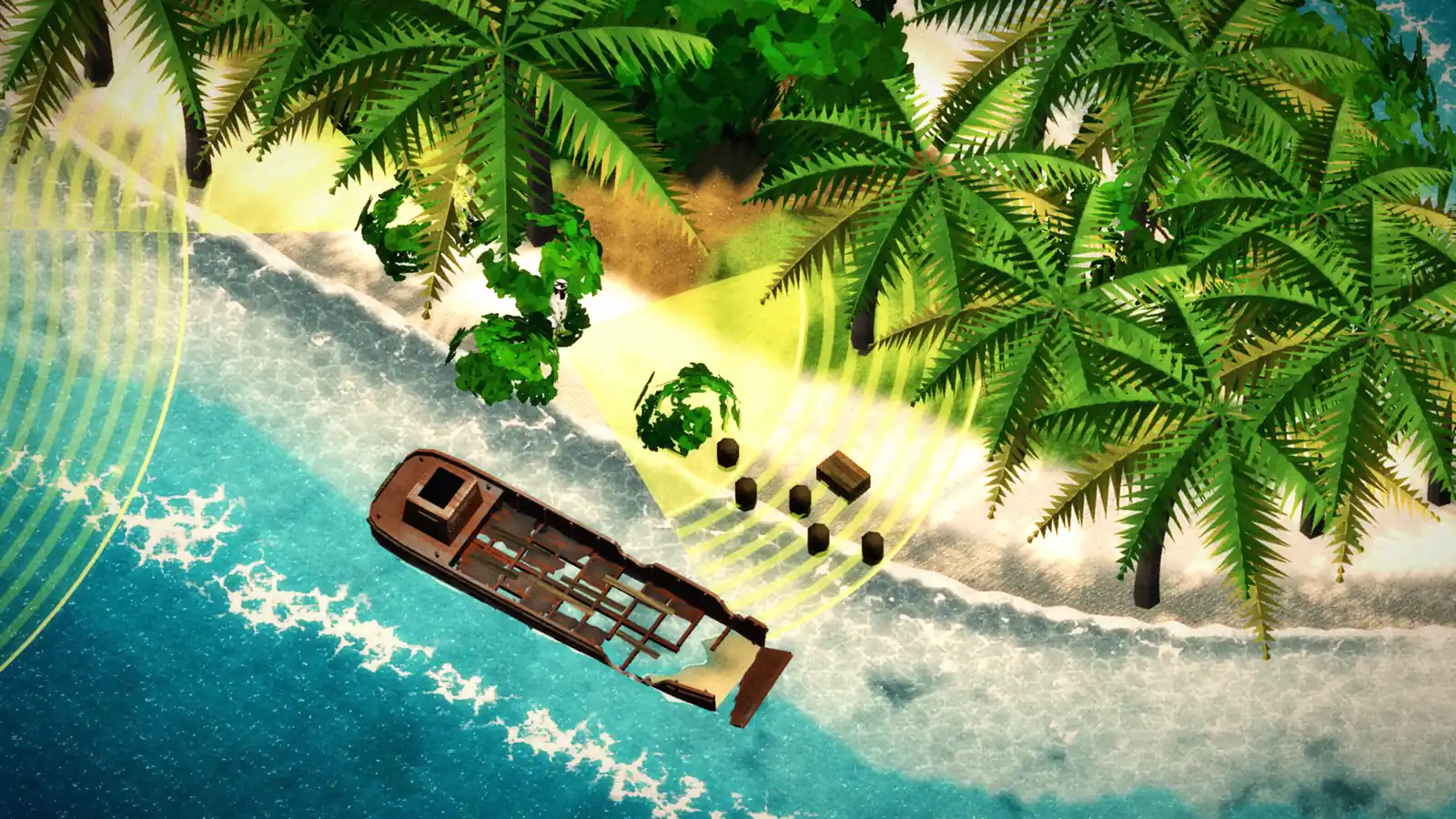
Two navy men work the wrecked barge on Naru's south reef, the crate on the sand beside it. A thrown green nut draws one off.
-
Petty officer
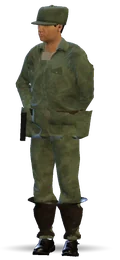
He walks Naru's shore between the point and the wreck. Carry a man you have put down into the shade, or the next round finds him.
-
Lookout
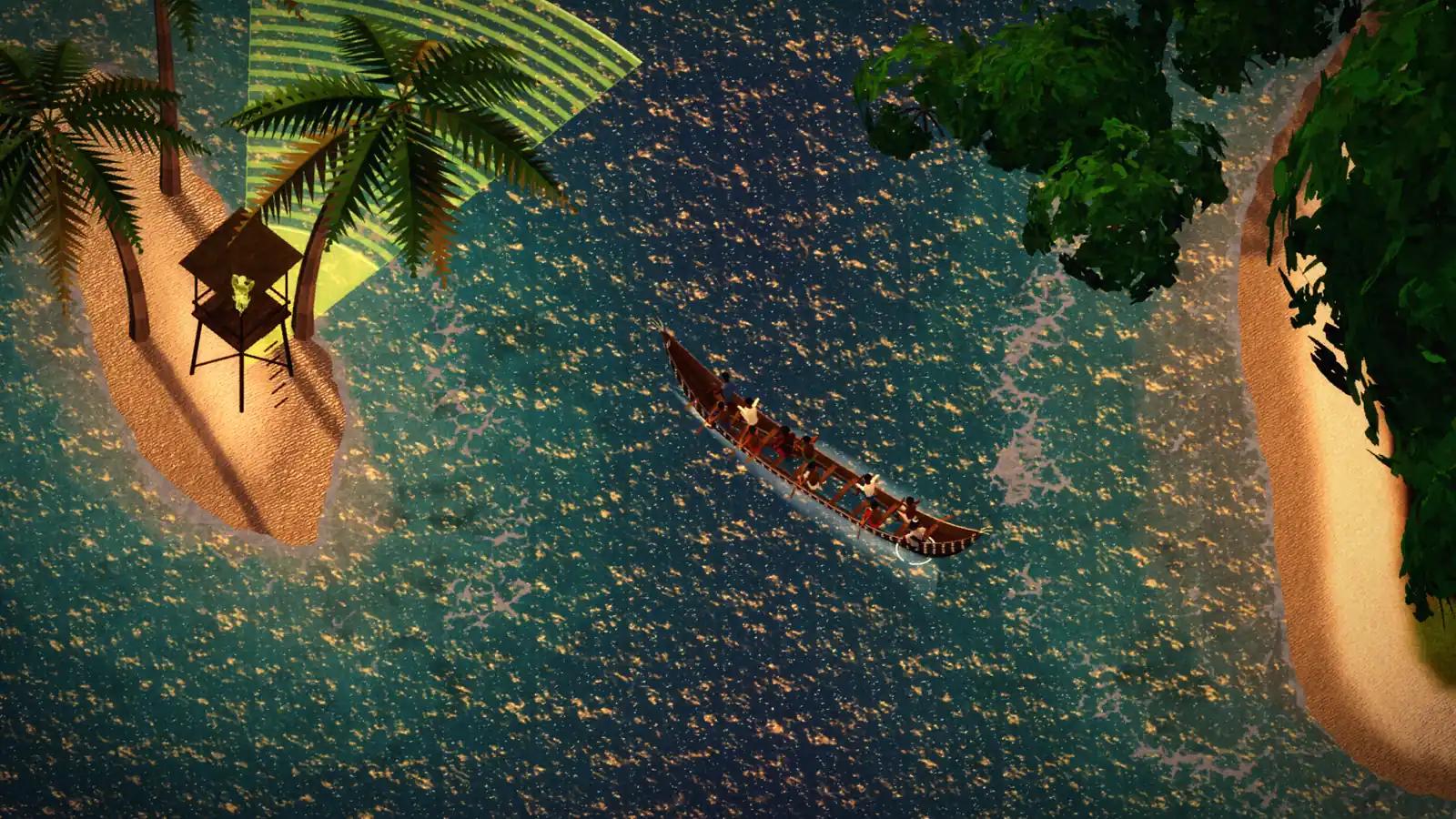
Up on poles on Naru's point and on the spit by the east gap. Looking into the low sun he sees only what is close: come at him out of the sun.
On the water
The machines
Built in the game after the real thing.
-
Dugout
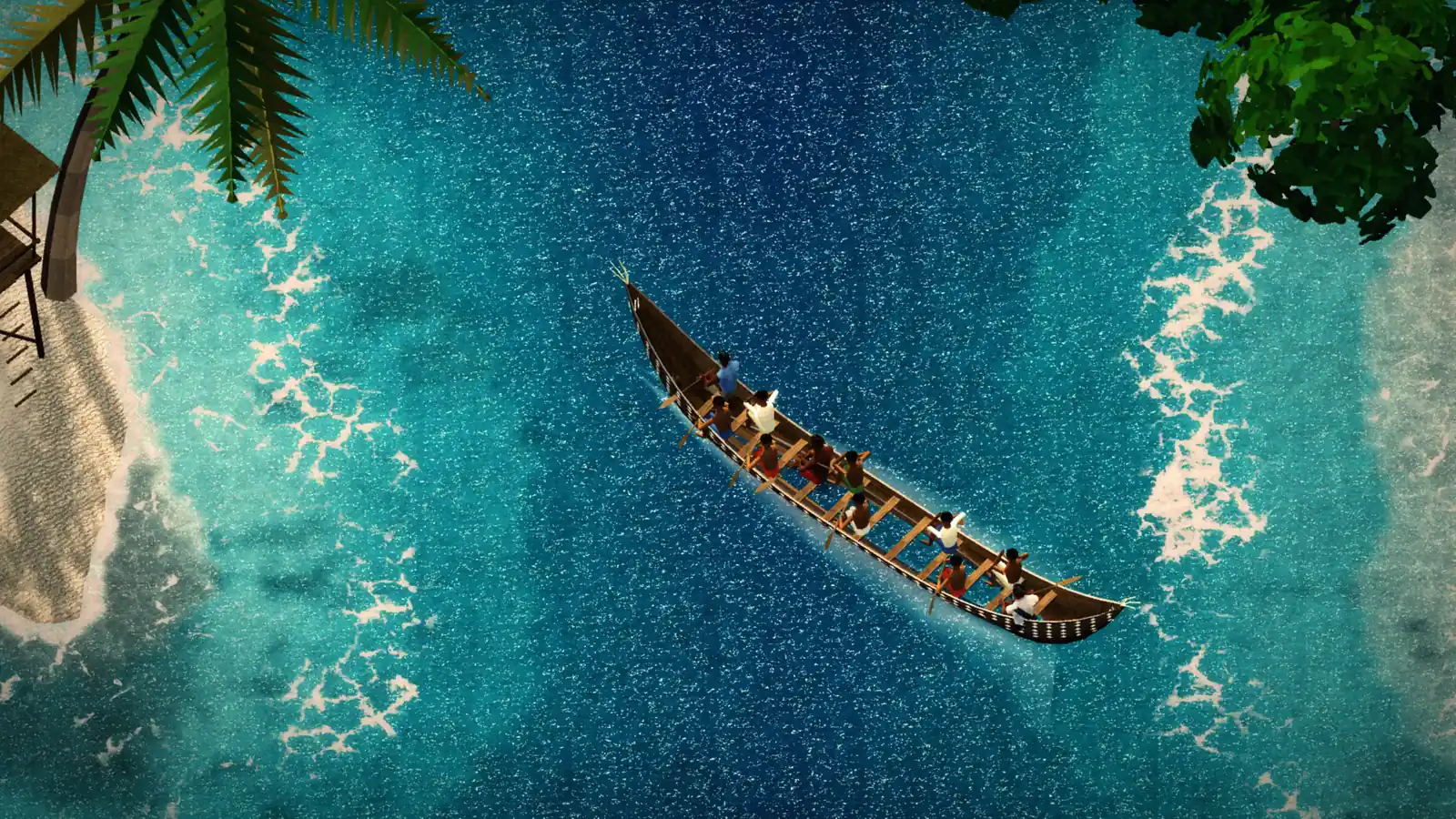
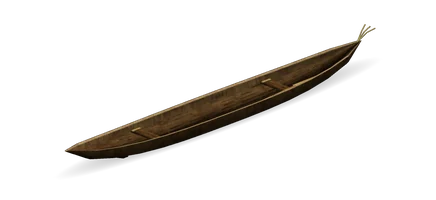
A hollowed log and the scouts' two paddles. Kept low and stopped dead, she is a drift log.
-
Big canoe
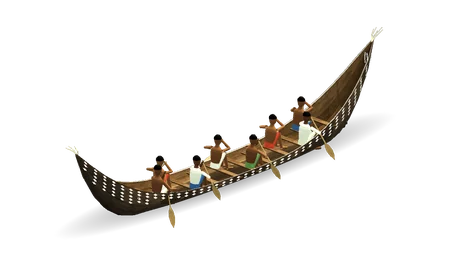
She cannot hide. By day she passes for a village's canoe while all of you sit up and paddle and nobody comes within a few metres.
-
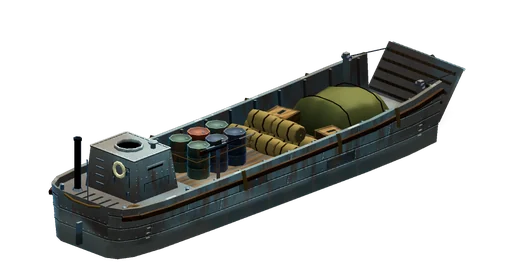
Daihatsu barge
A ramp bow, a steel box, a low wheelhouse aft. Two by day, three after dark with hooded lamps. They go round the reef, and a hunting barge stops at its edge.
-
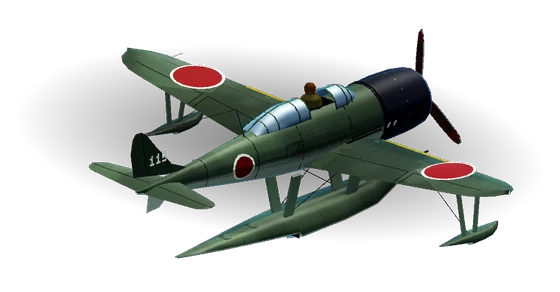
Floatplane
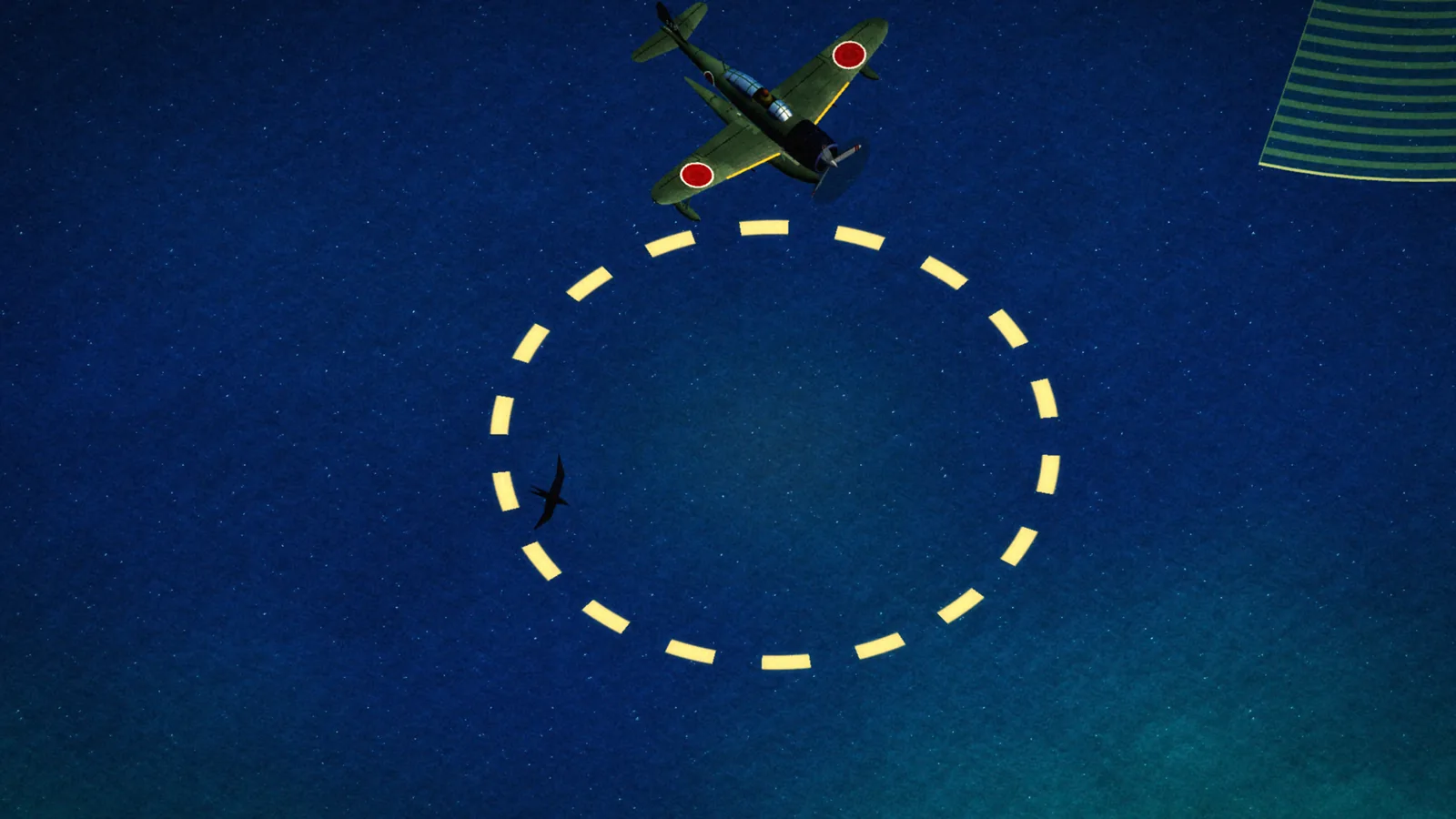
It flies its legs by day, its ring sliding over the water. At dusk it goes home.
-
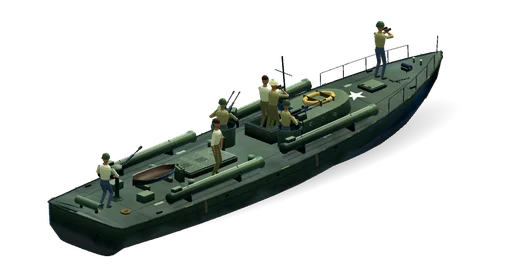
PT boat
An Elco 80-footer: twin .50s beside her bridge, four torpedo tubes, a 20 mm on her fantail. Two come for the men after dark, and you lead them through the gap, dead slow.
From above
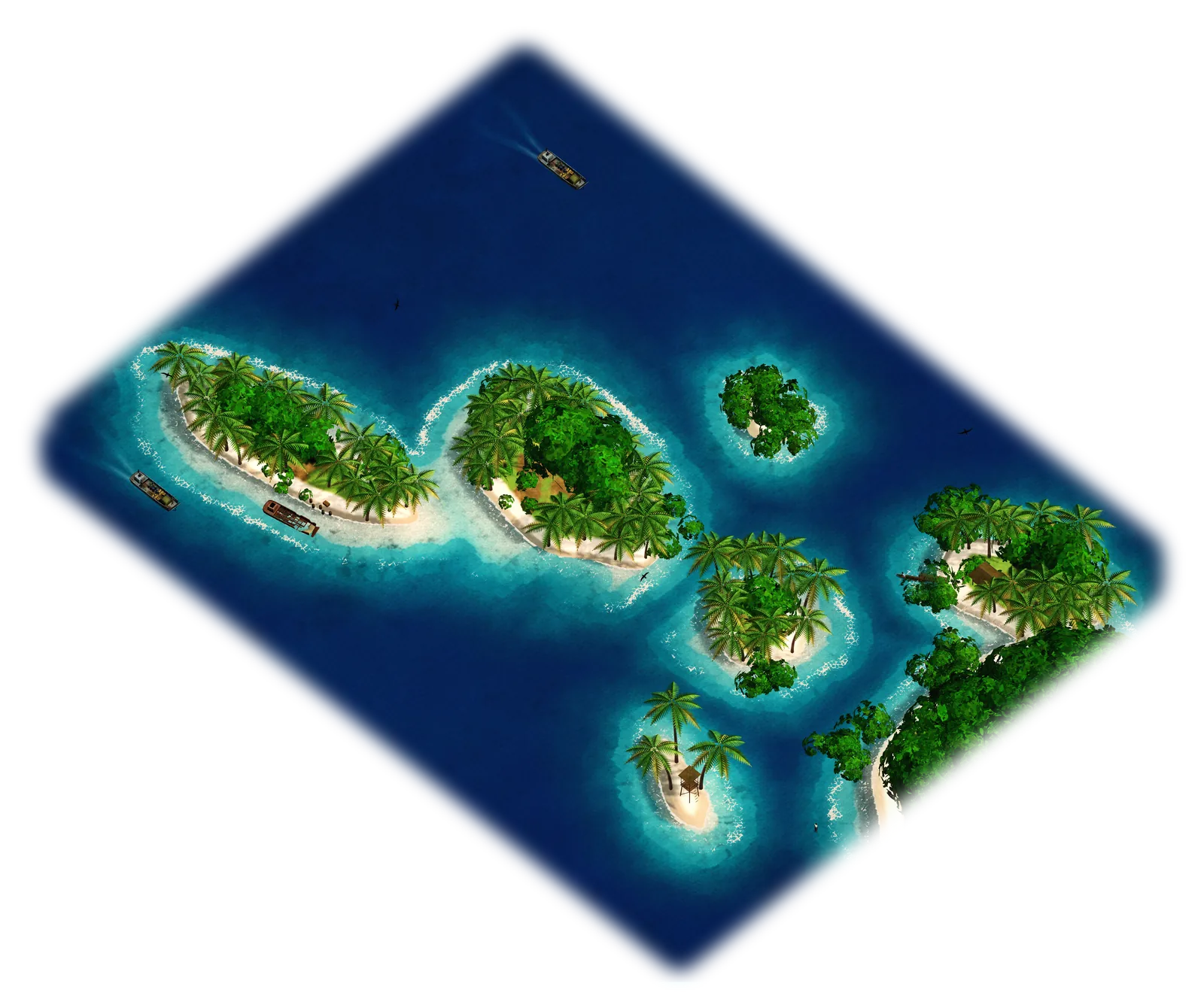
The whole ground
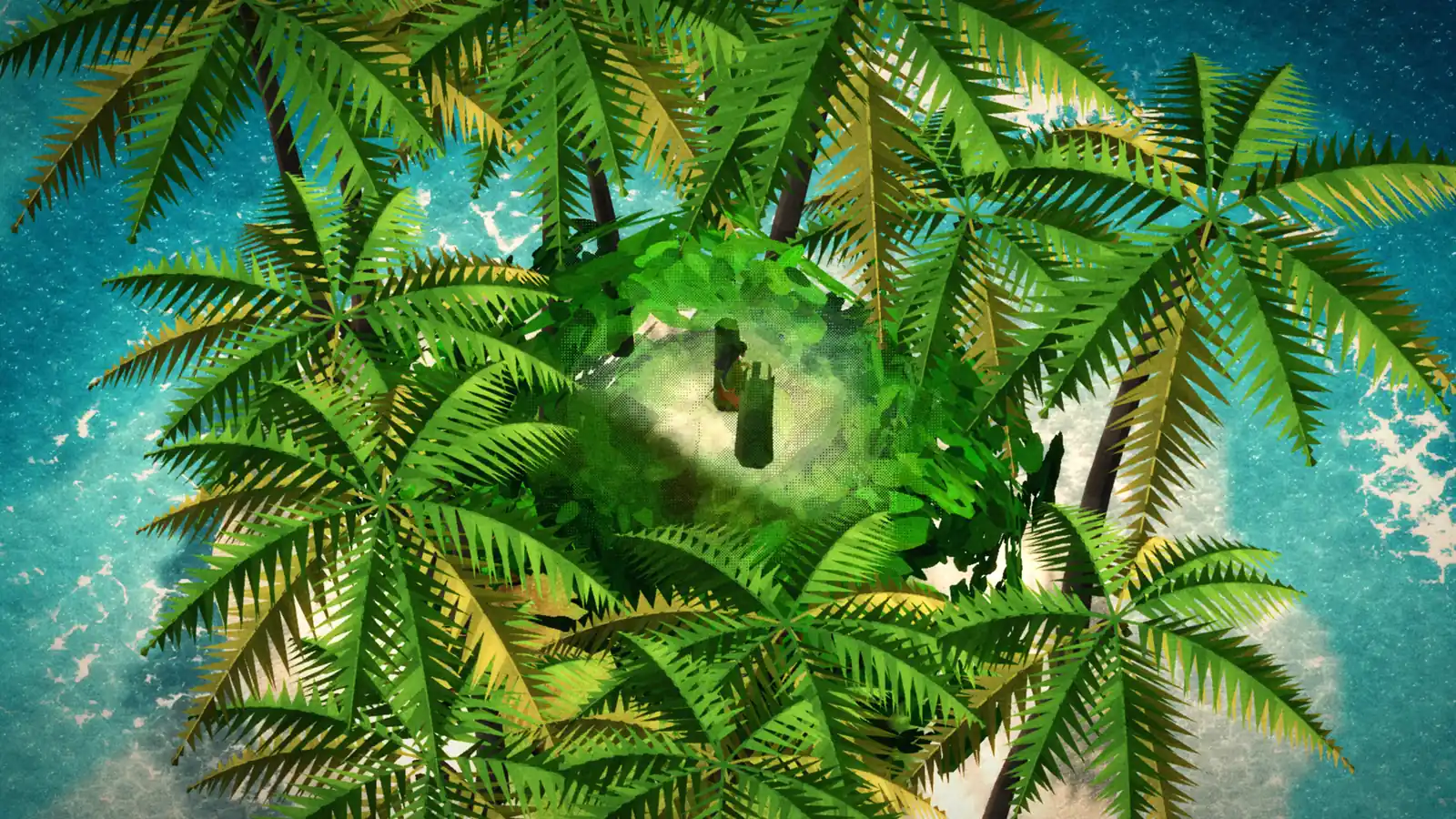
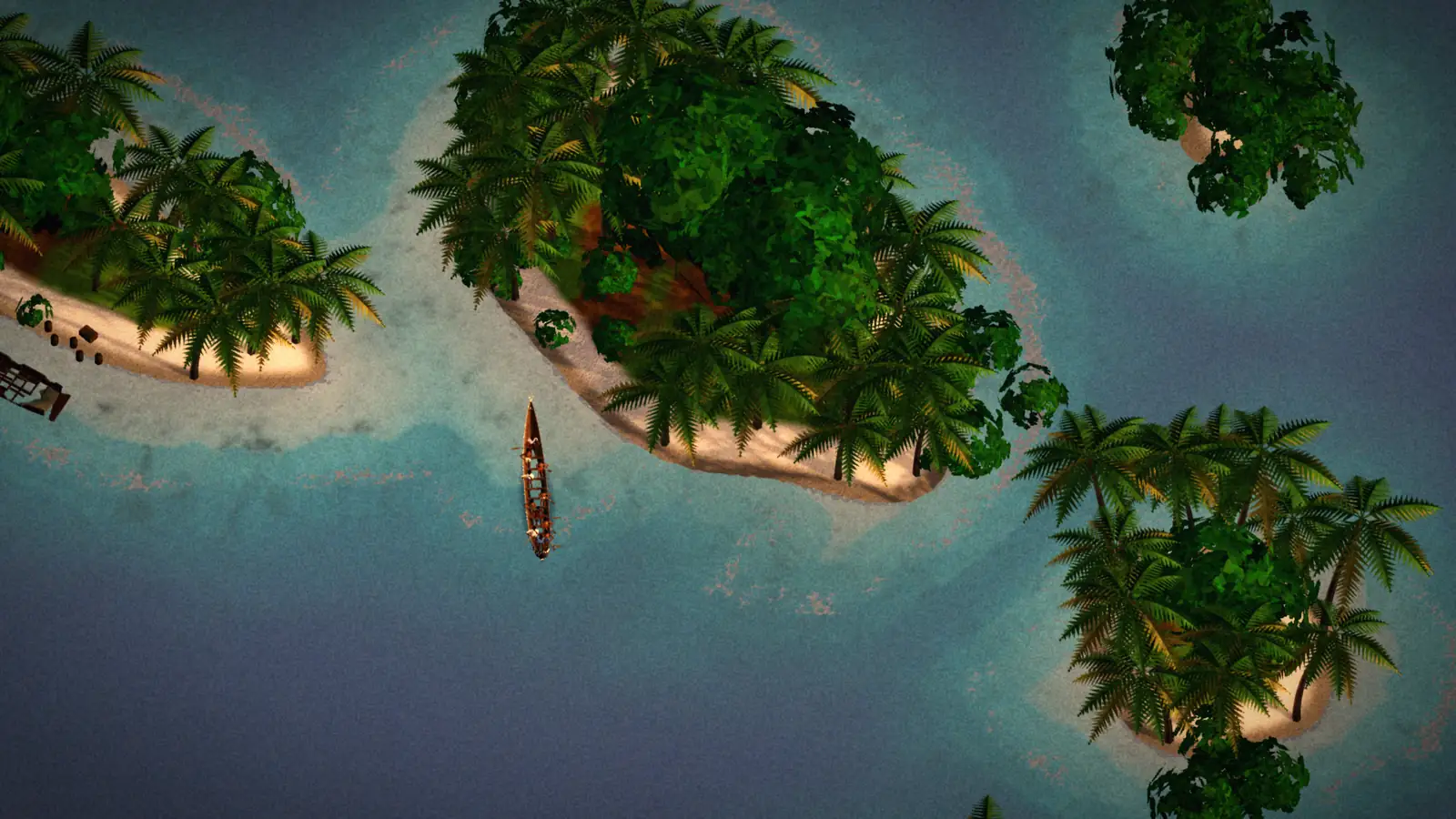
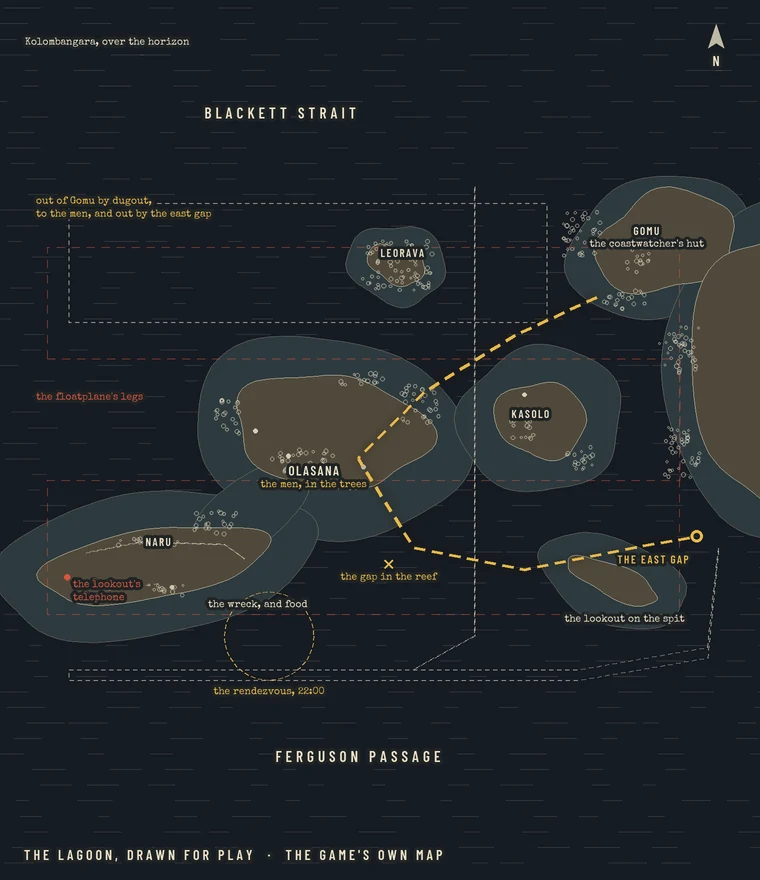
All of it at once, as the game draws it at mid-morning: the scouts at their start, the barges on their rounds. Drag it about, and zoom in on anything.
New in this operation
Four new tricks
-
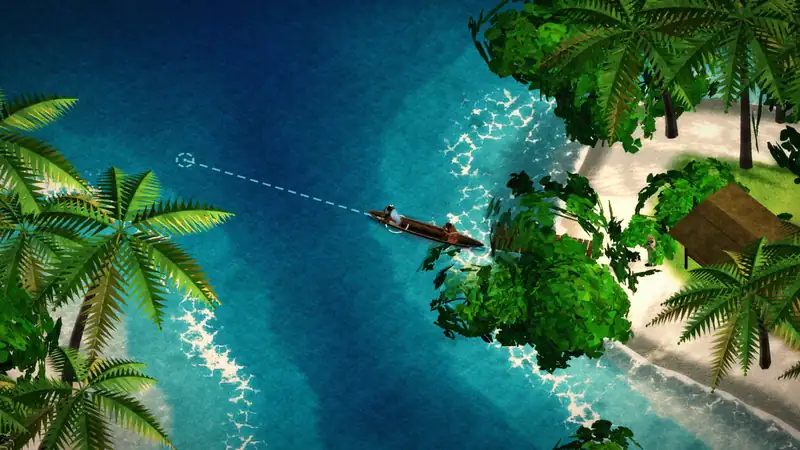
Keep low
KEEP LOW is slow, and the pale part of a cone does not see the canoe. PADDLE HARD is fast, and seen right across a cone. Under the dark green of the mangroves, kept low, you are gone.
-
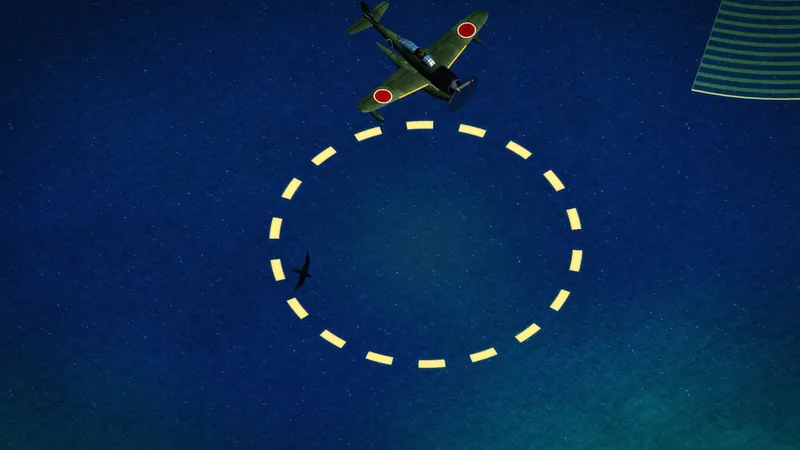
The floatplane
The floatplane's ring sweeps the water. When it comes over you, tap your man to stop dead, or get under the green. A canoe not moving is a drift log.
-
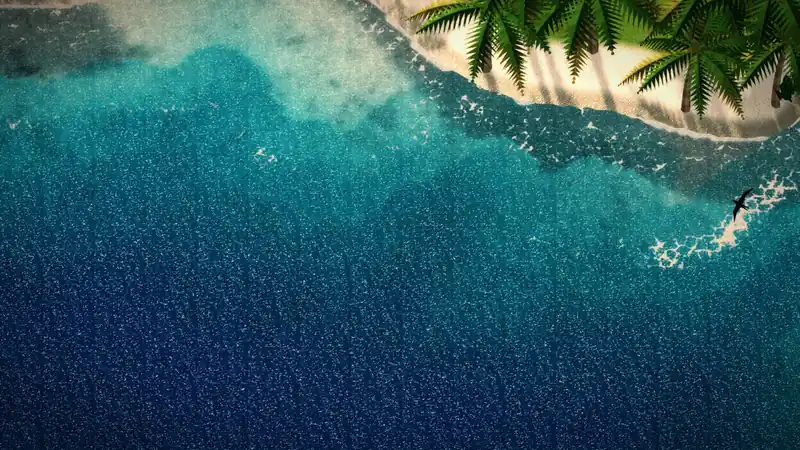
The reef
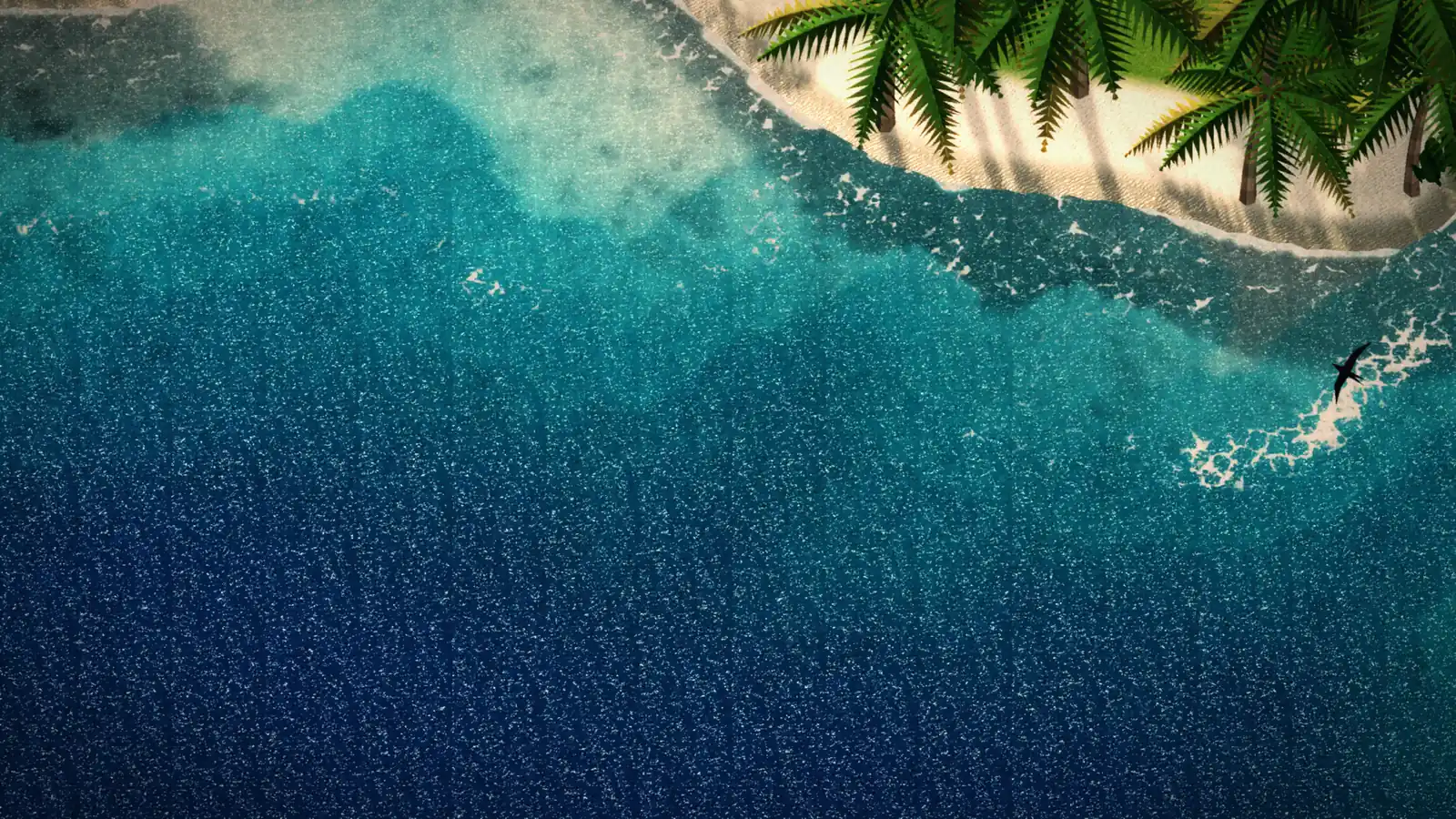
Pale water is reef. Canoes cross it, slowly. Barges cannot: they go round by the blue, and a hunting barge stops at the edge.
-
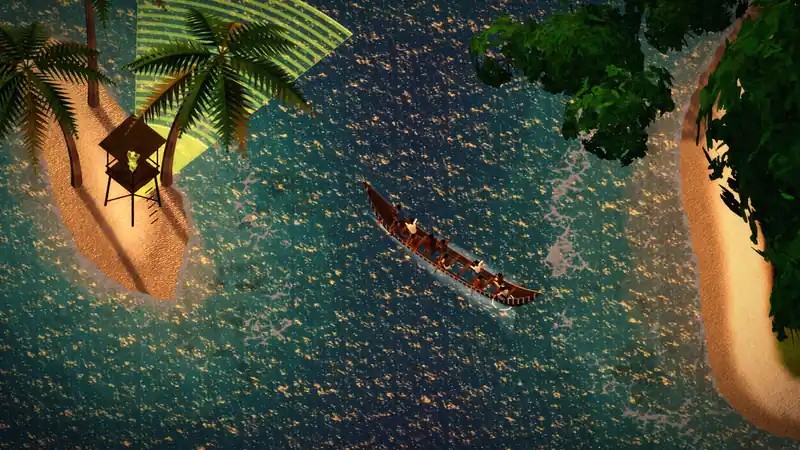
The glare
A man looking into the low sun sees only what is close: watch his cone shrink when he turns toward it. Come at him out of the sun.
From the canoe

22:00
The lamp
After dark the barges come out, with hooded lamps. At 22:00 two PT boats come in from the south to a ring on the water, and Belama shows the lamp. They went out through the gap at dead slow, with eleven men on deck. Belama and Kikio went back to work: the coastwatcher had other boats to look for, and the Japanese were still there. Their names were not in the papers.
-
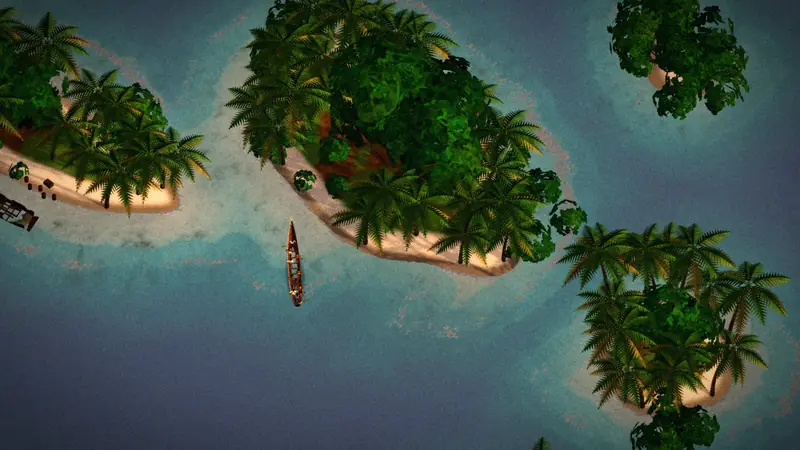
The long way round. Manuvu took the big canoe home. -
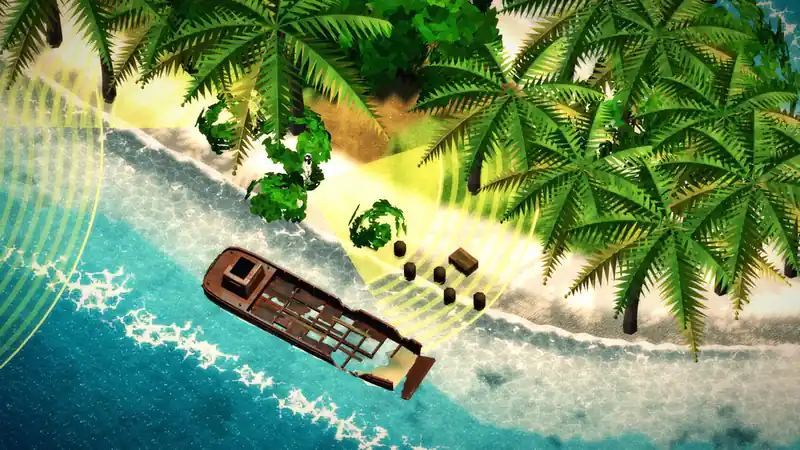
The wreck on Naru. Food, and two sailors. -
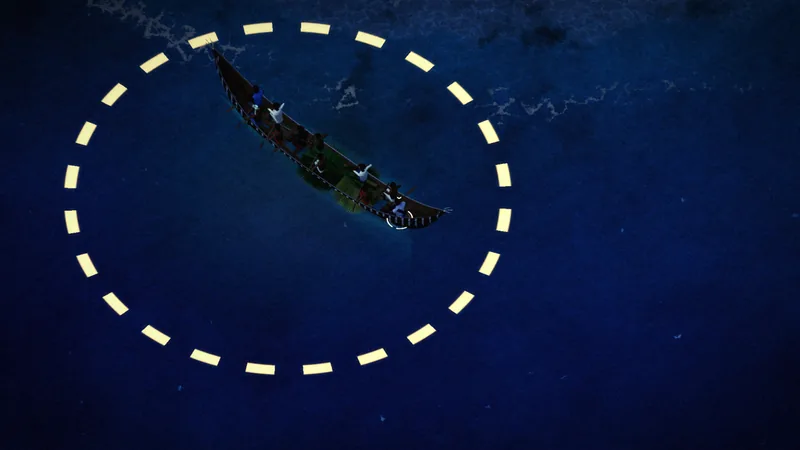
The ring. Too early, and anyone can see the lamp.
Saboteurs / Field operations The real story
The real rescue · 1 to 8 August 1943
PT-109
A patrol boat cut in two, eleven men on an island with no water, and two scouts in a dugout.
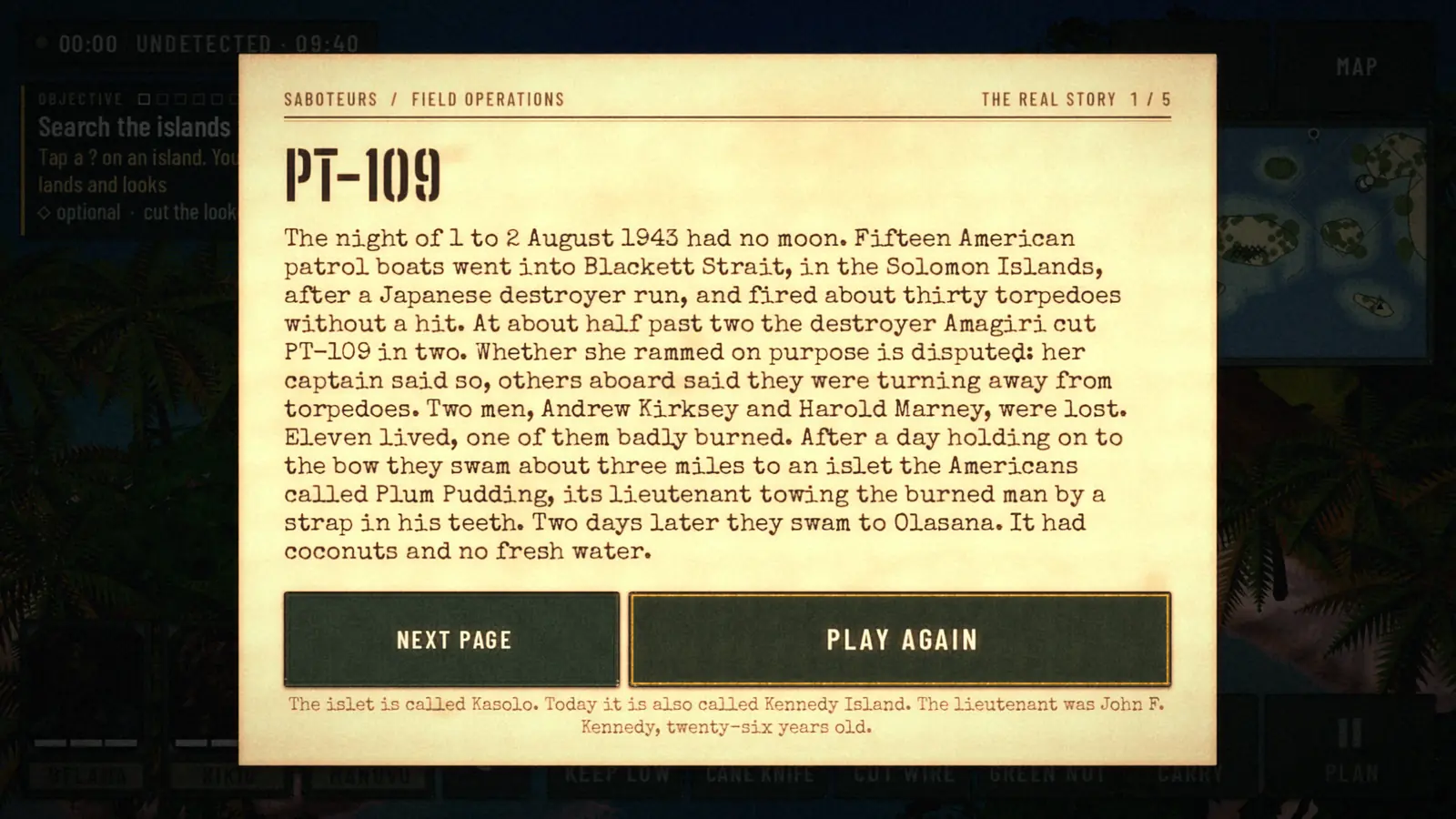
The night of 1 to 2 August 1943 had no moon. Fifteen American patrol boats went into Blackett Strait, in the Solomon Islands, after a Japanese destroyer run, and fired about thirty torpedoes without a hit. At about half past two the destroyer Amagiri cut PT-109 in two. Whether she rammed on purpose is disputed: her captain said so, others aboard said they were turning away from torpedoes. Two men, Andrew Kirksey and Harold Marney, were lost. Eleven lived, one of them badly burned. After a day holding on to the bow they swam about three miles to an islet the Americans called Plum Pudding, its lieutenant towing the burned man by a strap in his teeth. Two days later they swam to Olasana. It had coconuts and no fresh water.
The islet is called Kasolo. Today it is also called Kennedy Island. The lieutenant was John F. Kennedy, twenty-six years old.
We took liberties. Belama, Kikio and Manuvu are made up, and so is this day. Their names are Roviana birds: the frigatebird, the big kingfisher, the grey fish-hawk. The map is squeezed, the barge routes are the game's, and one floatplane stands for many.
-
The watchers
Arthur Reginald Evans, an Australian coastwatcher, had been up on Kolombangara since February with a radio and some ten thousand Japanese troops below him, and was moving his post across the strait to Gomu. That night he saw a fire on the water, or a searchlight on wreckage: the accounts differ. That morning he decoded a message: PT boat 109 lost in action, any information? Nobody expected survivors. Evans had five two-man teams of Solomon Islander scouts, and he sent them looking. Their canoes went through waters full of Japanese barges and under Japanese aircraft, and being caught could mean torture or death. Two of them were Biuku Gasa, of the Vonavona lagoon, and Eroni Kumana, of Ranongga. Both had been schooled by Seventh-day Adventist missionaries.
Gasa was about twenty. Kumana never knew his exact age.
-
The coconut
On 5 August Gasa and Kumana stopped at a Japanese wreck on Naru's reef, took a stranger on the beach for a Japanese, and fled to Olasana, where Leonard Thom, the boat's second in command, talked them round. The film of 1963 gives the idea of the coconut to Kennedy. Kumana told National Geographic in 2002 that Gasa suggested it and that he climbed the tree: a green coconut, a knife on the husk. NAURO ISL. COMMANDER. NATIVE KNOWS POS'IT. HE CAN PILOT. 11 ALIVE. NEED SMALL BOAT. KENNEDY. They took it and a pencil note of Thom's to Wana Wana, where the senior scout Benjamin Kevu sent word to Evans and gave them a better canoe. Then through the night, with John Kari, to the PT base at Rendova: about thirty-five miles.
Sources give the distance from 35 nautical miles to 38 statute.
-
Under the fronds
The next morning islanders reached Naru with food and a note from Evans: he strongly advised the senior officer to come back in the canoe. The National Archives' account says eight men. John Hersey's, in The New Yorker in 1944, has four, in what he calls a war canoe. They laid Kennedy in the bottom of it under sacking and palm fronds. Hersey has a flight of Japanese planes going over low, and the islanders waving and shouting. At Gomu, Kennedy refused to go on to Rendova. That night two PT boats, 157 and 171, came to meet him. The signal was four shots; his revolver held three, so he borrowed Evans's rifle, and its kick put him in the water. Before dawn on 8 August they were through the reef, and off Olasana, and the men came out by small boat. By half past five everyone was at Rendova.
Thom's note had asked for three dashes by night: Roger, and Wilco. The lamp in this game comes from there. The shots are what happened.
-
After
Kennedy kept the coconut, mounted on wood, on his desk in the Oval Office. It is in his library in Boston now. In January 1961 he invited the scouts to his inauguration. They never got there, and it is told more than one way. Time says they were duped at Honiara, others being sent in their place. Kumana said a clerk told them they could not go because they could not speak English. Radio New Zealand has a British colonial officer judging their English not good enough. Gasa wrote to the president afterwards. He fished and farmed at Kauvi and died in 2005. Kumana lived at Konqu on Ranongga, wore a hat that said I rescued JFK, and in 2008 sent his family's old clam-shell valuable to Kennedy's grave. He died on 2 August 2014, aged 93 or 96. In 2023 Caroline Kennedy, as ambassador, met their children, and said her father owed his life to their courage.
In memory of the Solomon Islander scouts who worked with the
coastwatchers, whose names were not in the papers.
Read about PT-109
Saboteurs · In beta on iPhone, Android and the web
Bring them home
Saboteurs is in beta on iPhone, Android and the web. Olasana is the twelfth operation, in the app.
- iPhone Now in beta
- Android Now in beta
- Web Now in beta