
Field operations · File 09
New operation
Phono
Paris · a night in the summer of 1943
Three messages for London, one wireless set, and a ring on the map that closes every second she is on the air.
The briefing
Three messages. One night.
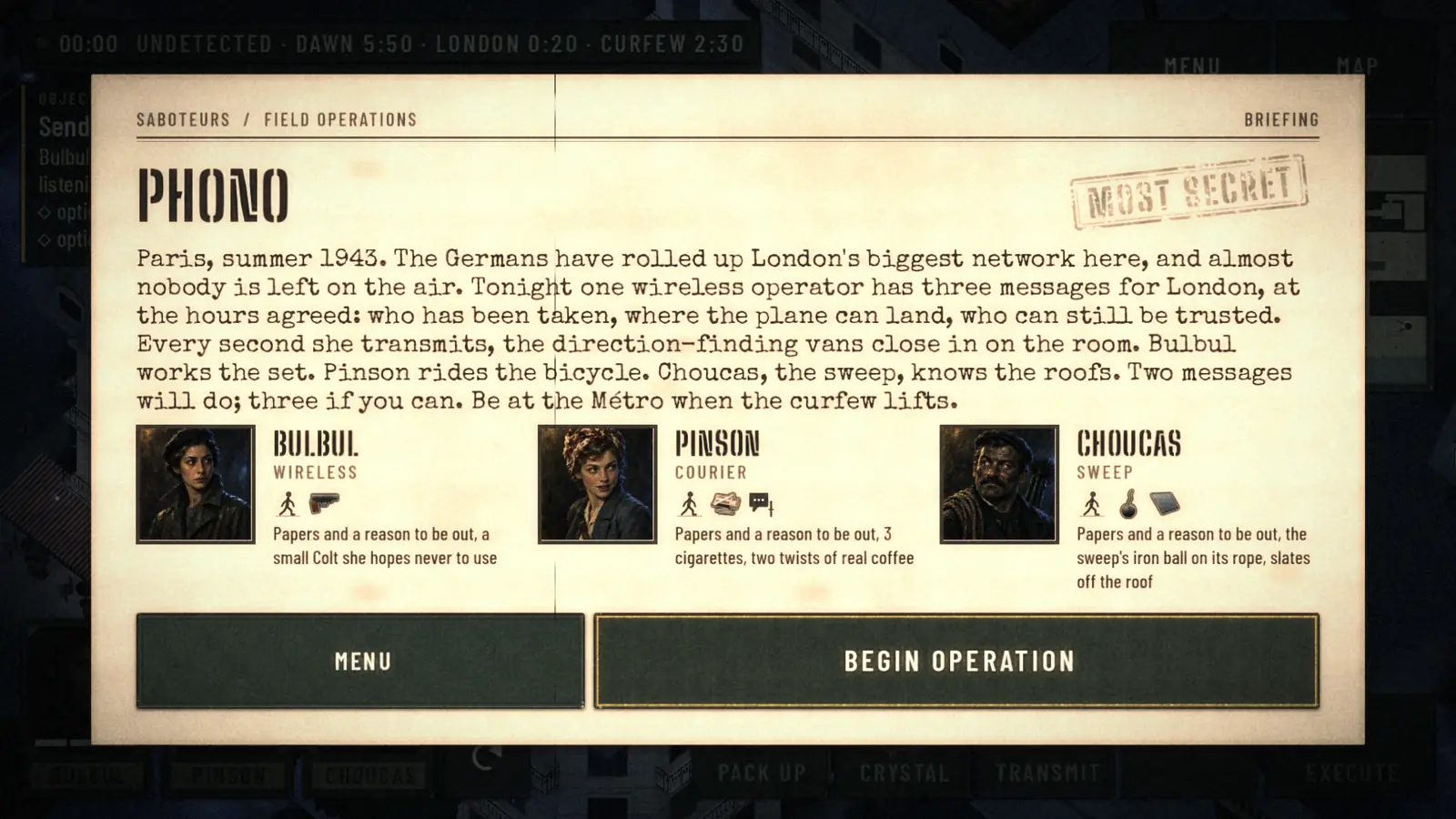
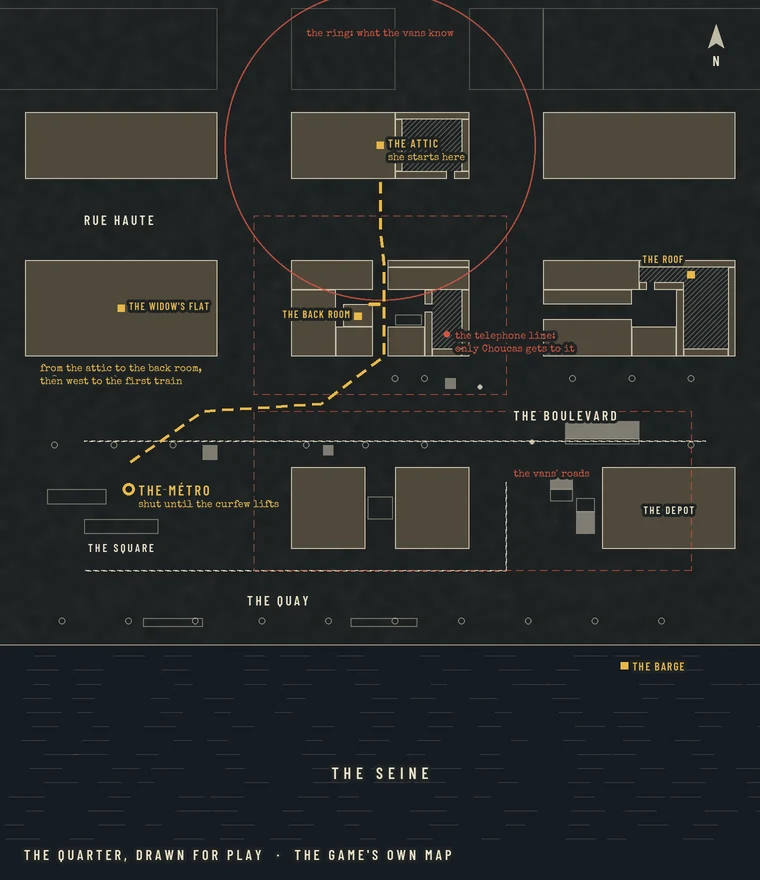
Paris, summer 1943. The Germans have rolled up London's biggest network here, and almost nobody is left on the air. Tonight one wireless operator has three messages for London, at the hours agreed: who has been taken, where the plane can land, who can still be trusted. Every second she transmits, the direction-finding vans close in on the room. Bulbul works the set. Pinson rides the bicycle. Choucas, the sweep, knows the roofs. Two messages will do; three if you can. Be at the Métro when the curfew lifts.
- Send two of the three messages Only Bulbul works the set. London listens for a minute at each of the three hours agreed, and she needs a room with the aerial up.
- Send all three Optional The third is the longest, and by then the curfew has begun.
- Cut the telephone line Optional Only Choucas gets to it, over the roof of the courtyard block. Then nobody in the quarter can telephone a thing.
- To the Métro at first light All three of them, once the curfew lifts at 4:40 and before full day at 5:50.
Lose any of the three, or the set, and it is over. The ninth operation.
The squad
A wireless, a bicycle and the roofs.
-
Bulbul
New
Wireless
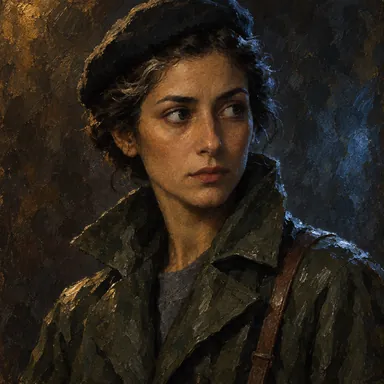
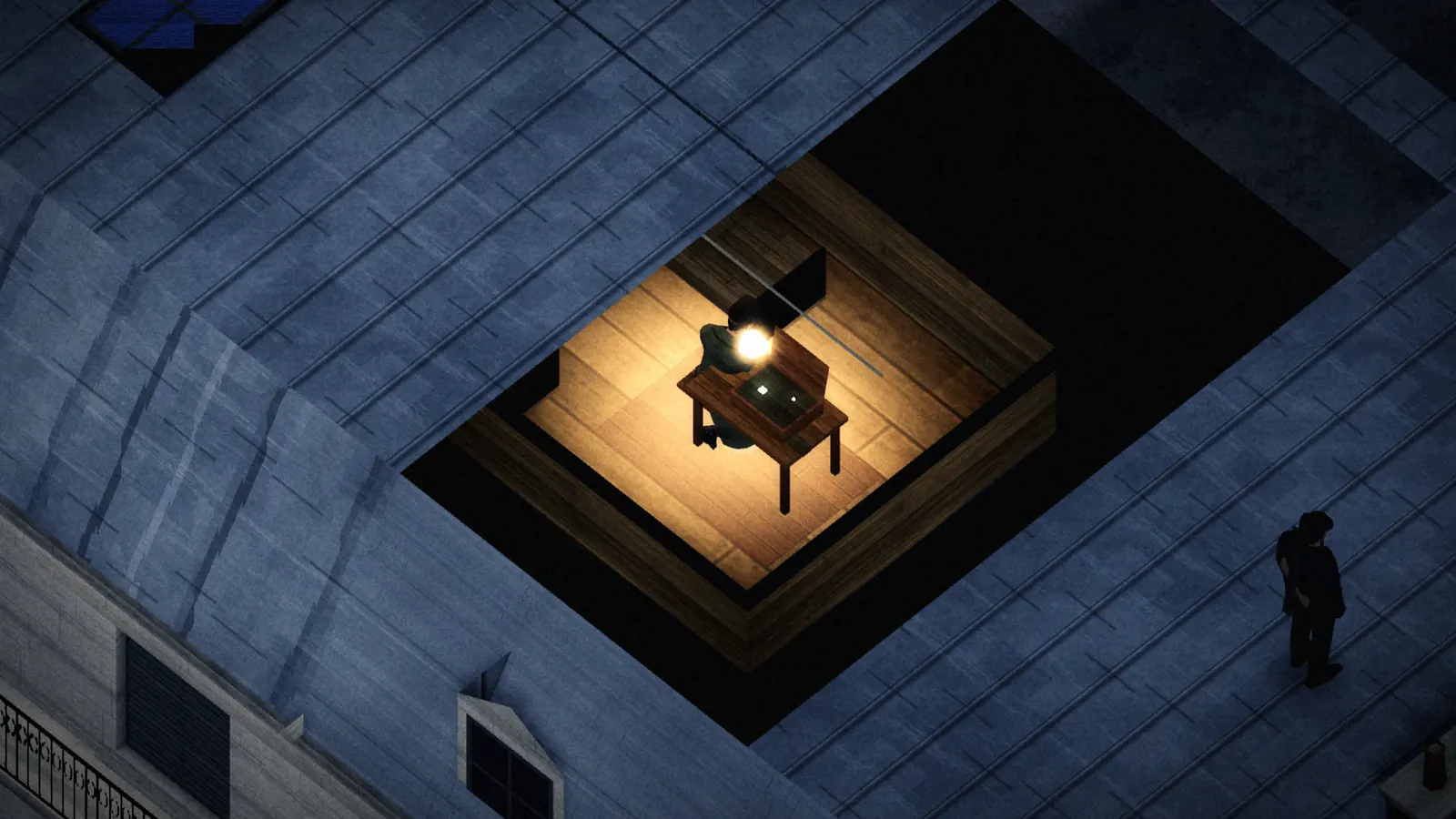
New to the squad, and only she can work the set, a suitcase of about 15 kg that slows whoever carries it. She strings the aerial in a room, six seconds, and goes on the air when London is listening. Two spare crystals change her frequency, and the Germans have to start again. Her Colt is small, and loud.
Kit the set, its aerial, two spare crystals, a small Colt she hopes never to use, papers and a reason to be out
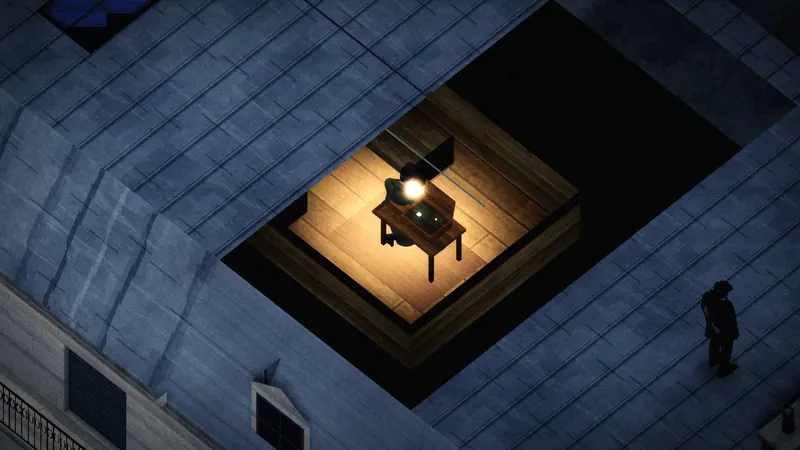
The attic. On the air, under one lamp. -

Pinson
New
Courier
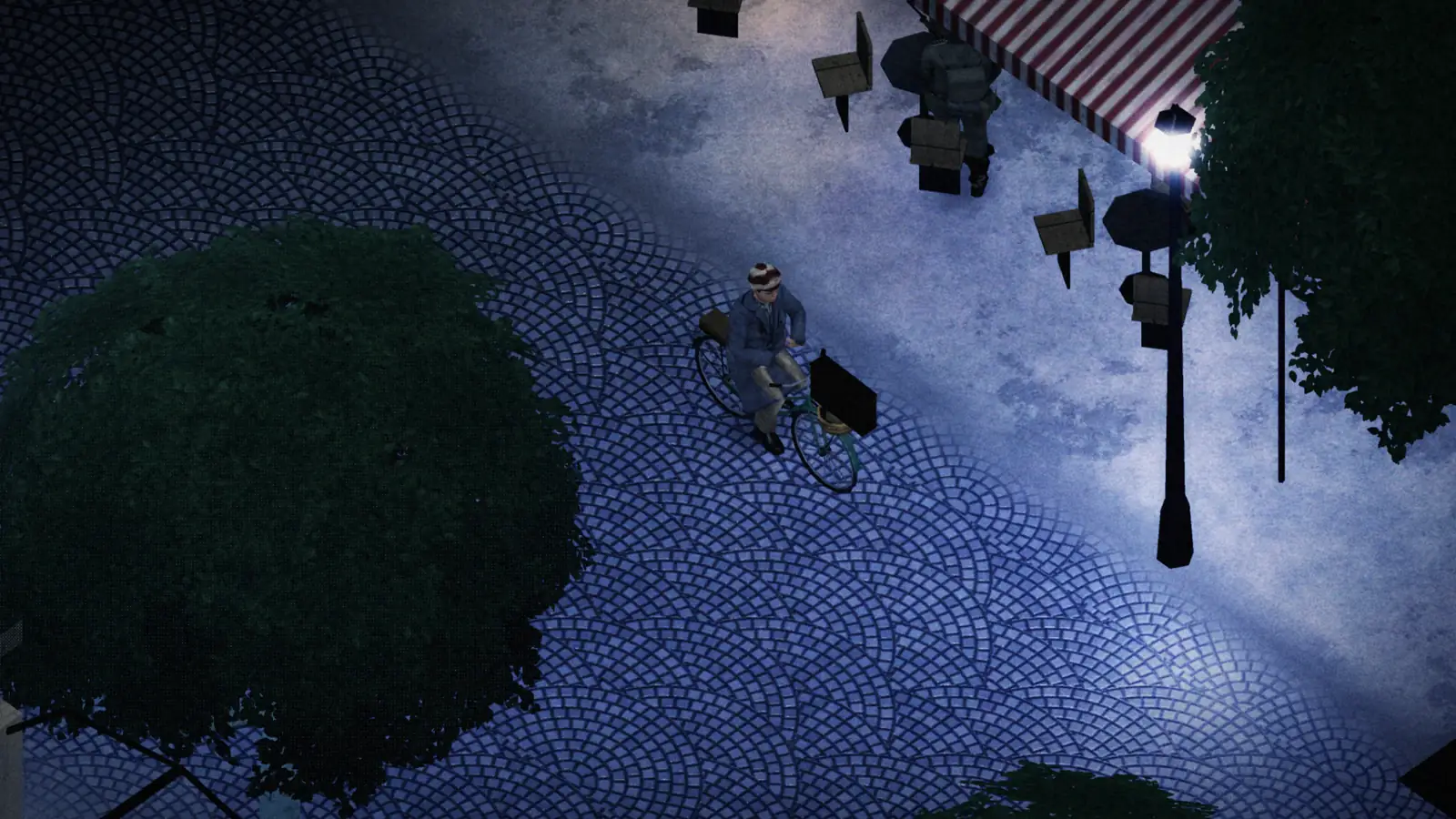
Nineteen, a seamstress's apprentice, new to the squad. Upright on the street she rides, faster than anyone can run, and the case can go in her basket. Asked for a light, a guard stops and sees only her; a twist of real coffee keeps a concierge indoors for the night. She carries no weapon.
Kit a bicycle with a basket, cheek and three cigarettes, two twists of real coffee, papers and a reason to be out
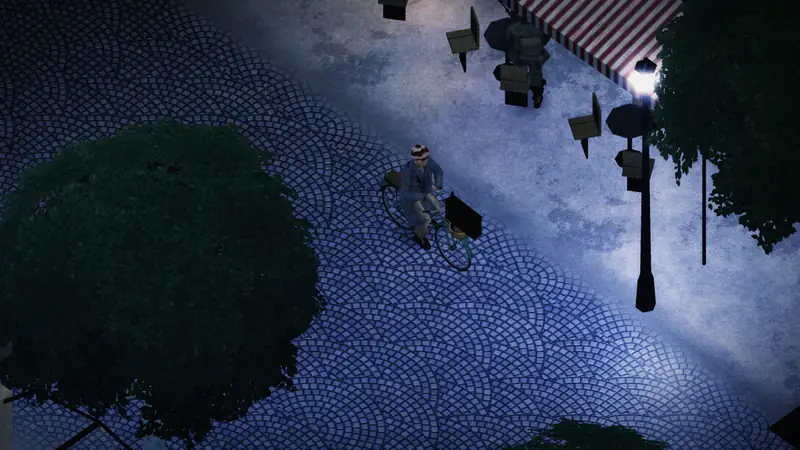
The bicycle. The case goes faster in her basket. -
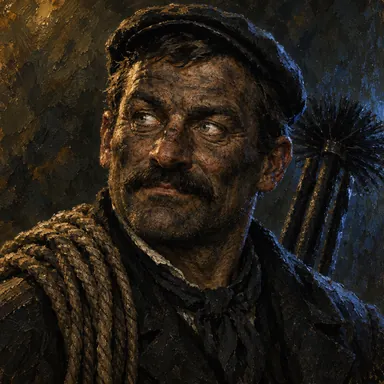
Choucas
New
Sweep
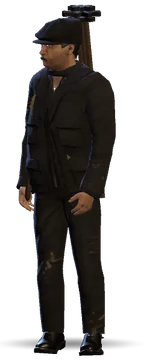
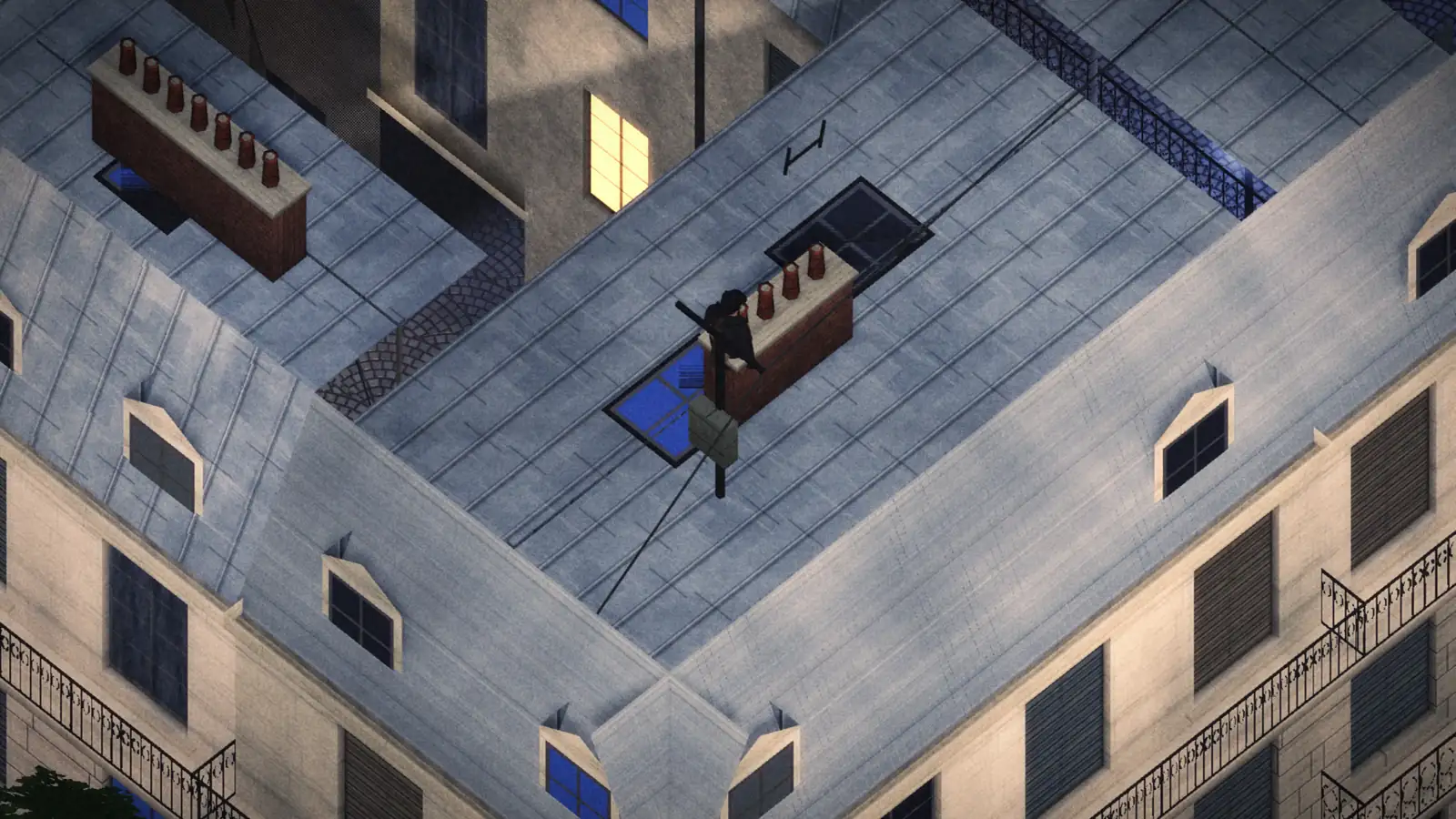
A man of forty-five from Savoy, new to the squad. Only he goes up the ladders and over the roofs. From up there he drops slates to draw the patrols, cuts the telephone line, and opens the hatch that lets Bulbul work from the east block's roof. In the street he pulls the lead on a van while it stands, and with one van down the bearings cannot cross.
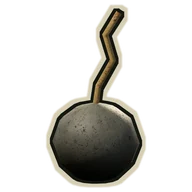
Kit the sweep's iron ball on its rope, slates off the roof, papers and a reason to be out
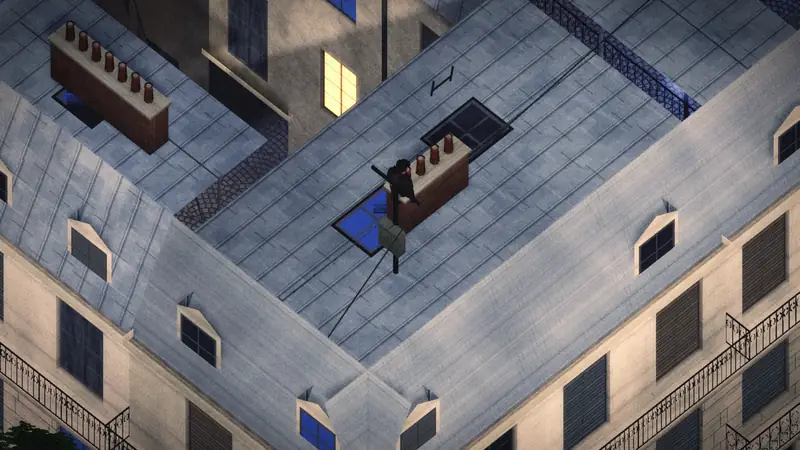
The roofs. The slates still know his boots.
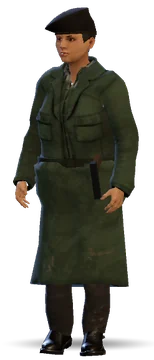







The other side
Who's on watch
Most have a cone you can see and a beat you can learn. Not the men in hats.
-
Feldgendarme
They patrol in twos on the boulevard and the quay, and a post at the crossing looks under the vélo-taxi's hood. At the curfew two more turn out.
-
Watcher
A passer-by with a newspaper, until you come within six metres in clear sight. A man who sees the case does not shout: he follows it, and telephones.
-
Concierge
She sees the case or a stranger on her stairs and goes in to her telephone. Nobody here will hurt her: she has children to feed. A twist of real coffee keeps her indoors for the night.
-
SD man
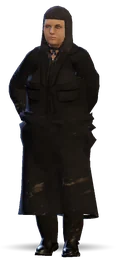
Two men in raincoats in the black car. When the vans have the house they go in and up the stairs, and whoever is upstairs is caught. Papers mean nothing to them.



Out in the dark
The machines
Built in the game after the real thing.
-
Direction-finding van
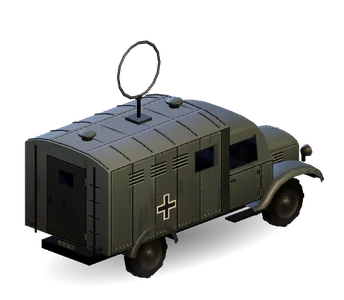
An Opel Blitz with a closed box body and a loop aerial turning on its roof. Two of them drive to the ring, and the nearer they come the faster it closes. With one stopped, the bearings cannot cross.
-
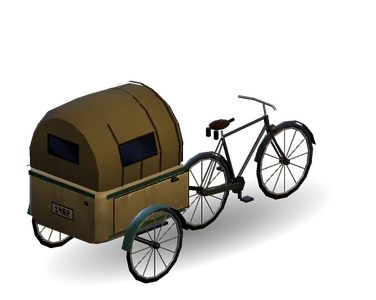
Vélo-taxi
Paris's taxi for want of petrol: a bicycle towing a light cab with a canvas hood. One can ride hidden in it along the boulevard, if the post at the crossing is looking the other way.
-
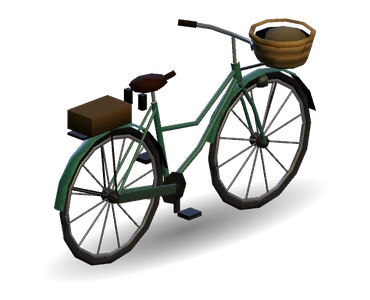
Pinson's bicycle
A woman's frame and a wicker basket on the front. The set goes in the basket, under a hat box.
From above
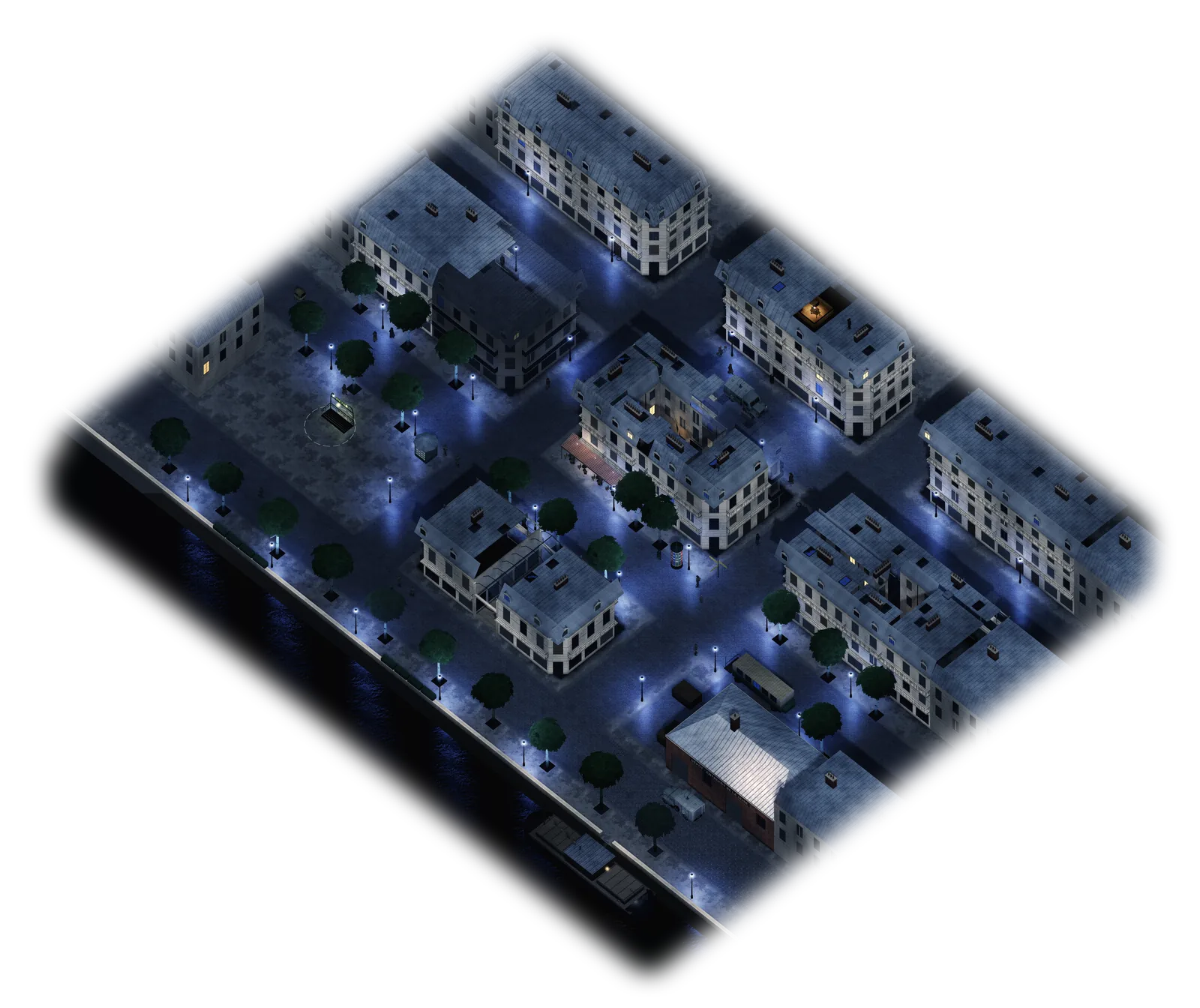
The whole ground
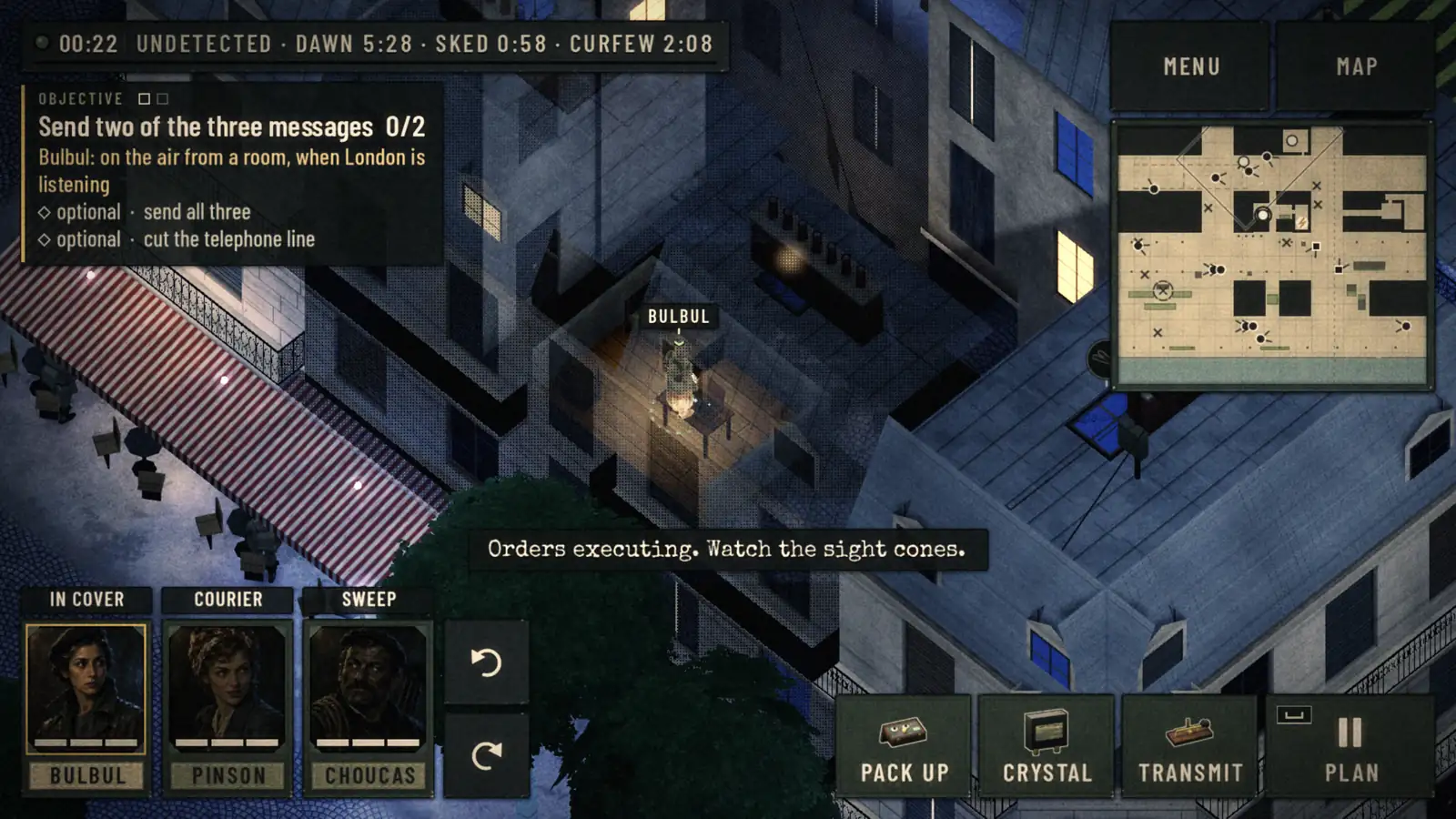
All of it at once, as the game draws it on the night: the squad at their start, the guards on their rounds. Drag it about, and zoom in on anything.
New in this operation
Four new tricks
-
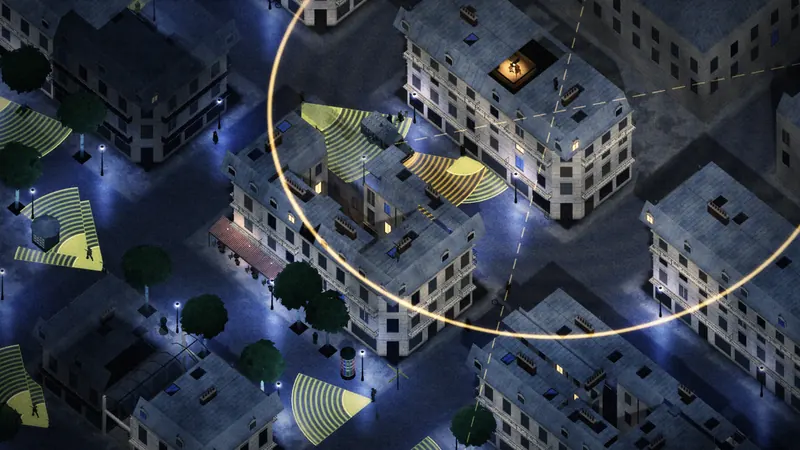
The ring
Every second on the air adds heat. A ring on the map shows what the Germans know, and it closes on her, faster for each van close by. When it closes they have the house. Off the air it eases slowly; a fresh crystal makes them start again.
-
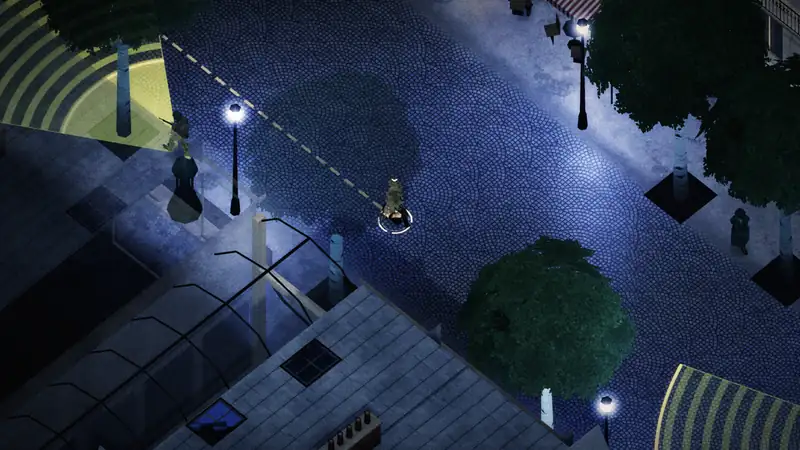
The case
The set is a suitcase, and it shows. Papers and a reason to be out carry anyone past a patrol until the curfew, but not within five metres with the case. Hand it to Pinson, and it goes by in her basket.
-
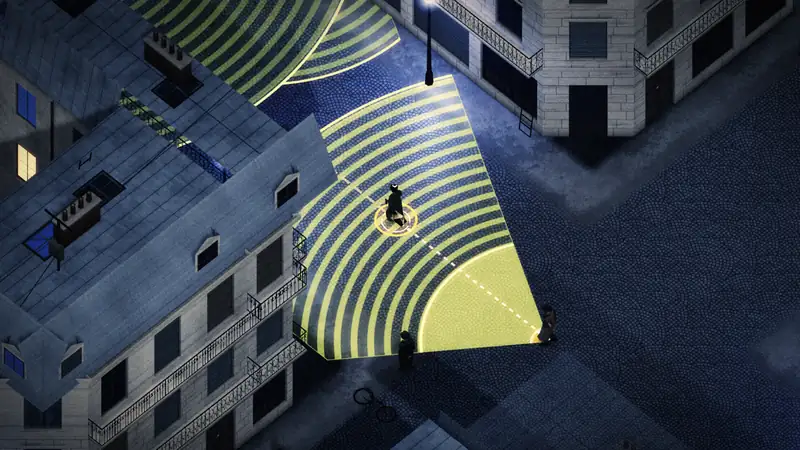
The watchers
Some passers-by are not. Close to, you can tell them apart. One who sees the case follows it, and if he stays with it he telephones, and the ring jumps to him. Lose him, or have Pinson ask him for a light.
-
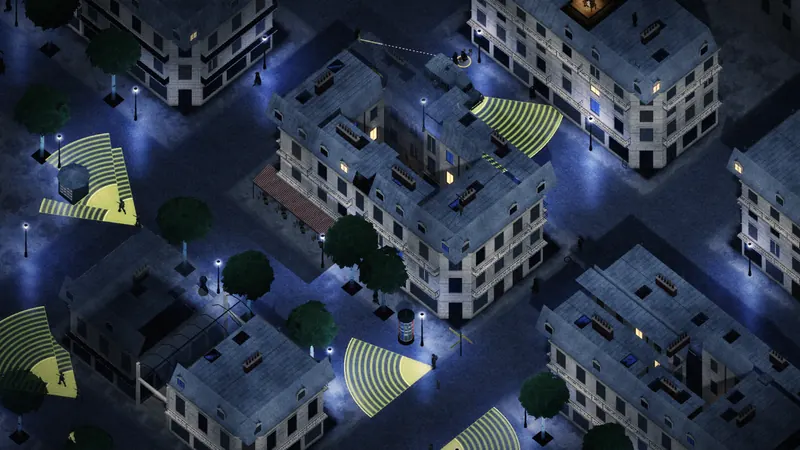
The curfew
At 2:30 a bell goes, the café shuts and the street goes home. From then on papers are no use outside the courtyards and the roofs, and two more patrols turn out. At 4:40 it lifts, and the Métro opens.
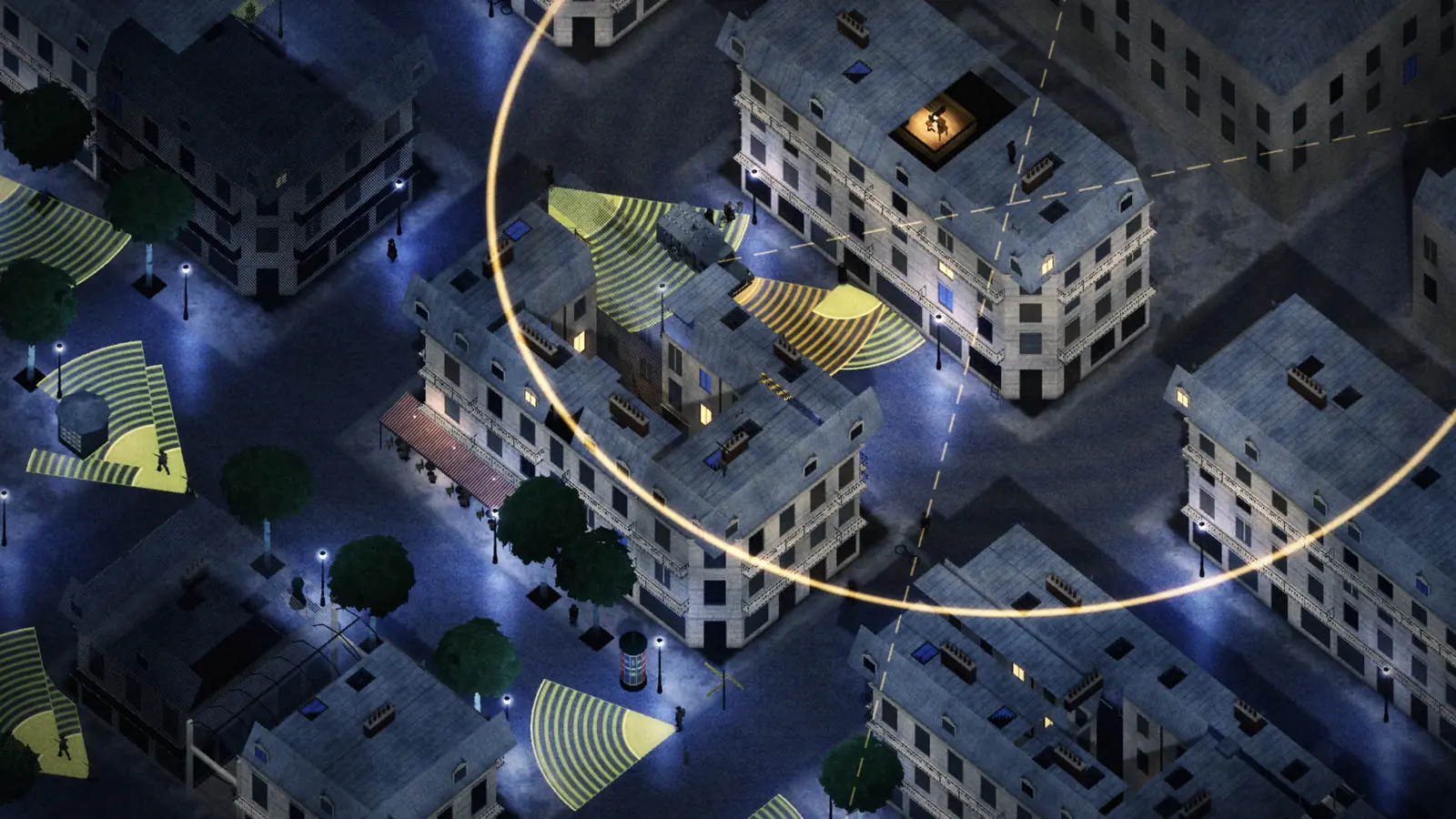
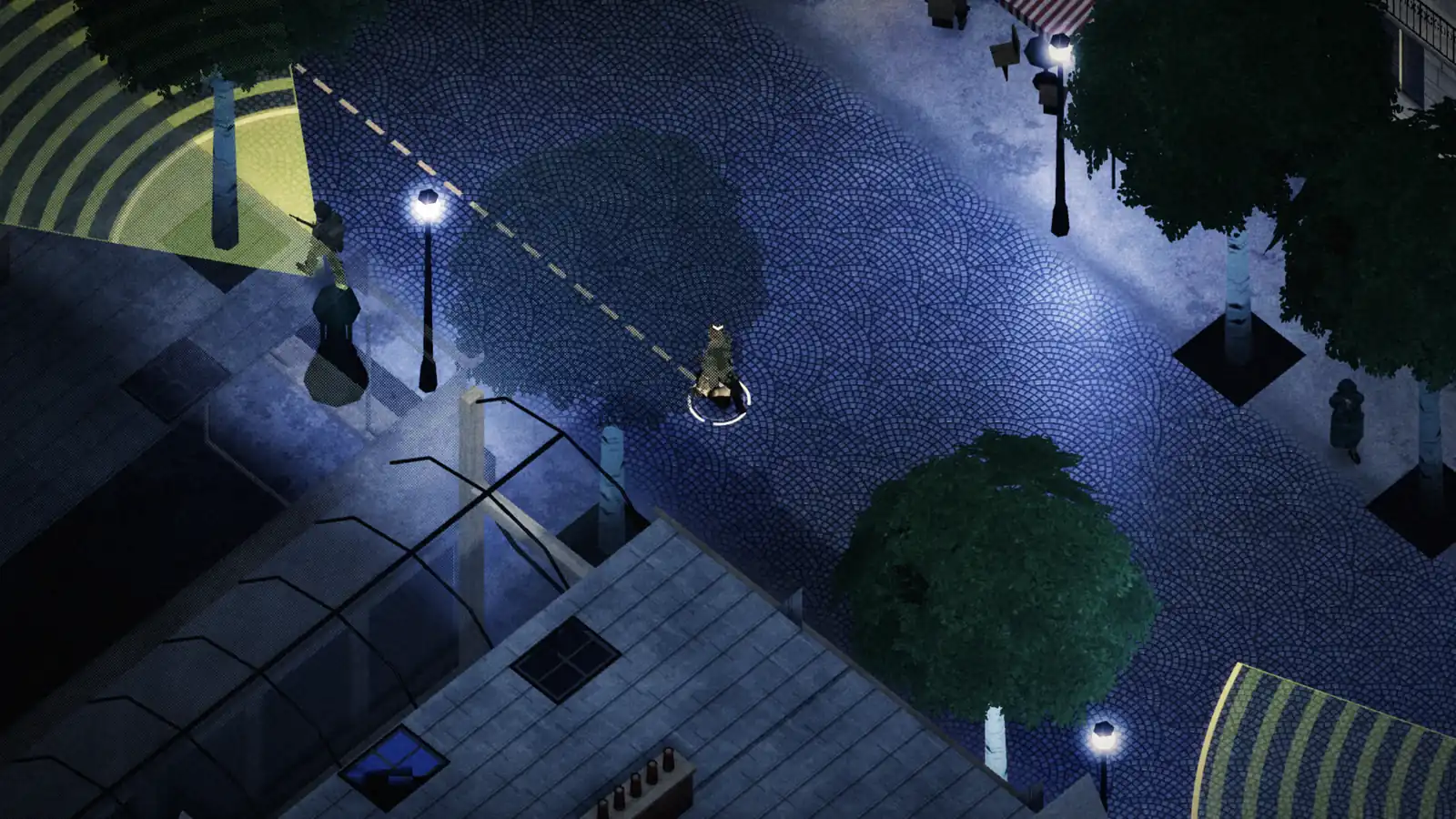
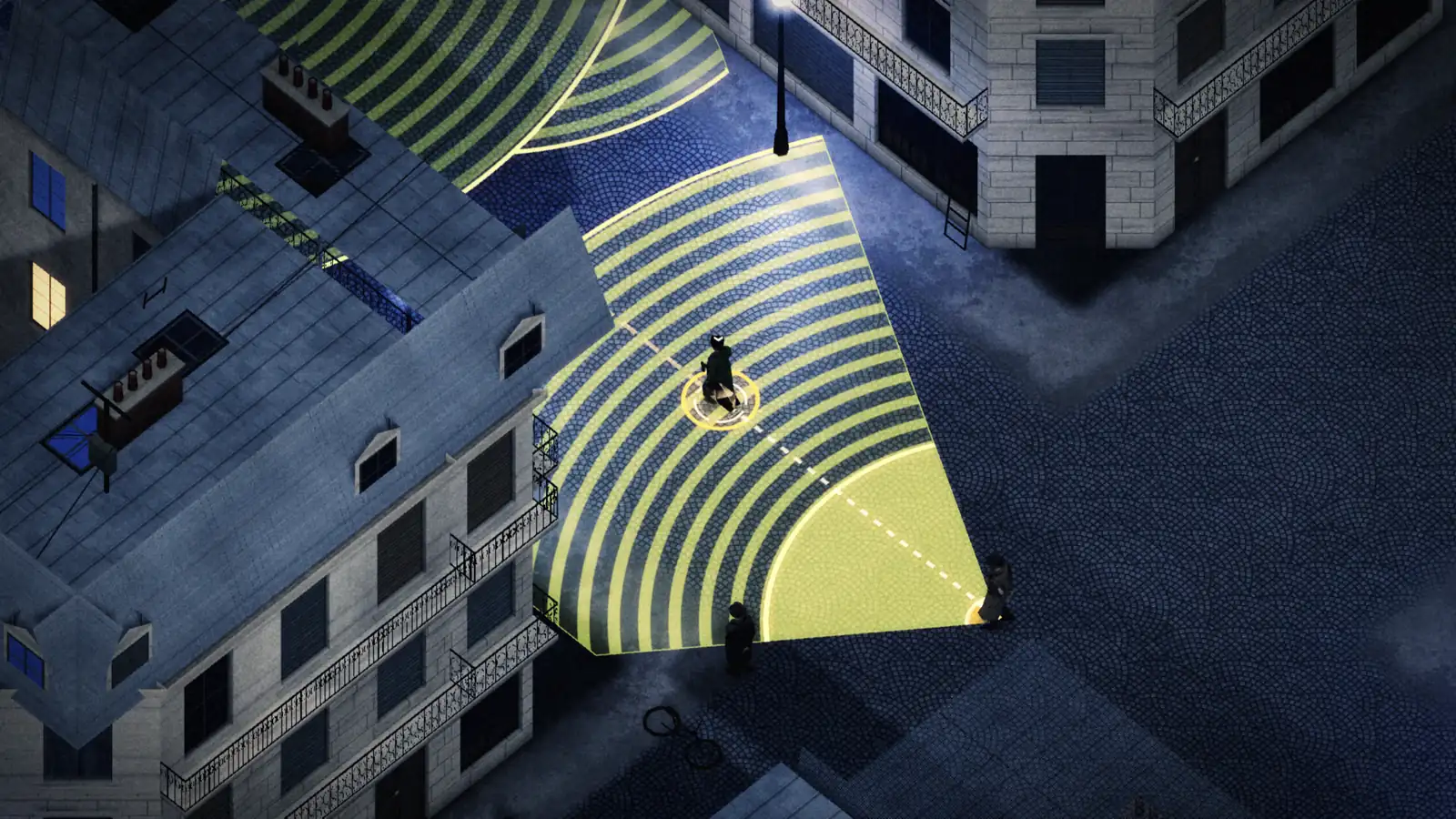
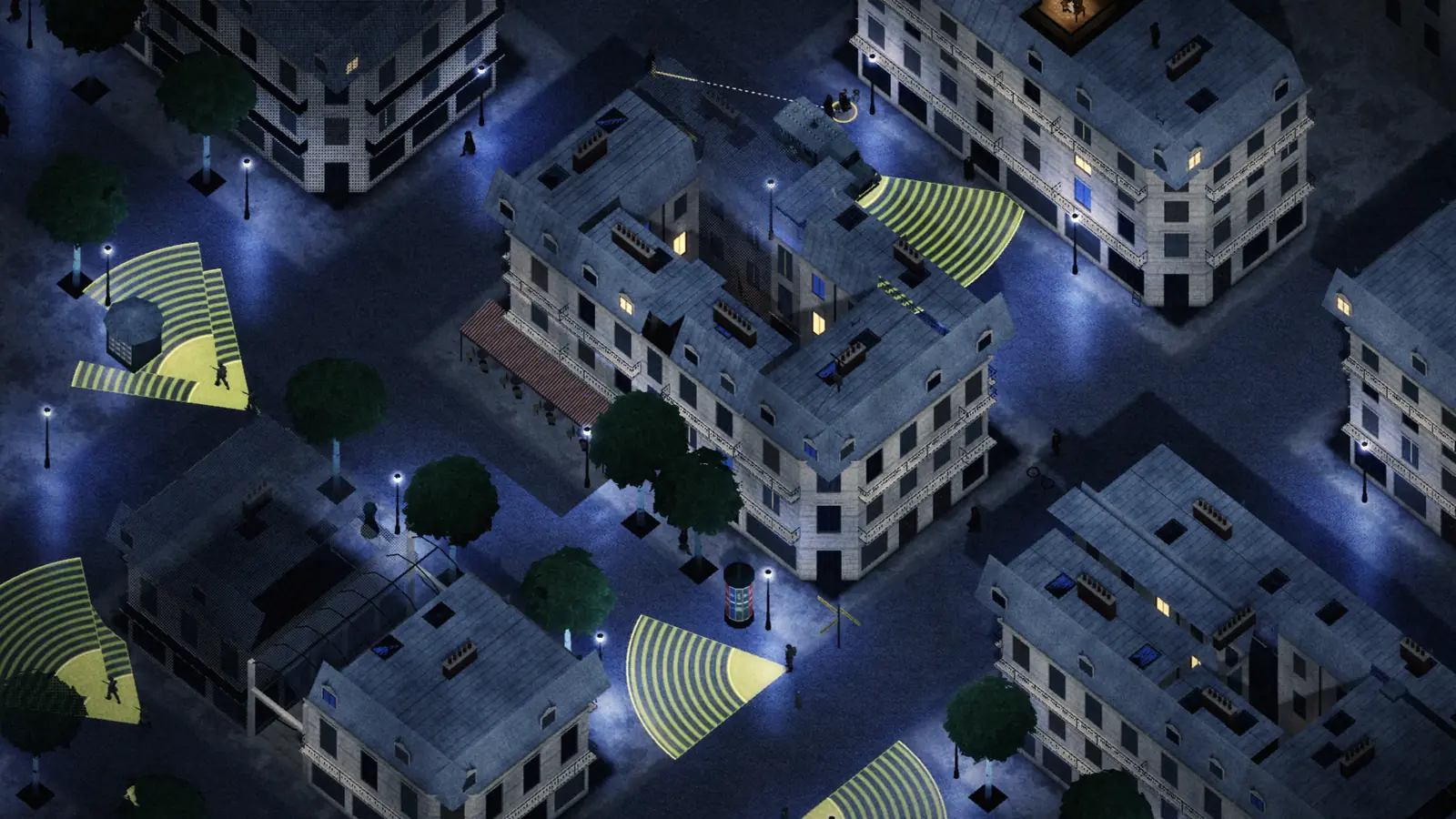
From the street
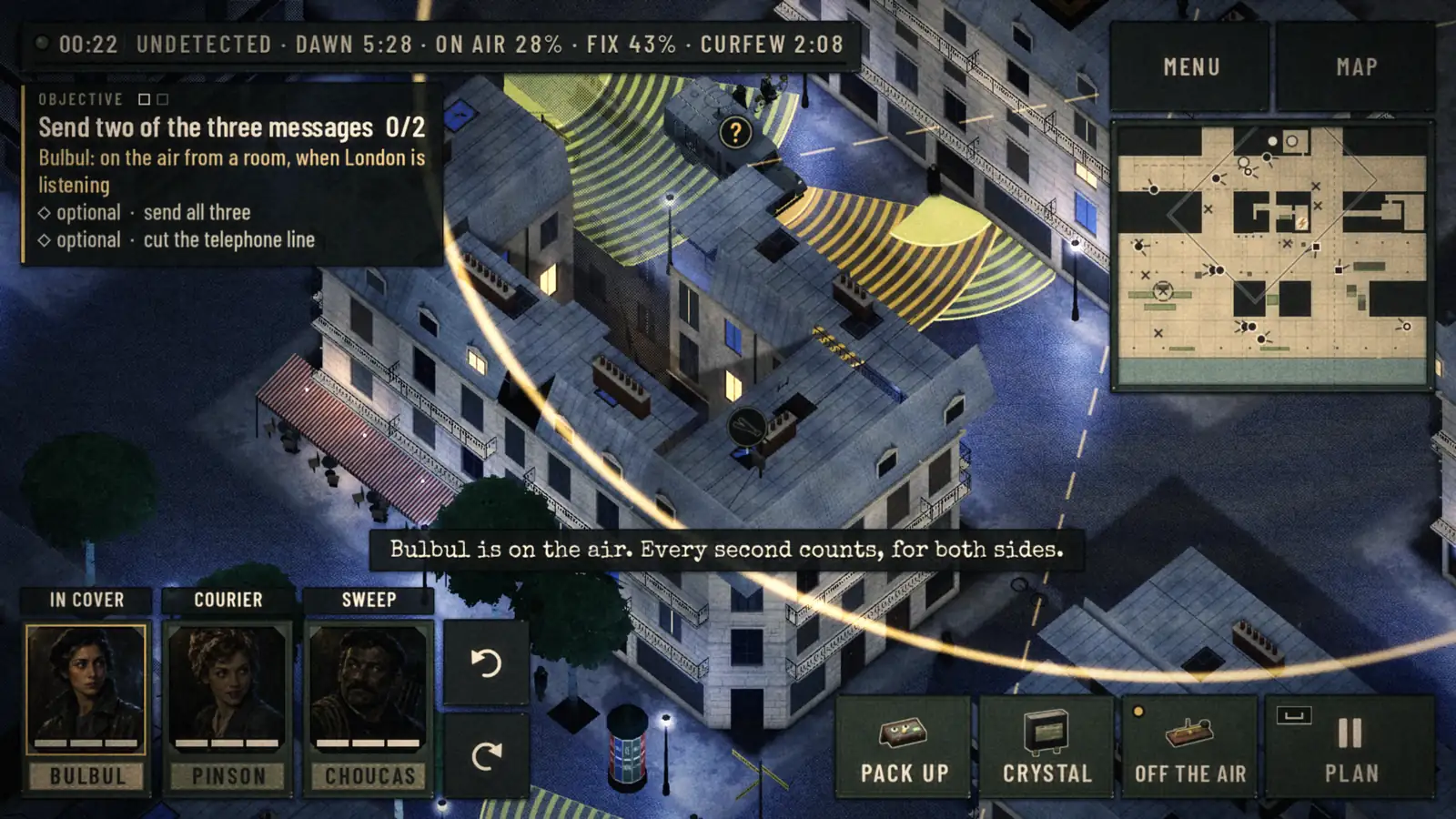

4:40
The first train
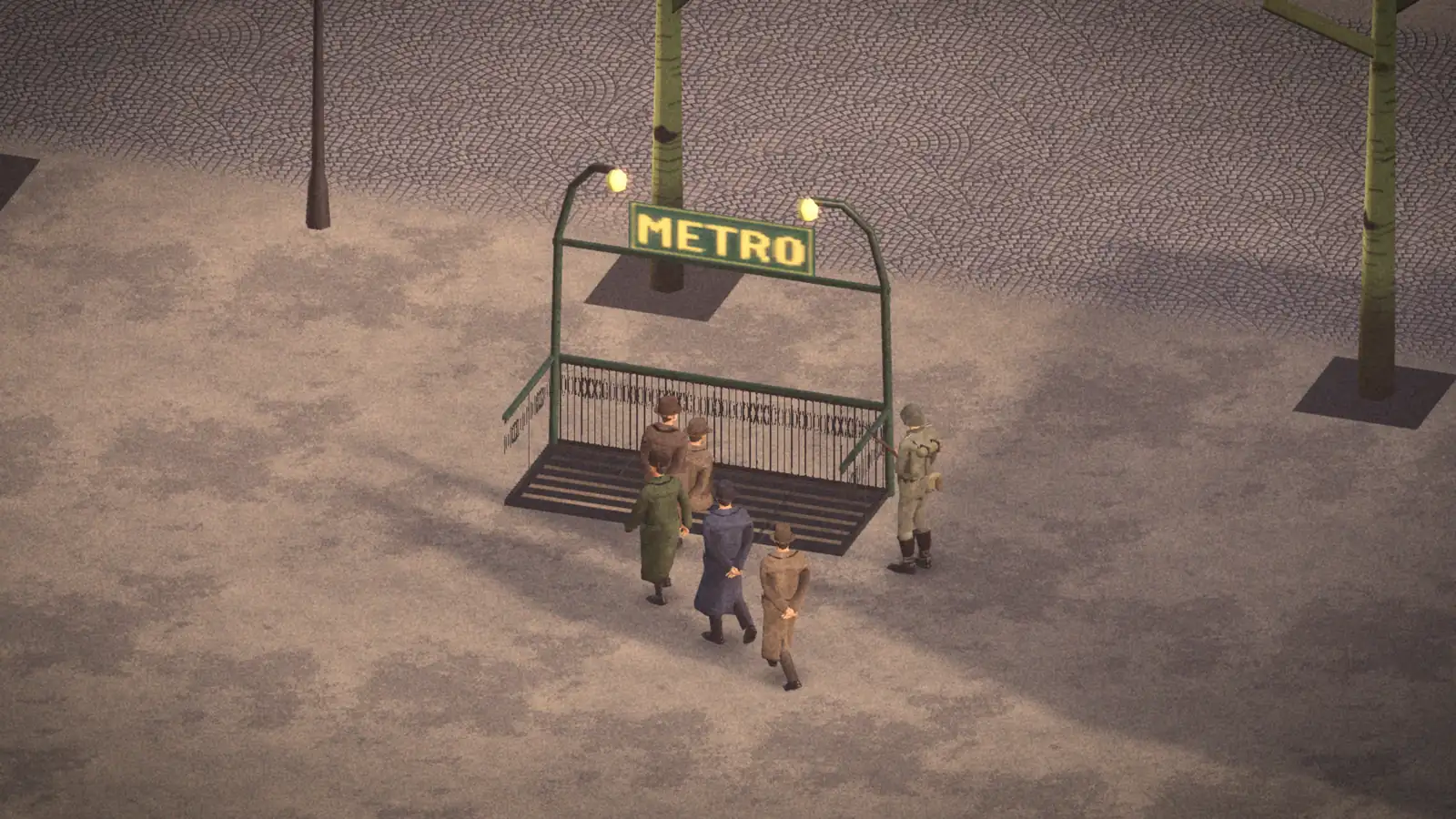
At 4:30 the sky greys over the roofs, and every eye sees further. At 4:40 the curfew lifts, the first train comes in and the Métro opens. At 5:50 it is full day, and the street is full of them. The first train took her east with the workers, and the set went on ahead under a hat box. In London they read all three messages before breakfast.
-
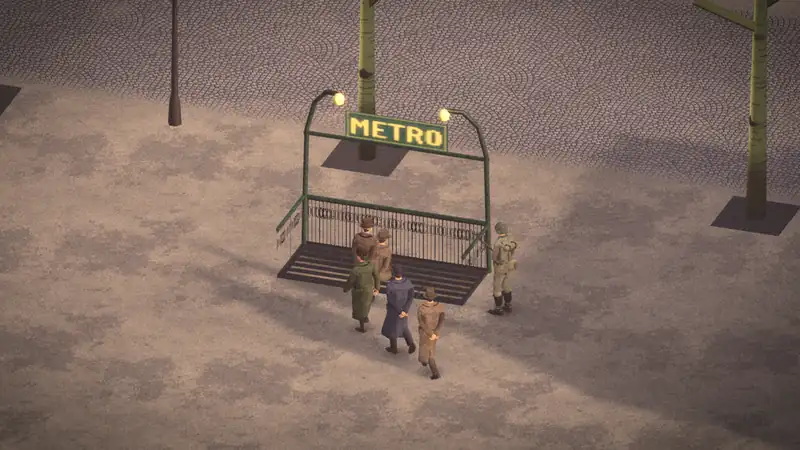
The Métro. The curfew is over, and it is open. -
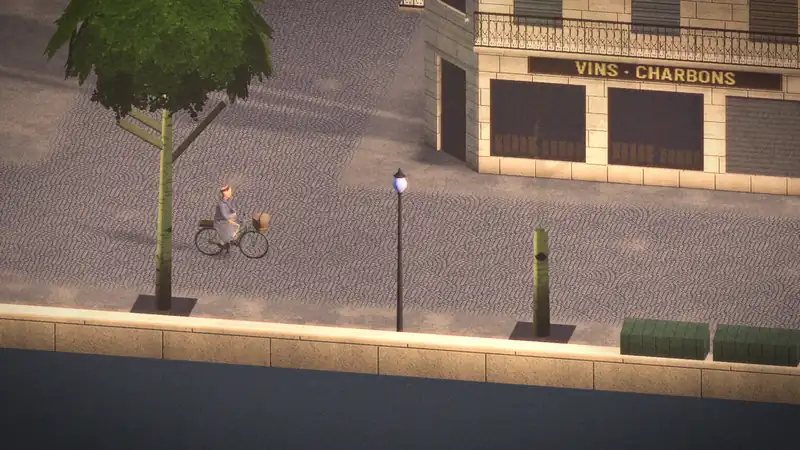
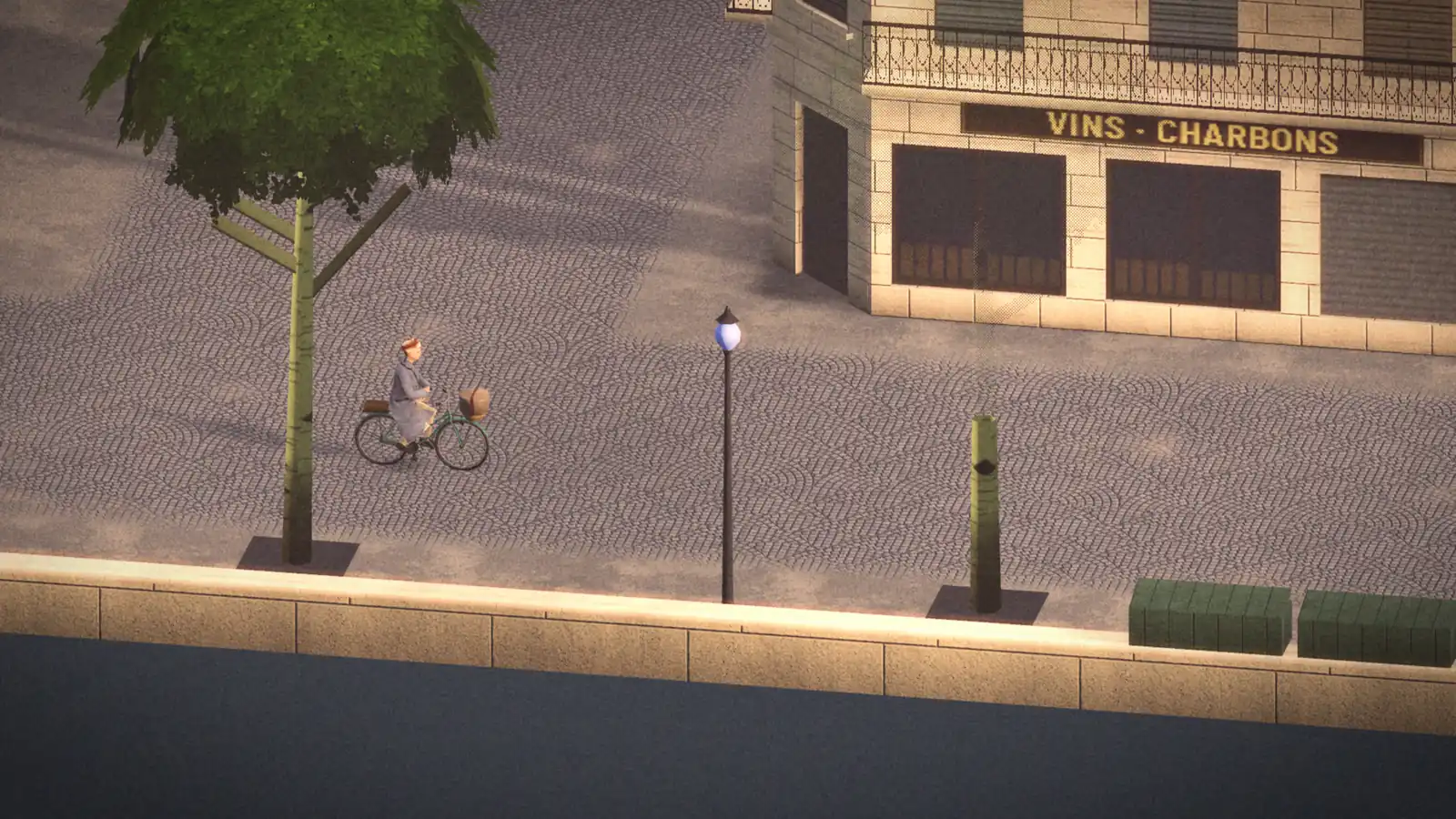
The quay. The set goes on ahead, under a hat box. -

The barge. Quick to reach only from the quay.

Saboteurs / Field operations The real story
The real wireless operator · 1914 to 1944
The Musician's Daughter
A musician's daughter from Suresnes, a suitcase of about 15 kg, and the summer of 1943 in Paris.
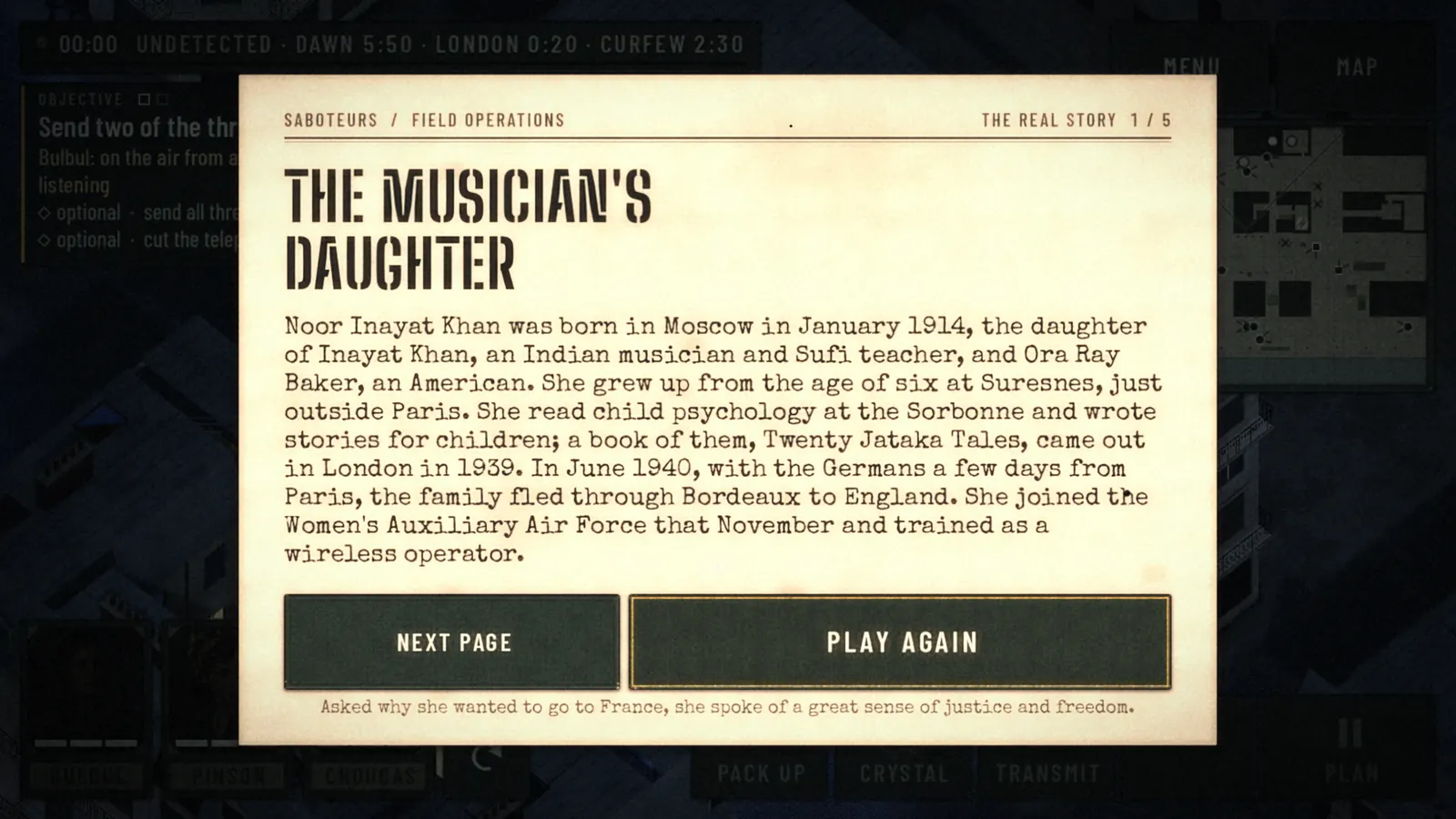
Noor Inayat Khan was born in Moscow in January 1914, the daughter of Inayat Khan, an Indian musician and Sufi teacher, and Ora Ray Baker, an American. She grew up from the age of six at Suresnes, just outside Paris. She read child psychology at the Sorbonne and wrote stories for children; a book of them, Twenty Jataka Tales, came out in London in 1939. In June 1940, with the Germans a few days from Paris, the family fled through Bordeaux to England. She joined the Women's Auxiliary Air Force that November and trained as a wireless operator.
Asked why she wanted to go to France, she spoke of a great sense of justice and freedom.
We took liberties. Bulbul, Pinson, Choucas and this night are made up, as are the streets, which are the game's. They stand for her, and for the couriers, the concierges who kept quiet and the people who gave a room to a stranger with a suitcase.
-
Madeleine
The Special Operations Executive's French section took her on in early 1943, short of wireless operators, though some of her instructors doubted her. On the night of 16 to 17 June she was flown to a field in the Loire country by Lysander, code name Madeleine, one of the first women sent to France to work a set. She was to serve a circuit called Phono, first called Cinema. Within days of her arrival the Germans began rolling up Prosper, London's biggest network in France, and most of the people she had come to work with were taken. London offered to bring her home. She stayed, and through the summer she was the main link between what was left in Paris and London.
Her George Cross citation calls hers "the principal and most dangerous post in France".
-
The vans
Her set, the Type 3 Mark II or B2, was a suitcase of about 15 kg with an aerial wire some 18 m long, strung in an attic or passed off as a washing line. The longer an operator stayed on the air, the easier she was to find: Germany's fixed stations took a rough bearing within minutes, and vans drove to the area. Then men on foot finished it, with a set worn under the coat, or hidden in a toolbox, a cardboard box or a violin case, and a look-out watching for aerials. In 1943 an operator's life expectancy is usually given as six weeks. She moved from flat to flat and changed her look. A story told in several versions has two German officers on the Métro asking what was in her case: a film projector, she said, and opened it a little.
Paris lived under a curfew by the occupier's order, its street lamps painted blue and its windows shuttered.
-
The roof
She lasted about three and a half months. Around 13 October 1943 she was arrested at a flat in rue de la Faisanderie. Who betrayed her is disputed: most accounts name Renée Garry, the sister of her organiser, said to have been paid 100,000 francs and acquitted after the war by a single vote; others point to Henri Déricourt. She fought the man who arrested her. At SD headquarters, 84 avenue Foch, she got out through a bathroom window on to the roof within hours of arriving, and was caught. The Germans found her notebooks of messages and used her set to deceive London for months. On 25 November she tried again, with John Starr and Léon Faye, over the roof at night; an air raid alert brought a check of the cells, and they were taken nearby.
She refused to sign a promise not to escape, and was sent to Germany as a Nacht und Nebel prisoner, to vanish without trace.
-
Liberté
At Pforzheim she was held alone, in chains, for about ten months. The SD's chief in Paris said after the war that she had told them nothing; others say she let small things slip. On 11 or 12 September 1944 she was moved to Dachau with three other women of SOE, Yolande Beekman, Eliane Plewman and Madeleine Damerment. All four were shot there on the morning of the 13th. Her last word is reported as "Liberté", on the word of a second-hand witness. She was thirty. Britain gave her the George Cross in 1949, France the Croix de Guerre; a bust of her has stood in Gordon Square in London since 2012.
Of the thirty-nine women SOE's French section sent to France, thirteen did not come back.
In memory of Noor Inayat Khan, of the women of SOE's French
section who did not come back, and of the people who gave a room
to a stranger.
Read about Noor Inayat Khan
Saboteurs · In beta on iPhone, Android and the web
Get it to London
Saboteurs is in beta on iPhone, Android and the web. Phono is the ninth operation, in the app.
- iPhone Now in beta
- Android Now in beta
- Web Now in beta