
Field operations · File 10
New operation
Los Baños
Luzon · the morning of 23 February 1945
Smoke at 06:58, the gate at seven, and over two thousand people who can barely walk, with the trucks on the way.
The briefing
One minute. Two thousand people.
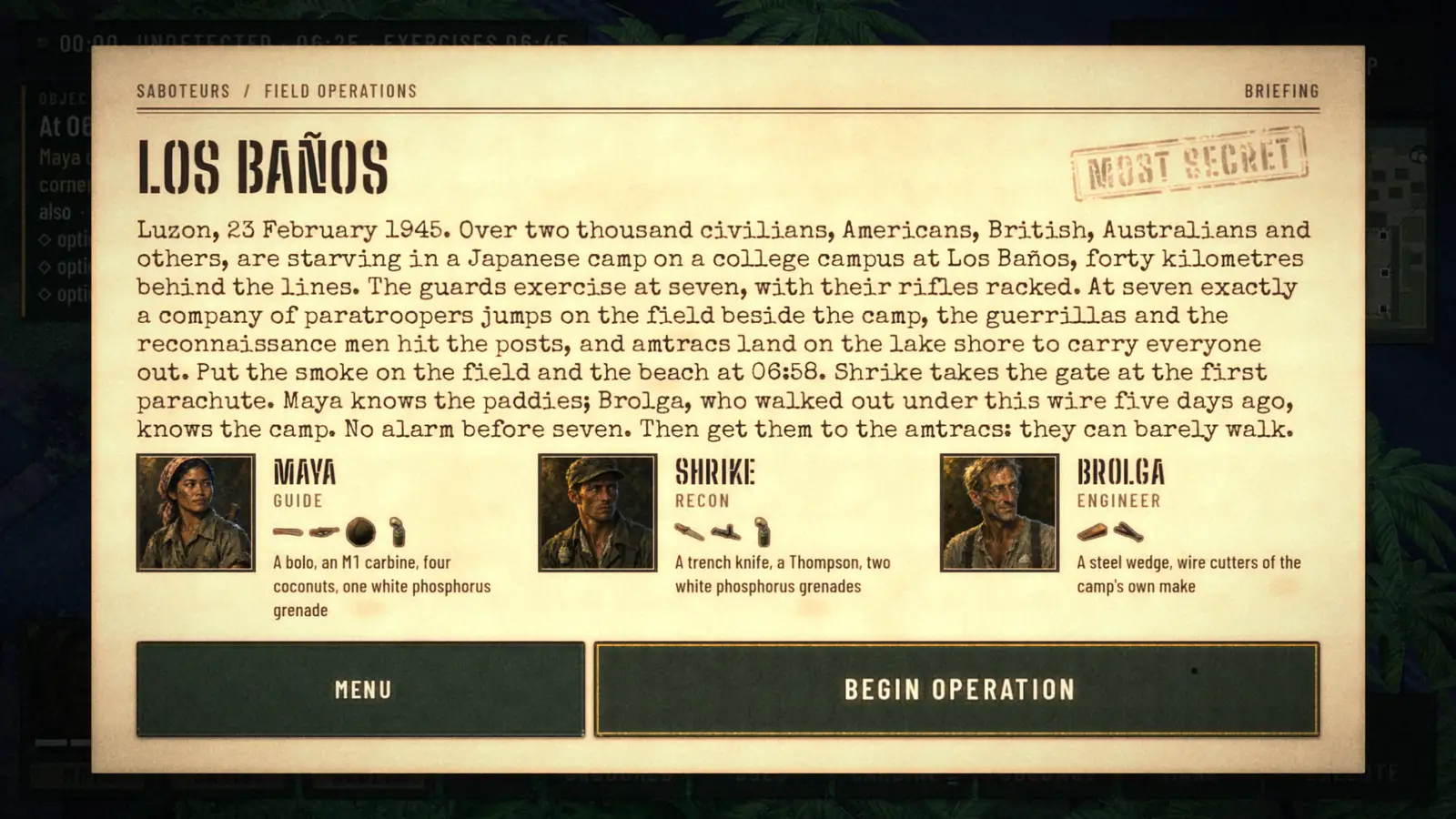
Luzon, 23 February 1945. Over two thousand civilians, Americans, British, Australians and others, are starving in a Japanese camp on a college campus at Los Baños, forty kilometres behind the lines. The guards exercise at seven, with their rifles racked. At seven exactly a company of paratroopers jumps on the field beside the camp, the guerrillas and the reconnaissance men hit the posts, and amtracs land on the lake shore to carry everyone out. Put the smoke on the field and the beach at 06:58. Shrike takes the gate at the first parachute. Maya knows the paddies; Brolga, who walked out under this wire five days ago, knows the camp. No alarm before seven. Then get them to the amtracs: they can barely walk.
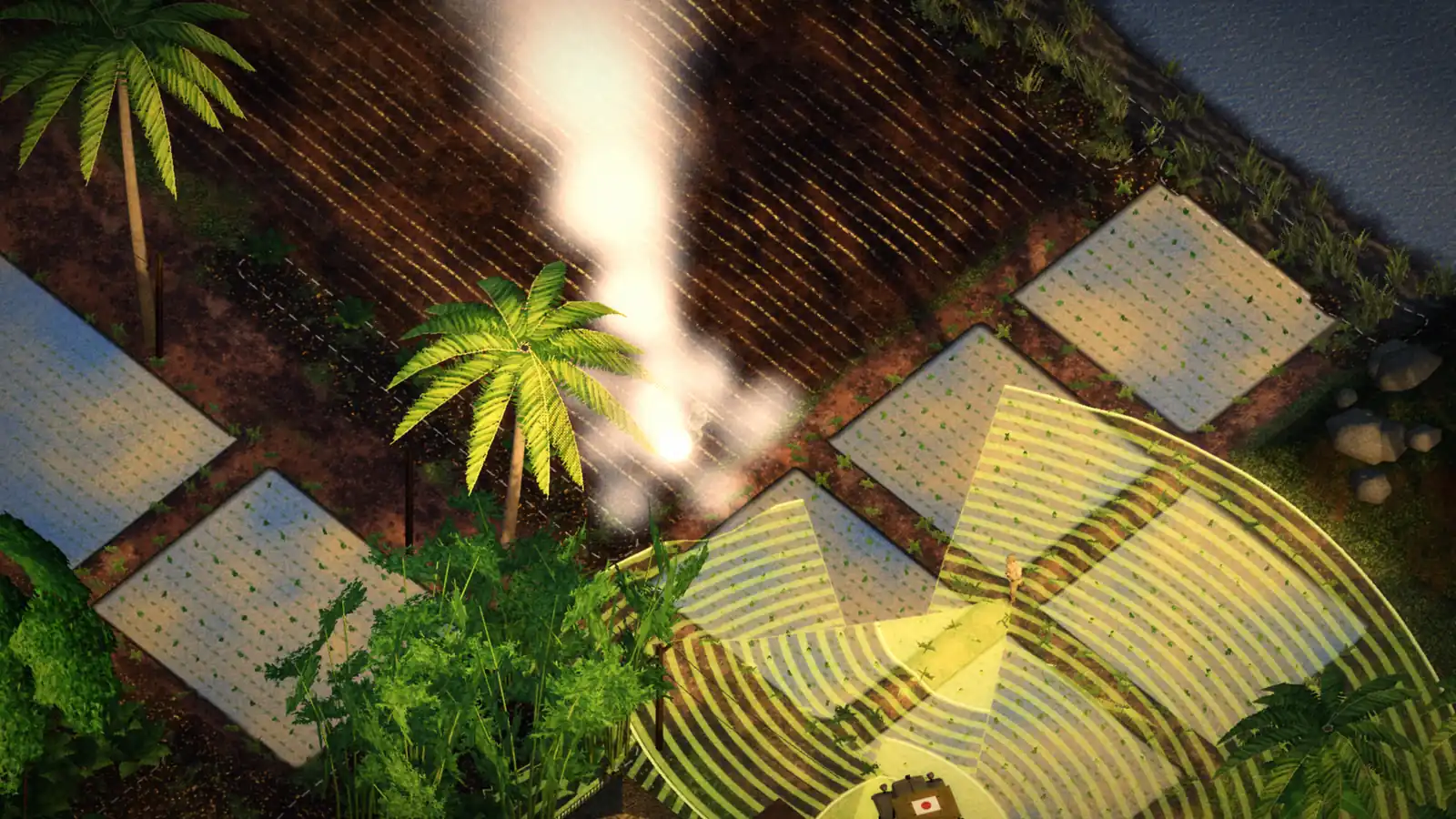
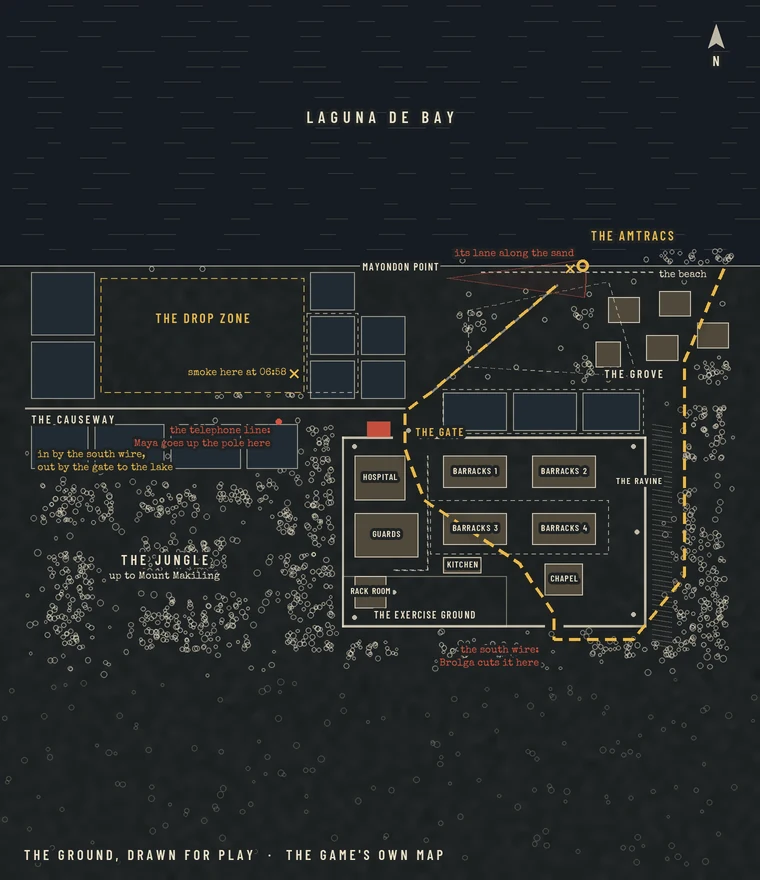
- At 06:58, smoke on the field and the beach Shrike at the stake on the drop zone, Maya at the one on the beach. Too soon brings a patrol to look; none at all, and the sticks come down wide and the amtracs land late.
- At 07:00, take the gate Shrike's rocket at the first parachute. Left to the paratroopers, the pillbox costs time.
- Lead three barracks to the amtracs They can barely walk, and they cannot wade. They follow Brolga at once.
- All three aboard the last amtrac It goes at the end of the morning, and whoever is not aboard is left.
- Bring out every barracks Optional The hospital too.
- Cut the telephone line Optional Only Maya goes up the pole on the causeway. The trucks come later.
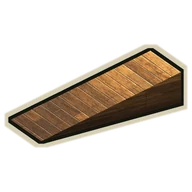
- Jam the rack room's door Optional Only Brolga, from the back, with a steel wedge. Then the guards do not reach their rifles.
They are three among many: the raid goes on without you, only worse. The tenth operation.
The squad
A guide, a sergeant, an engineer.
-
Maya
New
Guide
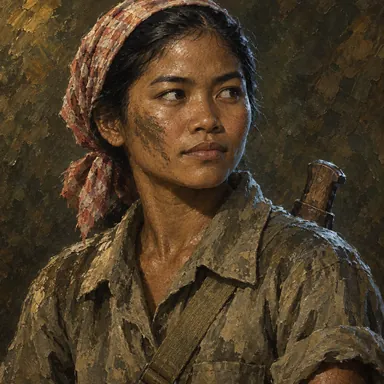
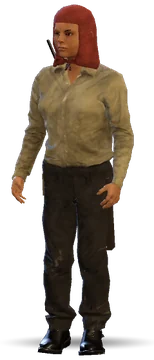
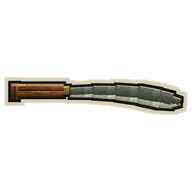
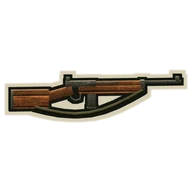
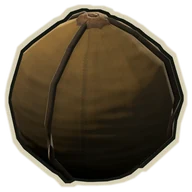
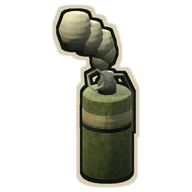
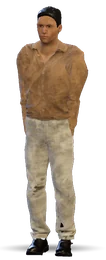
Twenty-four, a student at the college before the war, now of the guerrillas, new to the squad. She wades the paddies at a walk, without a splash. Only she goes up a pole to cut the telephone line. A coconut thrown lands with a thud that a hungry guard walks over to look at. She can lead five of the people at a time, once she has talked them round.
Kit a bolo, an M1 carbine, four coconuts, one white phosphorus grenade
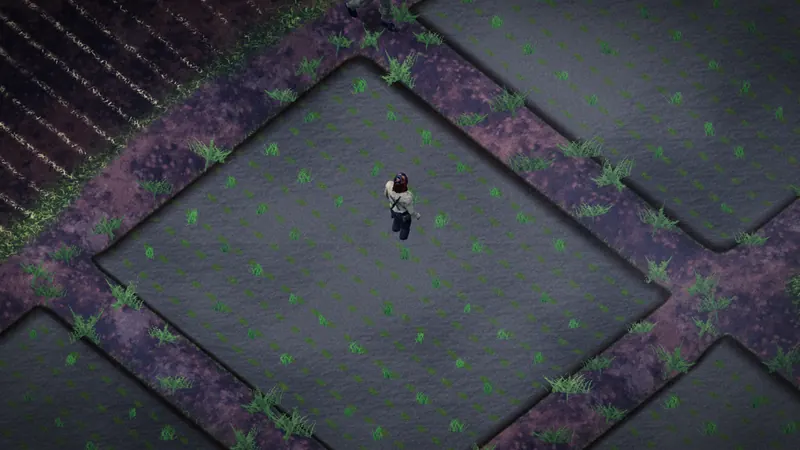
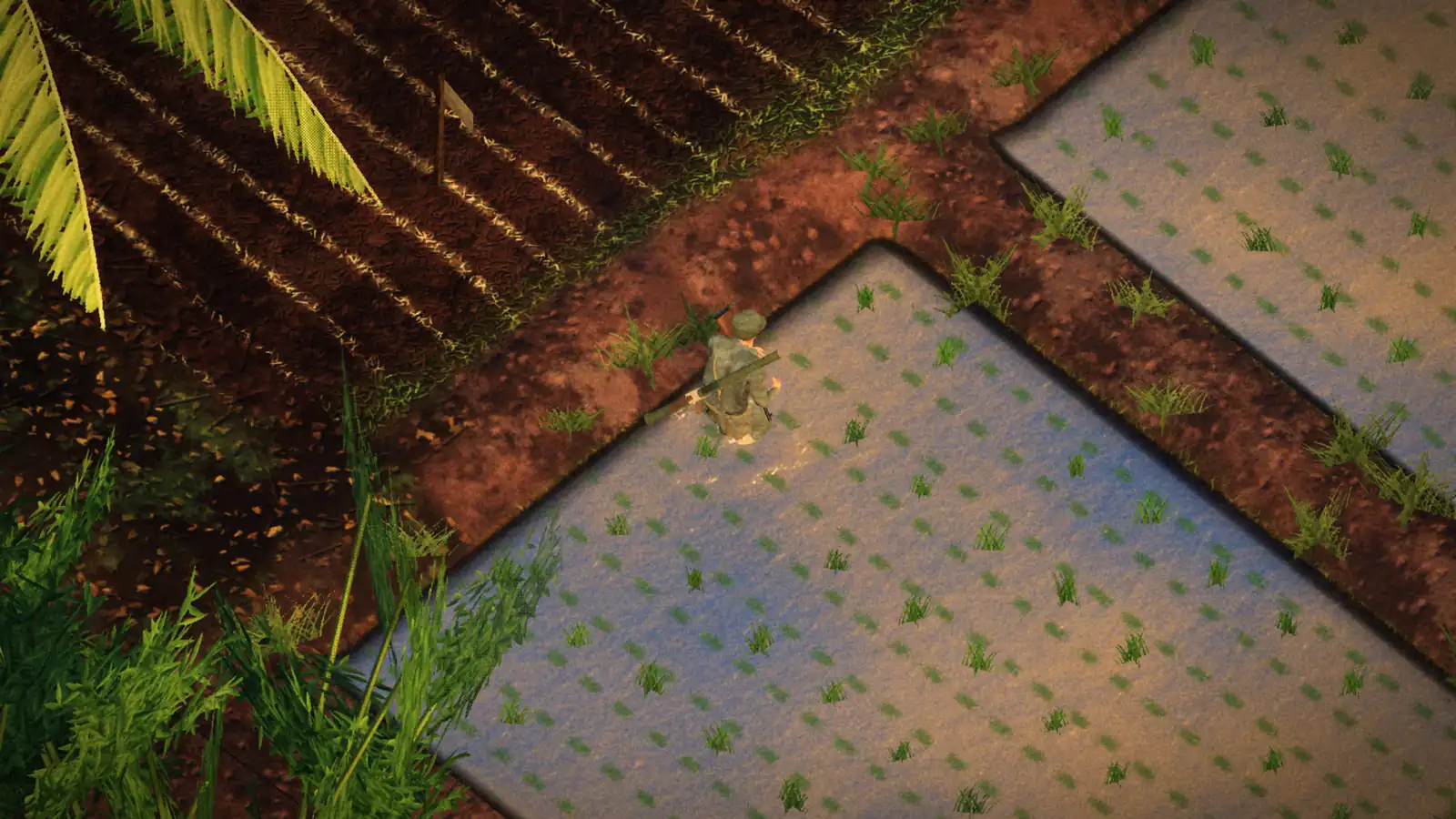
The paddies. She goes through the water, without a sound. -
Shrike
New
Recon
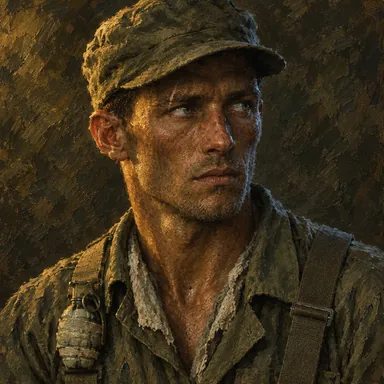
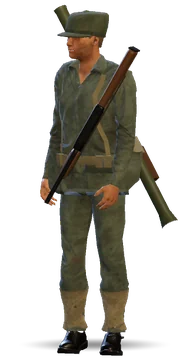
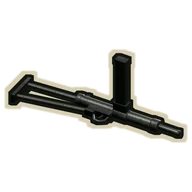
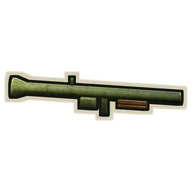
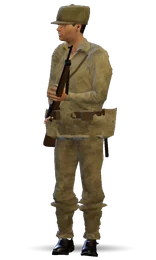
A sergeant of the reconnaissance platoon, twenty-three, new to the squad. Two white phosphorus grenades for the field and the beach, a trench knife and a Thompson. The bazooka has one rocket: for the pillbox at the first parachute, or kept for the first truck on the causeway.
Kit a trench knife, a Thompson, two white phosphorus grenades, a bazooka and one rocket
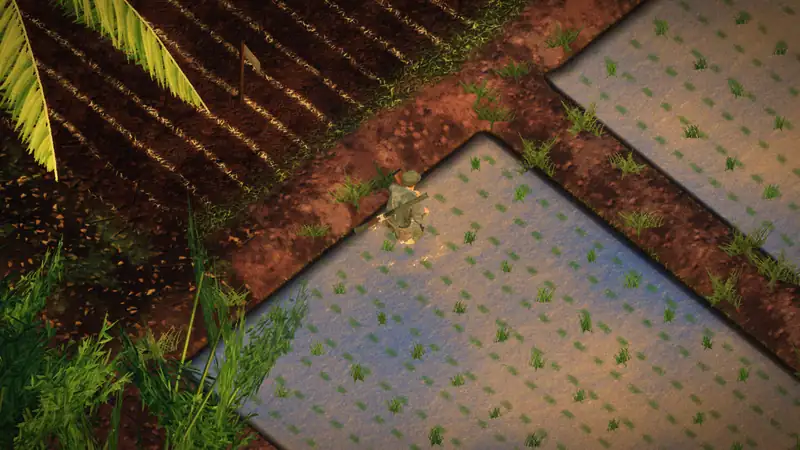
At the stake. He puts up the smoke, and keeps the rocket for seven. -
Brolga
New
Engineer
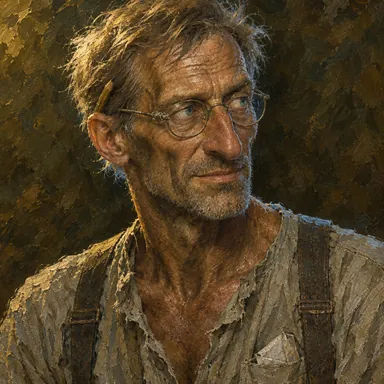
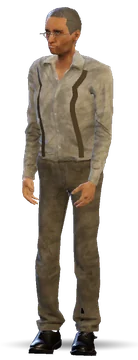
An Australian mining engineer of fifty-two, new to the squad, an internee who walked out under this wire five days ago and has come back. Slow, weak and unarmed. Only he cuts the south wire, and only he jams the rack room's door from the back. The people know him: a barracks follows him at once, and two barracks together.
Kit wire cutters of the camp's own make, a steel wedge
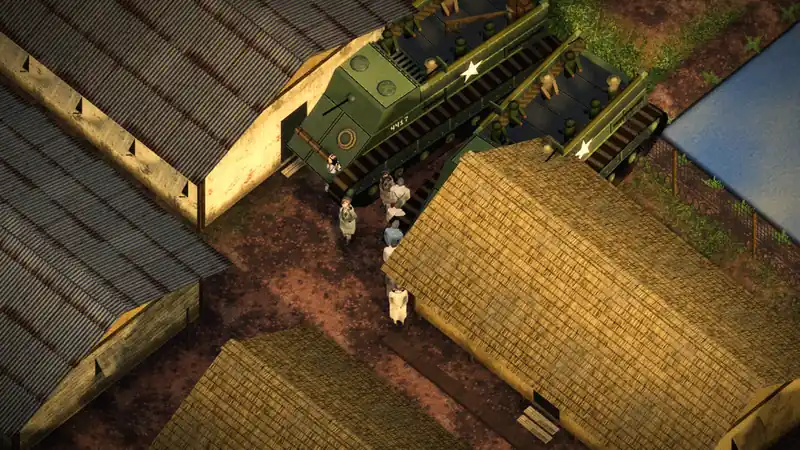
The people. They follow him at once, slowly.


The other side
Who's on watch
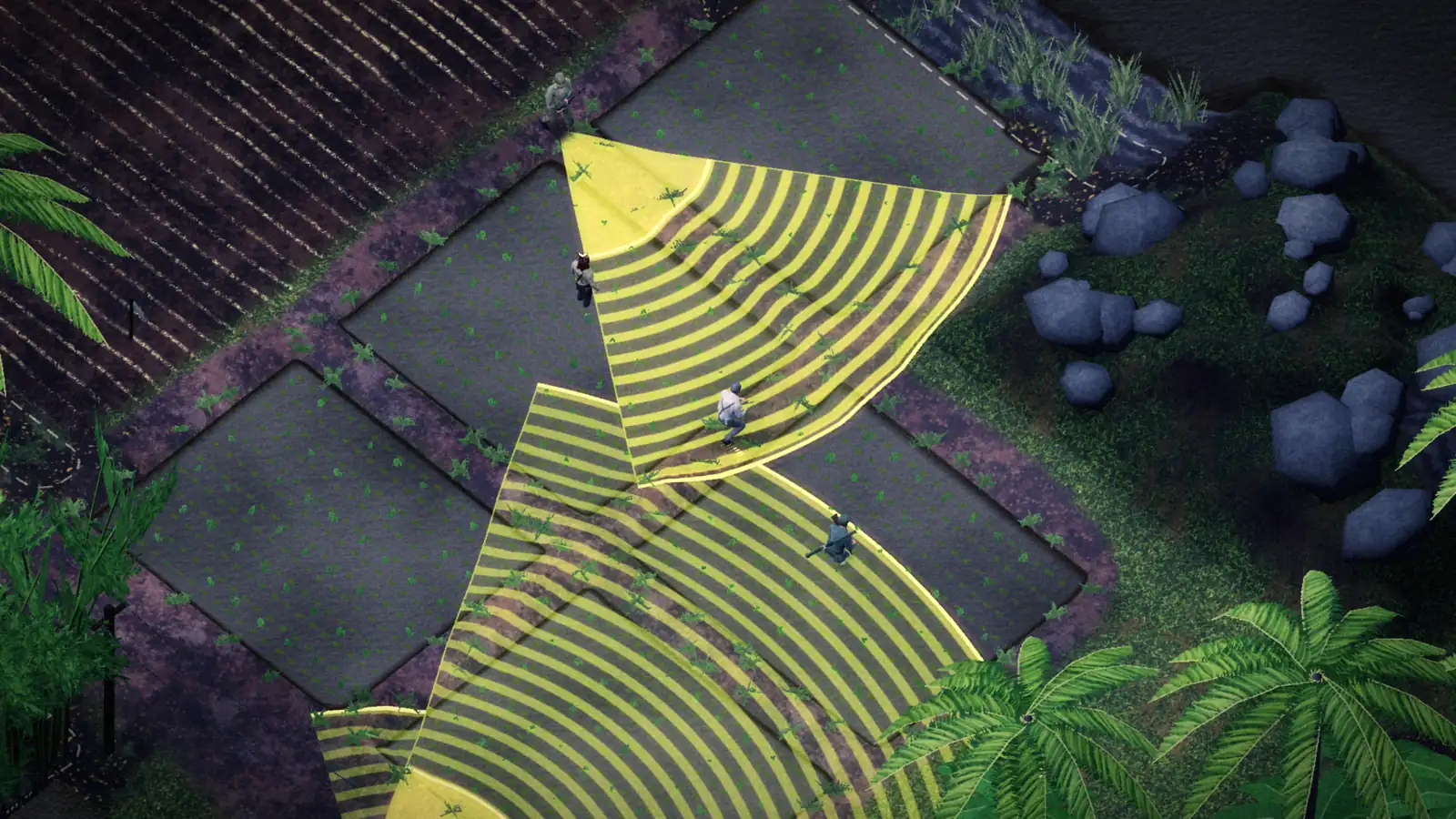
Every guard has a cone you can see and a beat you can learn, until seven.
-
Guard
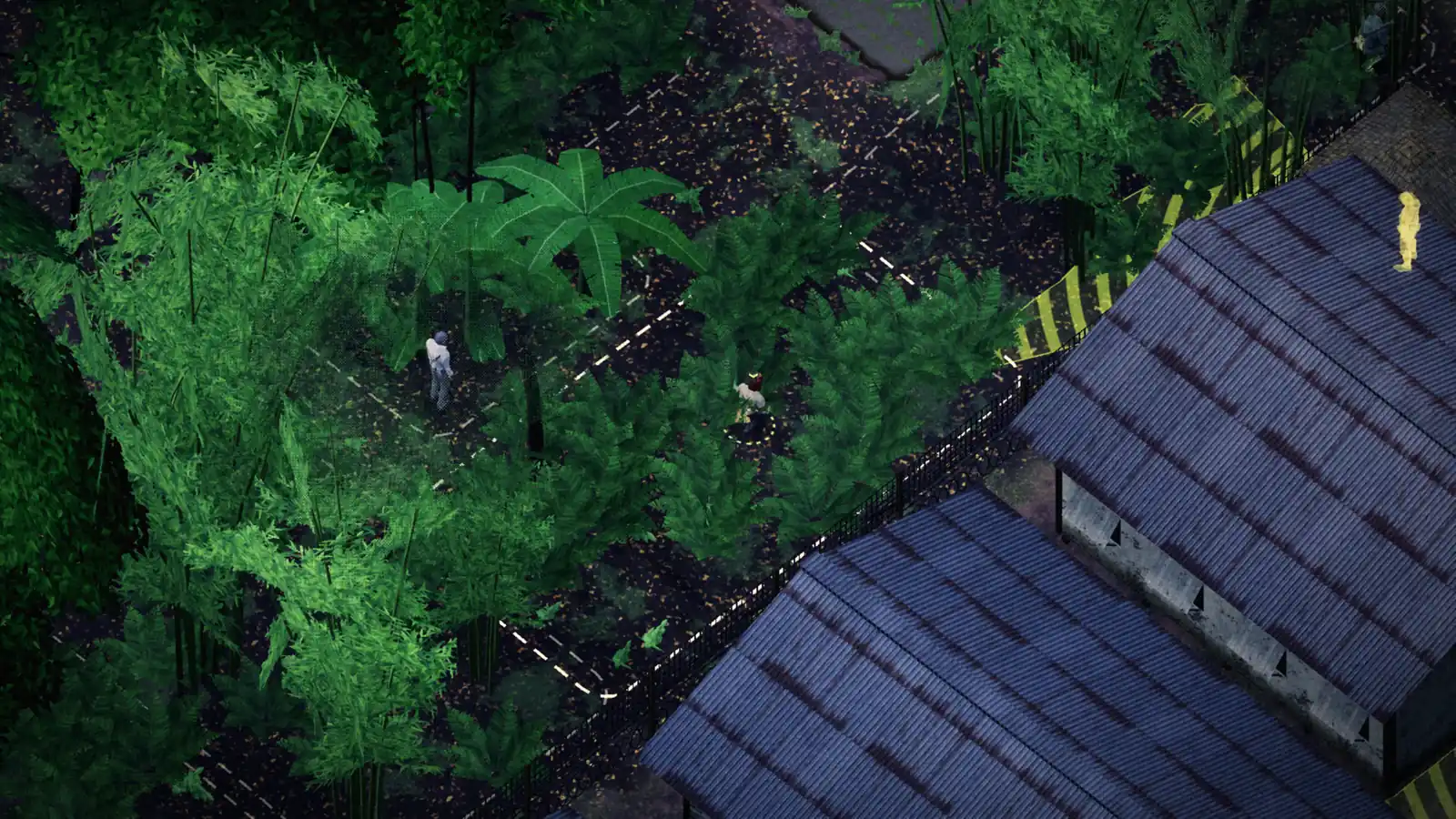
Patrols on the dikes and in the grove, sentries on the wire. In this light every cone reaches further from 06:40. The cone stops at the green.
-
At exercises
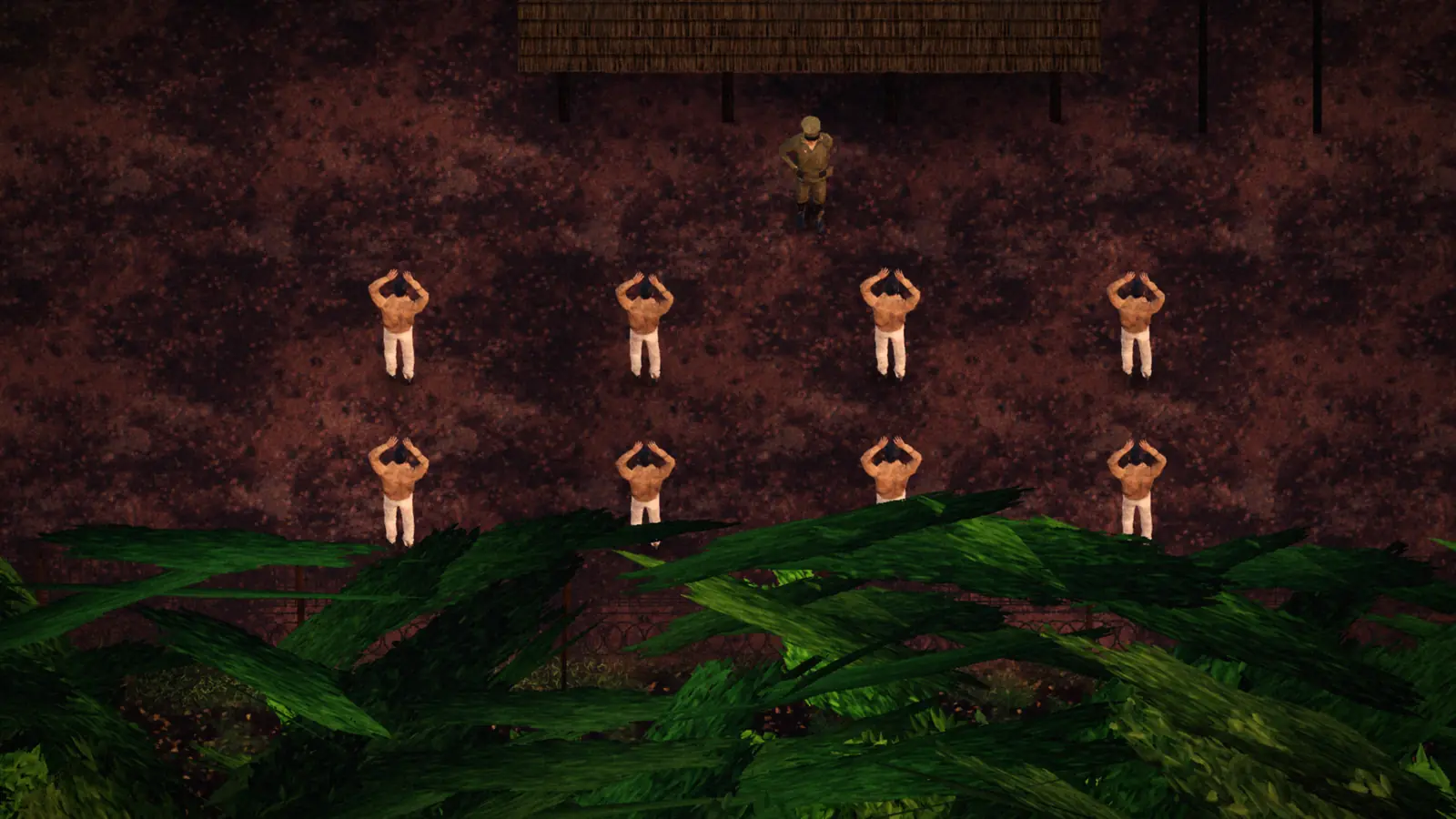
At 06:45 the garrison falls in without rifles and stands in rank, seeing nothing but the back of the man in front. An alarm before seven calls it off.
-
Gun crew
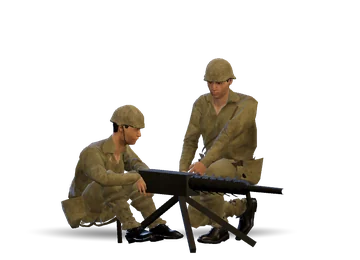
Two men and a machine gun: one in the pillbox at the gate, one on Mayondon Point with its lane along the beach.
-
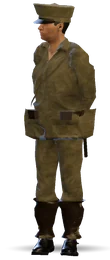
Warrant officer
He walks the camp between the hospital and the guards' quarters, and no noise draws him off it.
Out in the dark
The machines
Built in the game after the real thing.
-
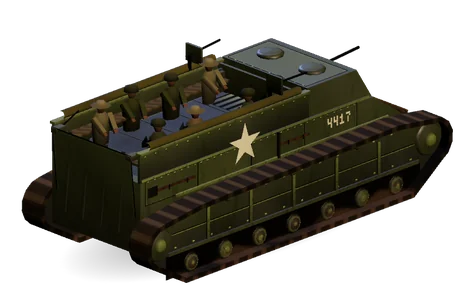
LVT-4 amtrac
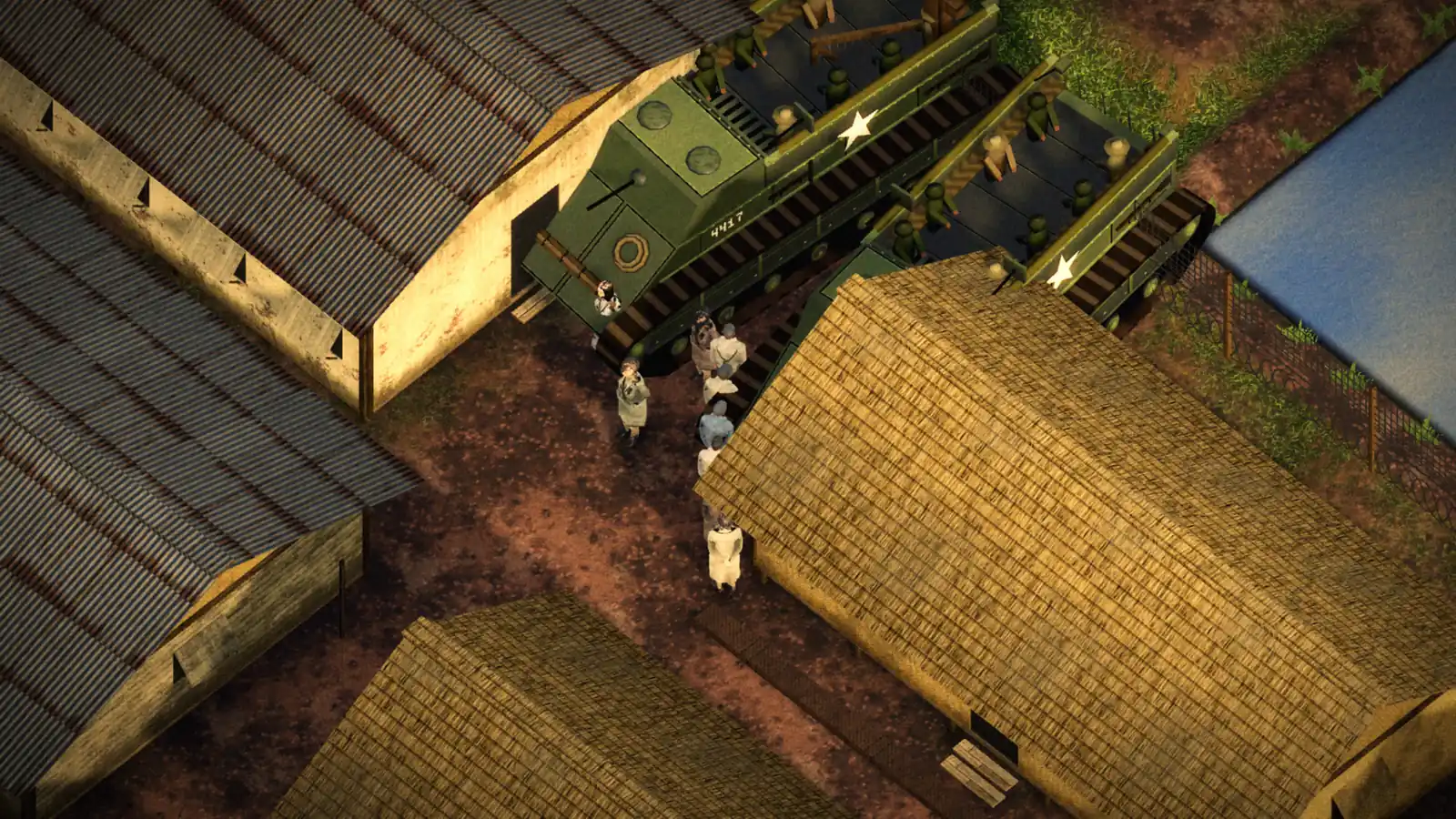
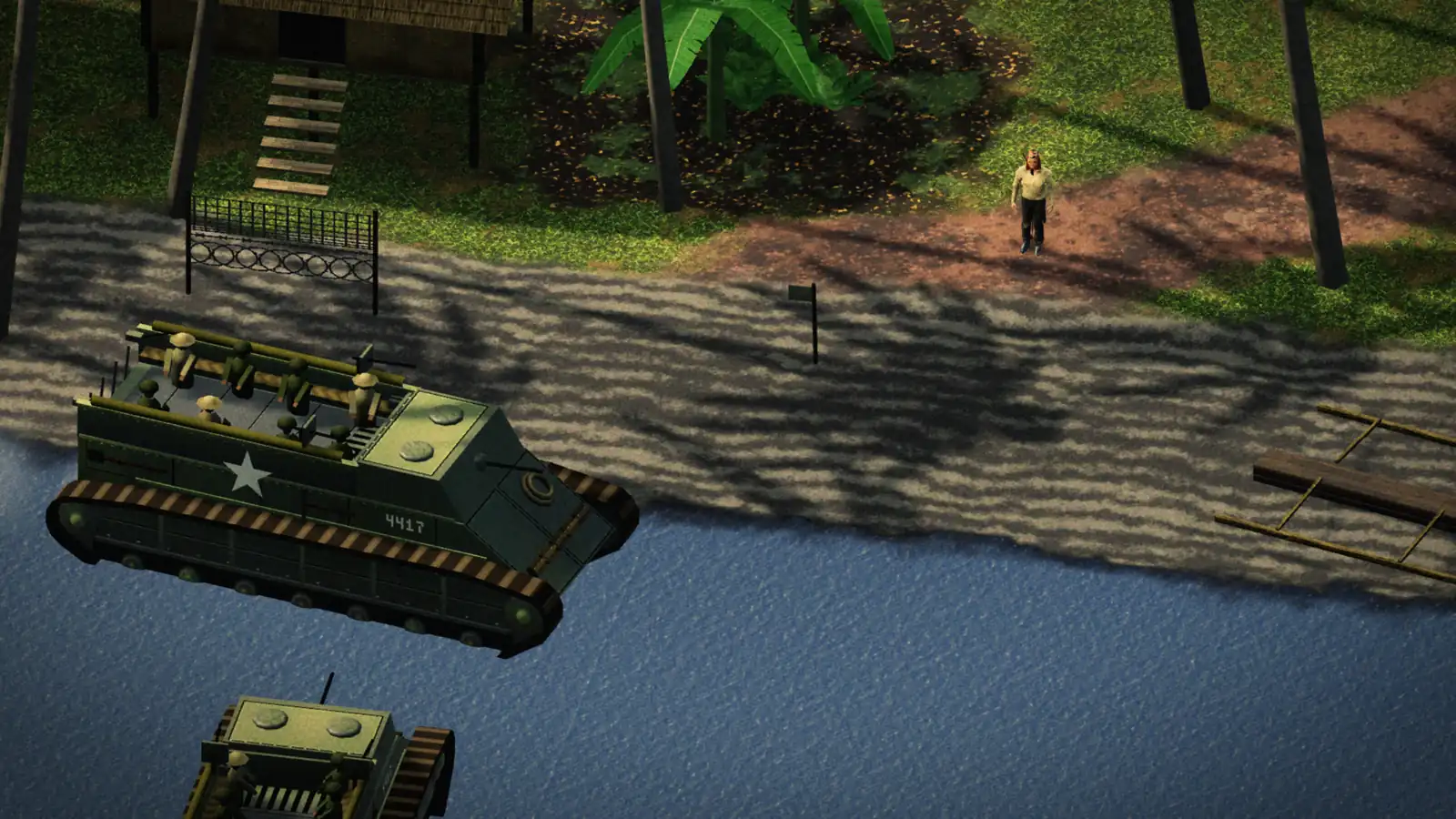
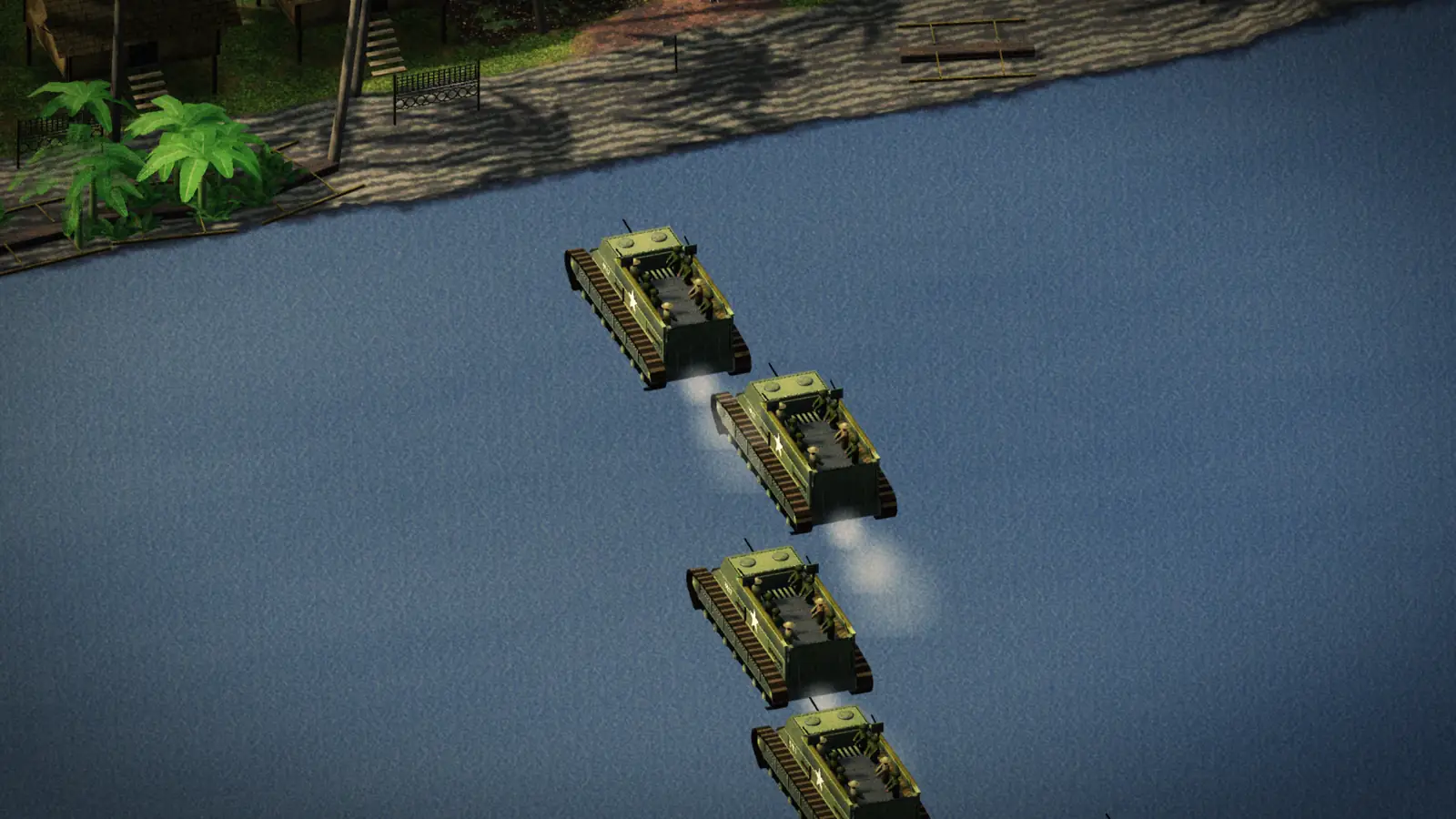
The Buffalo: a slab-sided steel box on two great tracks, a ramp at the stern. They swim in on the beach where the smoke is, and two go on up the road to the gate for the weakest.
-
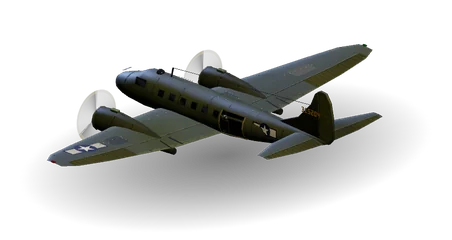
C-47
Nine of them come over at seven, low, with a company of paratroopers. The first parachute to open is the signal.
-
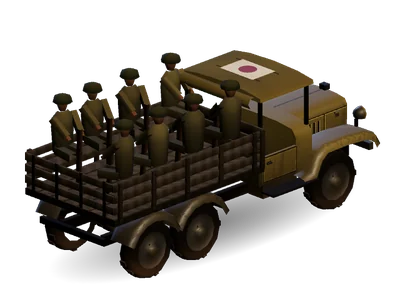
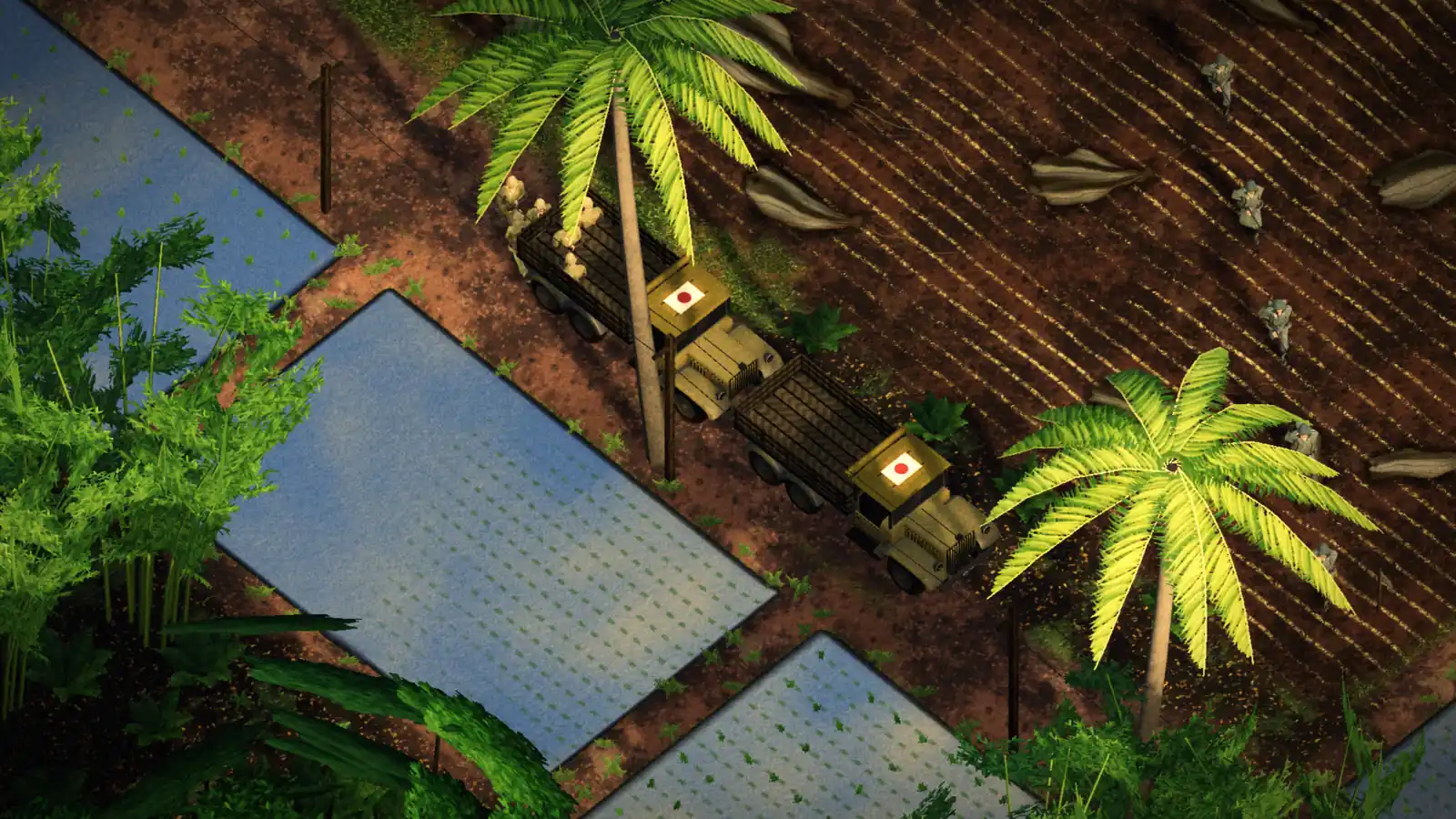
Type 94 truck
The reinforcements, down the causeway after seven, later if the telephone was cut. A rocket in the first holds the others back.
From above
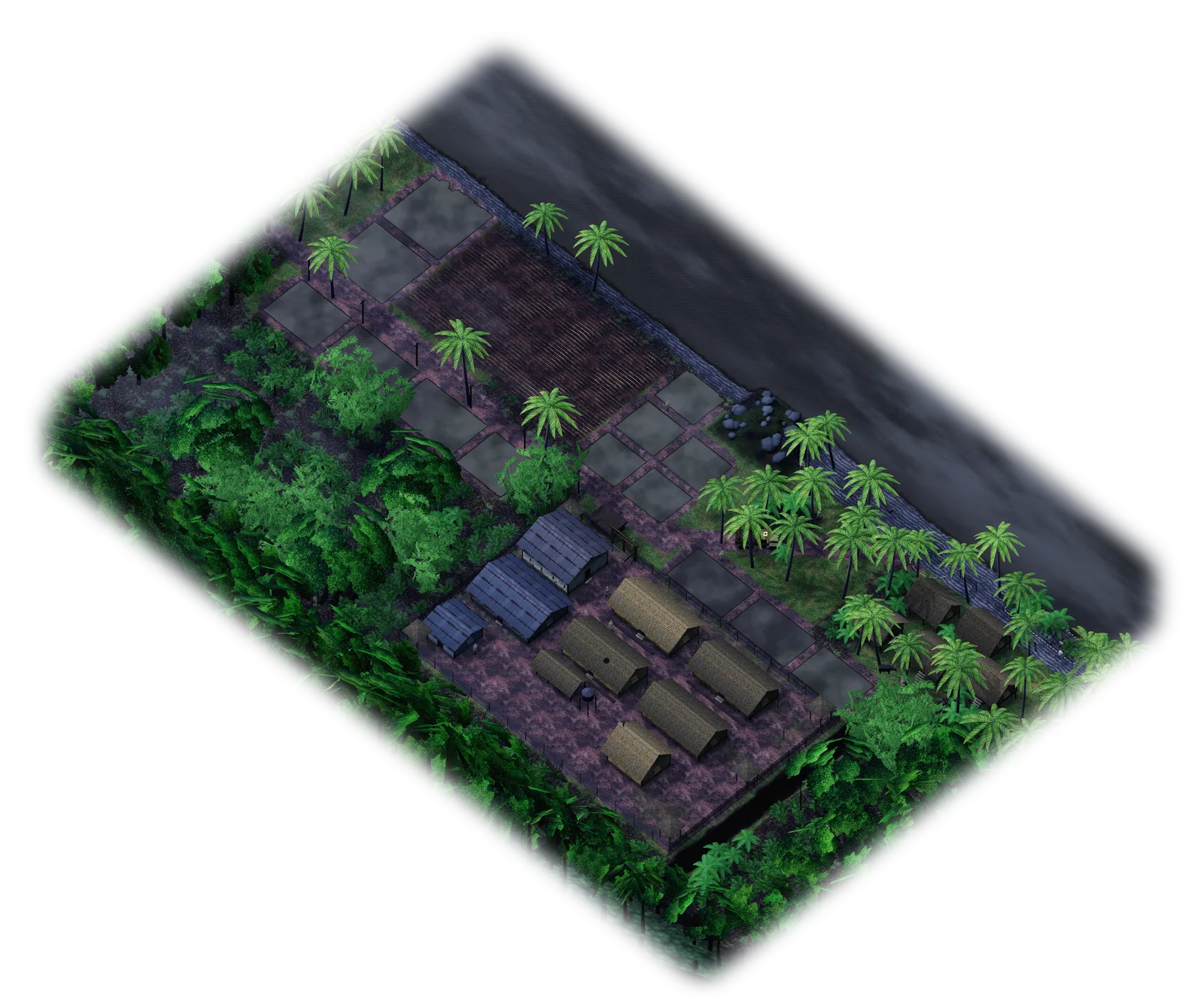
The whole ground
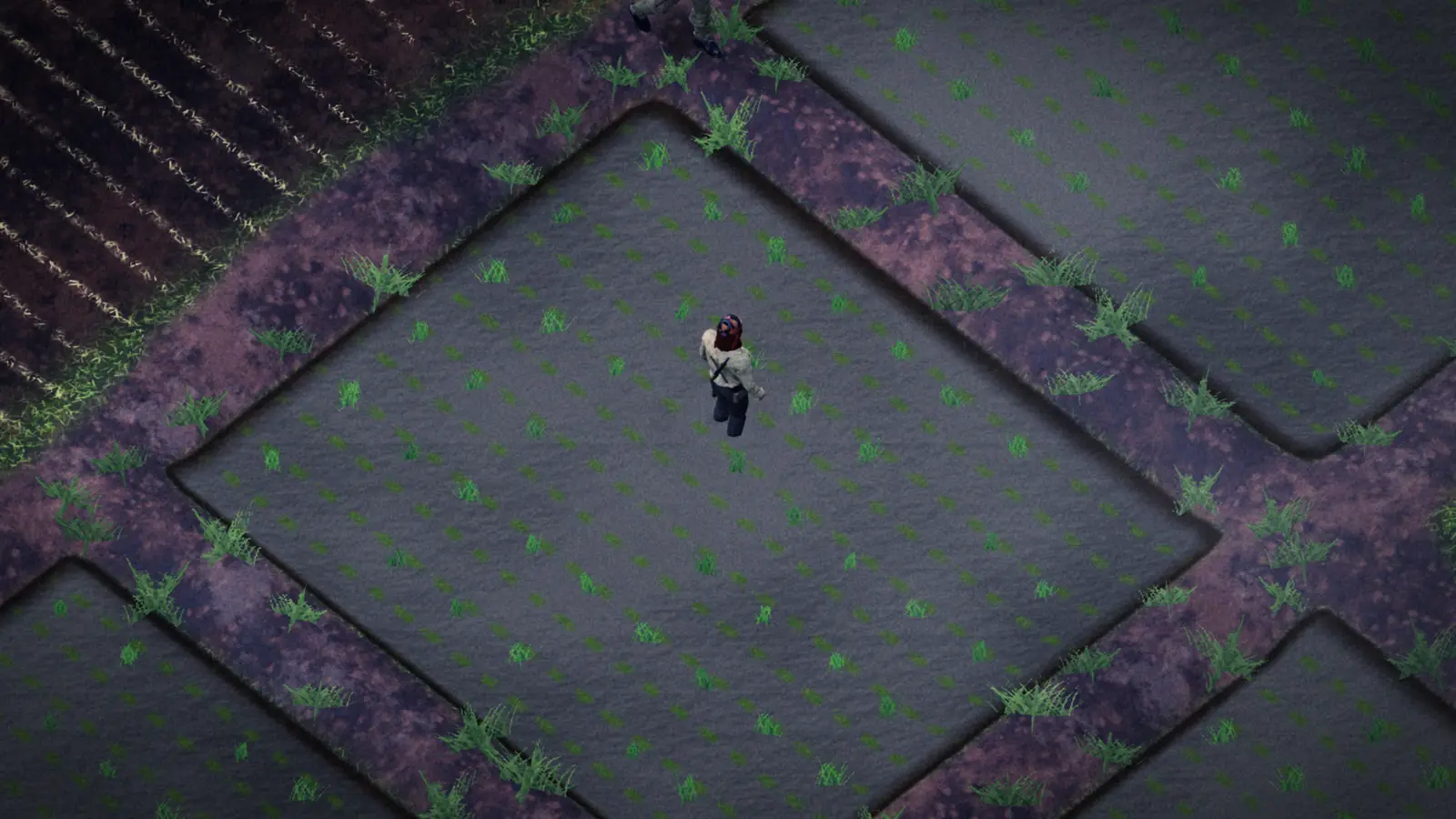
All of it at once, as the game draws it before dawn: the squad at their start, the guards on their rounds. Drag it about, and zoom in on anything.
New in this operation
Four new tricks
-
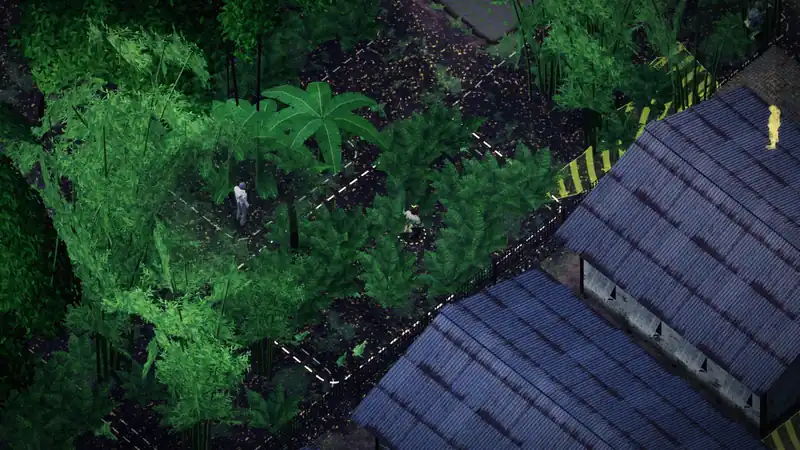
The green
Crouched in the ferns, the bamboo or the bananas nobody sees you, and a shot does not get through. A guard's cone stops at the green. It is the first map where it does.
-
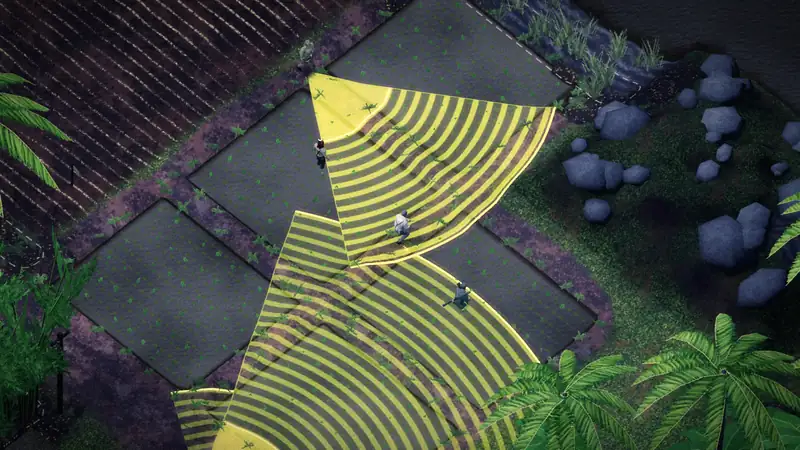
The dikes
The dikes are the only dry paths, and the patrols walk them. Wading is slow, and noisy unless you crouch. The people from the camp cannot wade at all.
-
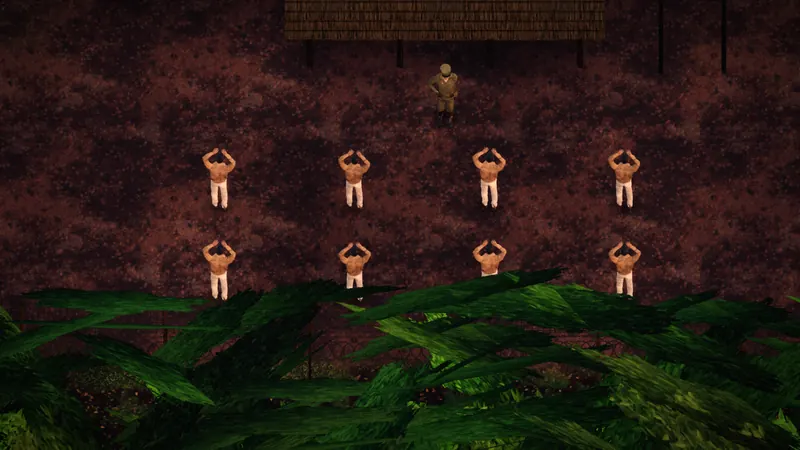
The exercises
At 06:45 the guards fall in without their rifles, which stay in the rack room. In rank they see nothing. The men on the wire go on watching. An alarm before seven means no exercises, and rifles in every hand.
-
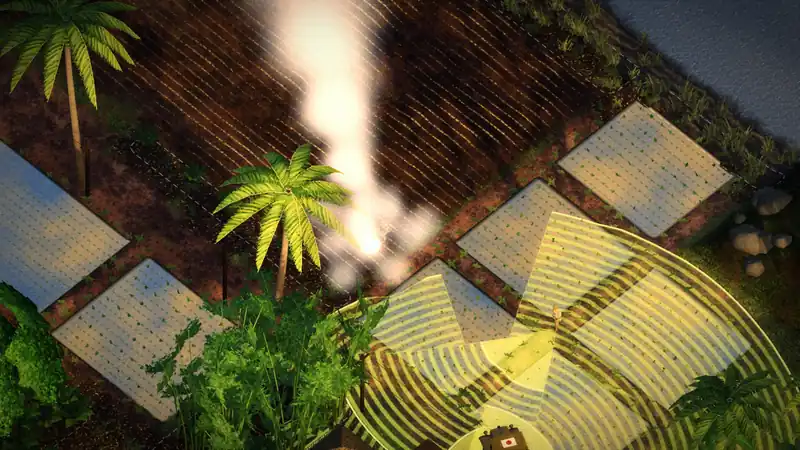
The smoke
Everything runs to the clock at the top of the screen. Put the smoke on the field and the beach at 06:58, no sooner: a column too early brings a patrol to look, and there is nothing yet in the sky to see it.
From the paddies
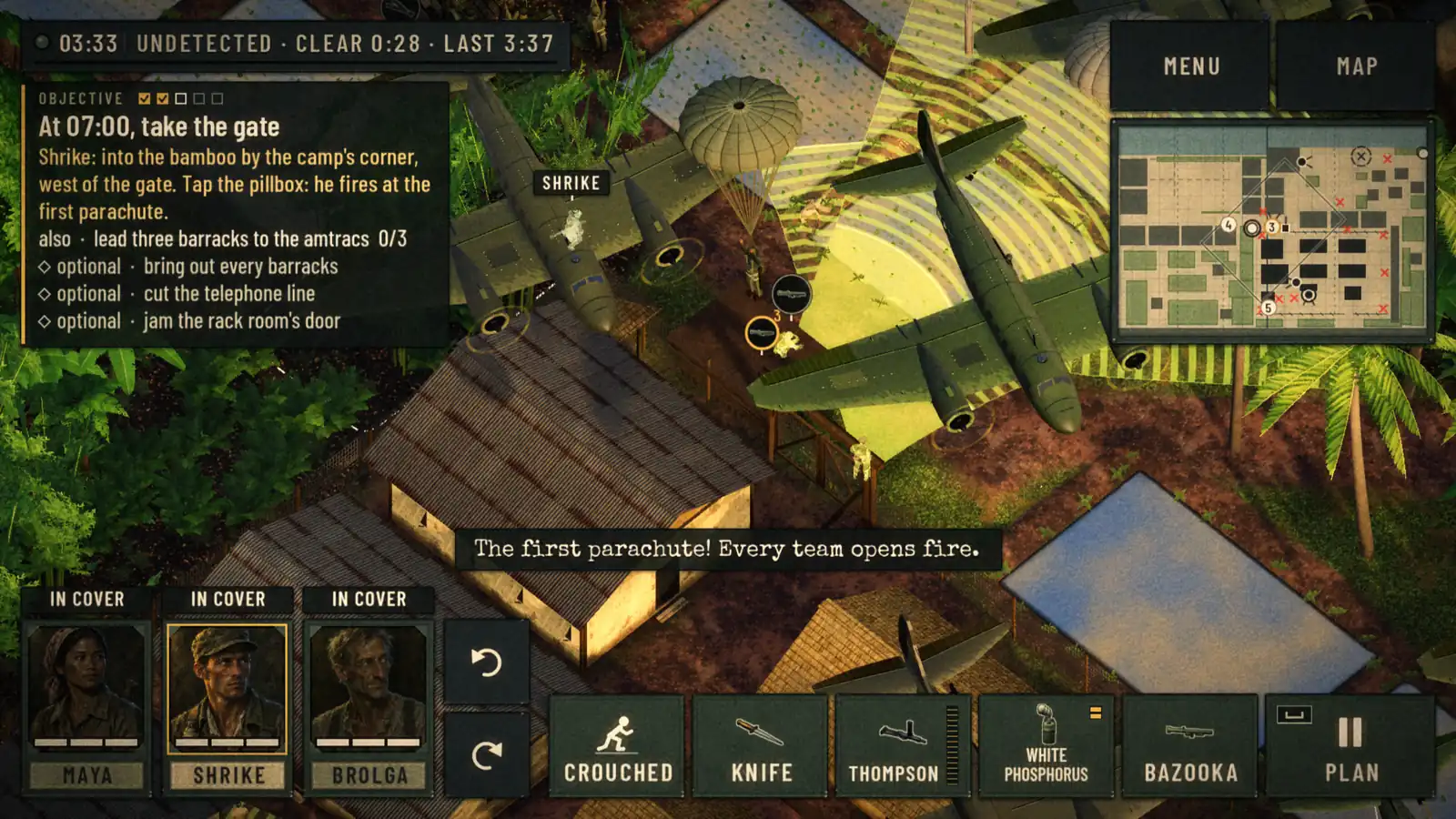
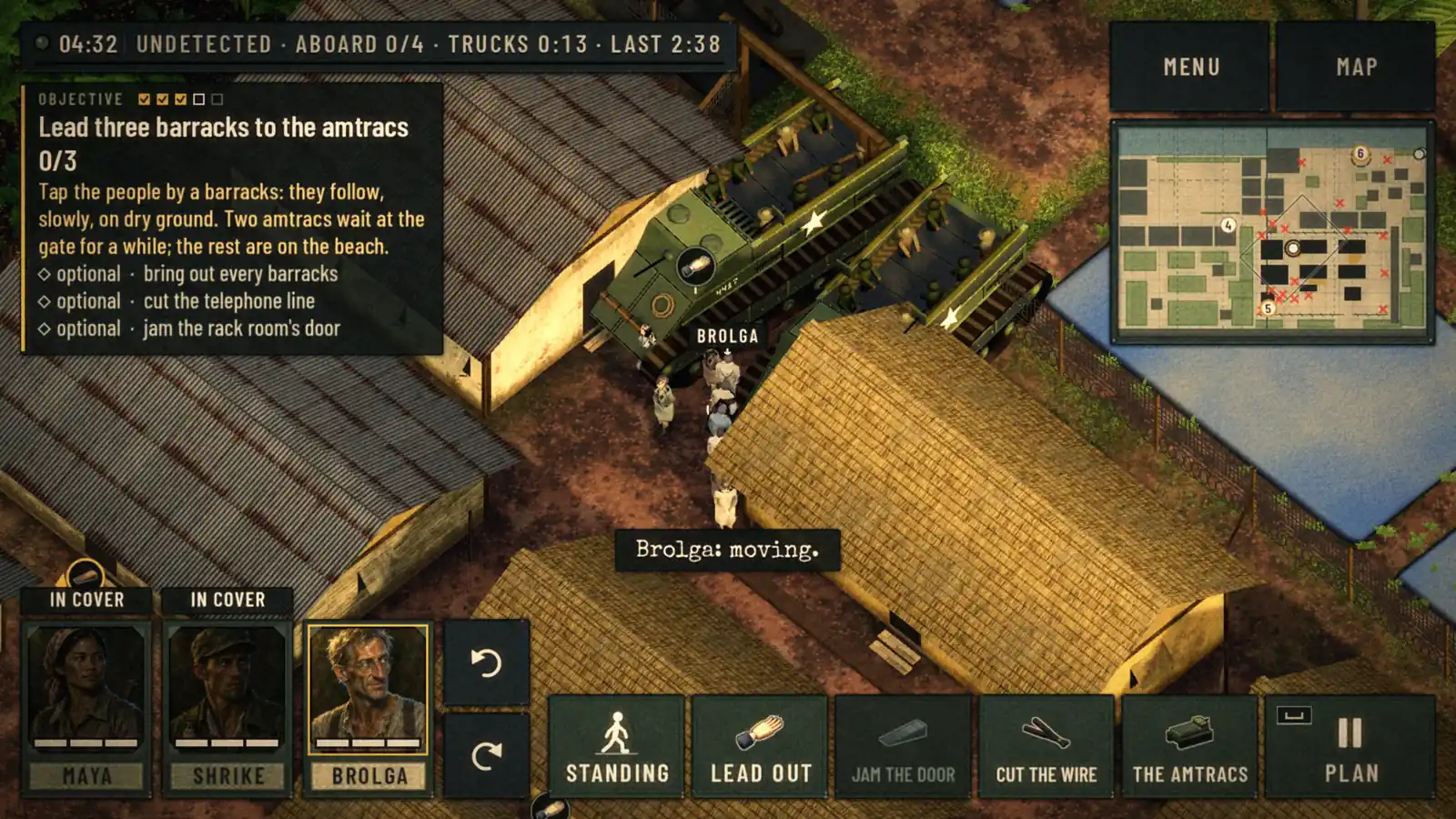

7:00
The first parachute
At seven exactly the first parachute opens, and the guerrillas and the reconnaissance teams open fire. The paratroopers reach the wire, and the amtracs come up onto the sand. Then the slow part. By three in the afternoon every one of them had come out: the hospital, the nuns, the three-day-old baby. Across the water, smoke was still rising over Los Baños, and for the town the worst of it had not begun.
-
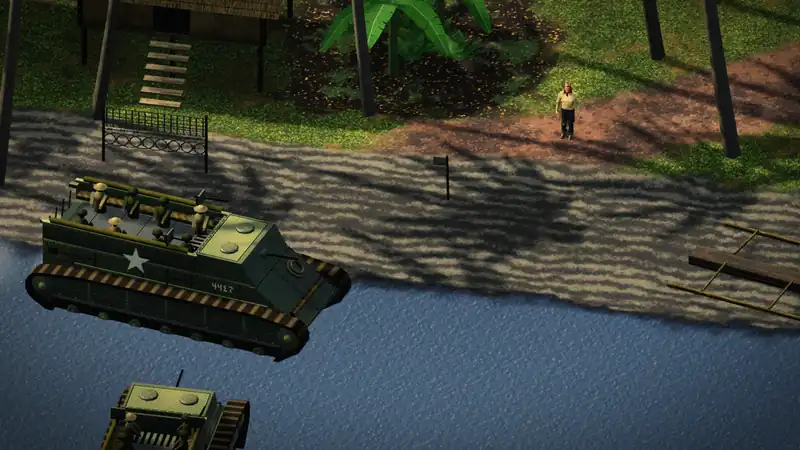
The beach. The last amtracs, before three in the afternoon. -
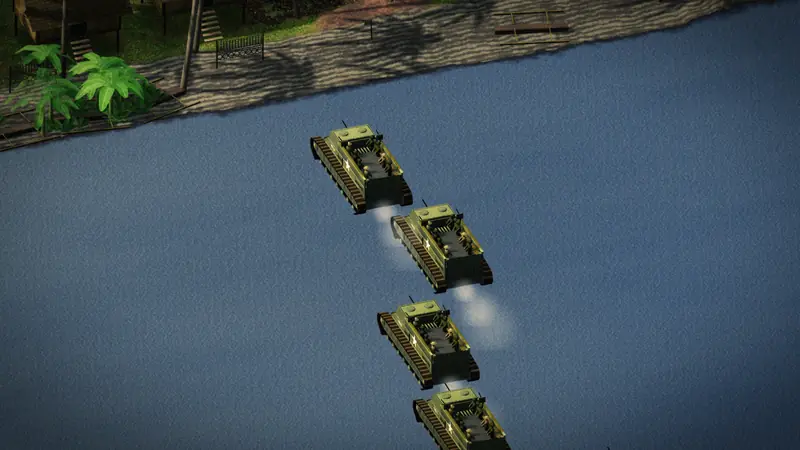
The lake. Seven miles of open water to Mamatid. -
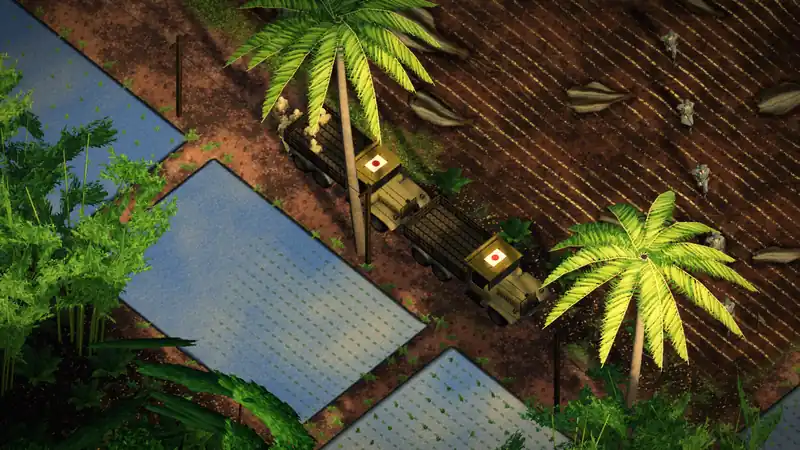
The causeway. Trucks. Get them to the lake.
Saboteurs / Field operations The real story
The real raid · 23 February 1945
The Camp on the Campus
Over two thousand civilians, a college campus on a lake, and one minute at seven in the morning.
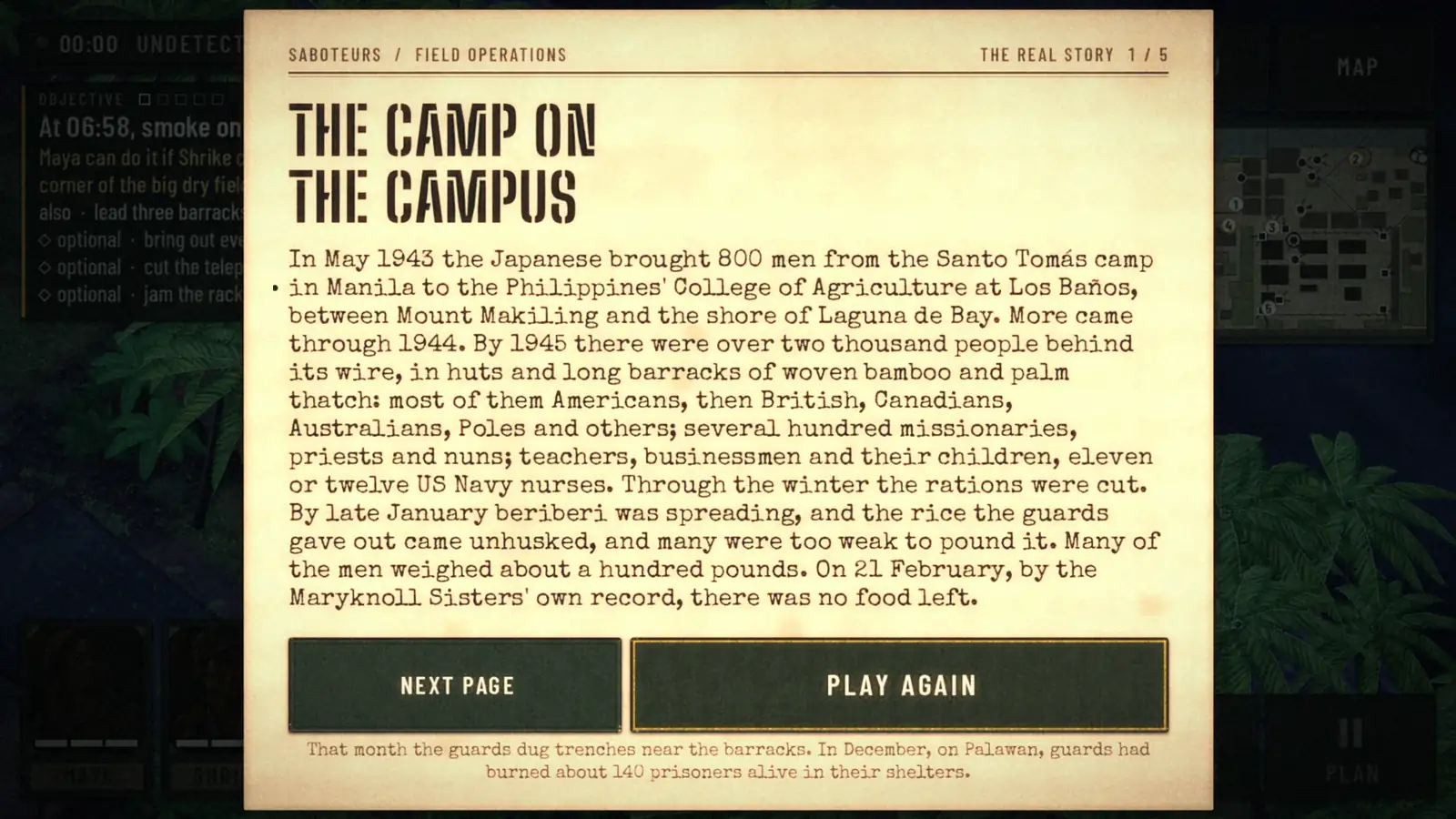
In May 1943 the Japanese brought 800 men from the Santo Tomás camp in Manila to the Philippines' College of Agriculture at Los Baños, between Mount Makiling and the shore of Laguna de Bay. More came through 1944. By 1945 there were over two thousand people behind its wire, in huts and long barracks of woven bamboo and palm thatch: most of them Americans, then British, Canadians, Australians, Poles and others; several hundred missionaries, priests and nuns; teachers, businessmen and their children, eleven or twelve US Navy nurses. Through the winter the rations were cut. By late January beriberi was spreading, and the rice the guards gave out came unhusked, and many were too weak to pound it. Many of the men weighed about a hundred pounds. On 21 February, by the Maryknoll Sisters' own record, there was no food left.
That month the guards dug trenches near the barracks. In December, on Palawan, guards had burned about 140 prisoners alive in their shelters.
We took liberties. Maya, Shrike and Brolga are made up, as are the cut telephone line and the jammed door, which no account mentions. The map is the game's own, and folds two and a half miles into a few minutes' walk.
-
The men who got out
On the night of 12 February Freddy Zervoulakos, a Greek-Filipino of nineteen, slipped under the wire, reached the guerrillas, and came back with a promise of rescue. The internees' committee decided to do nothing. About a week later Pete Miles, a civilian engineer, got out too, and gave the planners the camp: its posts, its machine guns, its routine. Ben Edwards drew it on a schoolhouse blackboard at Nanhaya. Every morning at seven (6:45, in one account) the guards turned out for roll call and exercises, without their rifles, which stayed in a guard room; a handful stayed on post. An officer of the raid called it the most important information they had. The guerrillas, under Lt. Col. Gustavo Ingles, had gathered much of the rest: the Hunters-ROTC, once the cadets of Manila's schools, President Quezon's Own Guerrillas, the Red Lions, the Chinese 48th Squadron, Marking's, the Hukbalahap.
Nobody agreed how many guards there were: the raid's intelligence said 80; other accounts say 150 to 250.
-
Seven o'clock
Maj. Gen. Joseph Swing's 11th Airborne Division had it planned in days. On the night of 21 February Lt. George Skau's reconnaissance platoon (22 men or 31: the sources differ) crossed the lake in bancas, eight hours against the wind, and crept in with the guerrillas through thicket and paddy, in places to within fifteen yards of the sentries. At 06:58 they set off smoke on the rice field and on the beach: white phosphorus, says the division's report; later accounts remember it green. At seven, nine C-47s put Lt. John Ringler's Company B of the 511th Parachute Infantry down on the field, and the first parachute to open was the signal. Behind the lake's mist 54 amtracs, which had left Mamatid at 05:15 in the dark and crossed by compass, came up onto the sand. The first shot, in one account, was a bazooka round into the pillbox at the gate.
Not one guard reached the rifles alive, says one of the battalion's officers. The division counted 243 Japanese dead that day; later accounts say 70 to 80, and some got away.
-
Off the shore
The internees were hungry, dazed and packing, and it took the paratroopers some time to understand that they would not hurry. Barracks were set on fire to move them. The weakest, some 130, were carried, and those who could not walk far rode; the rest walked the two and a half miles to the beach, with guerrillas carrying their baggage. Among them were the nuns, a baby three days old, Lois Kathleen McCoy, and Frank Buckles, who would die in 2011 the last American veteran of the First World War. The amtracs made the two-hour round trip twice. The last left at about three in the afternoon, under fire from Mayondon Point. A column coming down Highway 1 to meet them never got past the Dampalit River, and Swing suggested the force hold on where it was. Its commander, Maj. Henry Burgess, by his own account, went off the air and got everybody out.
2,147 people reached safety by the division's count (2,132 or 2,122 by others). Two guerrillas of the Hunters were killed, Atanacio Castillo and Anselmo Soler; four were wounded, and two of the reconnaissance men.
-
The town
The guerrillas warned the town of Los Baños to leave. Not everyone could. Within days the Japanese came back, Capt. Ginsaku Saito's battalion and some of the camp's own guards, with Filipino collaborators ransacking the houses. About 1,500 civilians were killed (Burgess's estimate; 1,400 in another account): shot, bayoneted, burned in their houses, families tied to the stilts of their homes before they were set alight, many beheaded in the coffee plantation on the campus. It was terrible, and it fell on people who had done nothing but live there. Whether all of it was revenge for the raid is disputed: Ben Edwards did not think so, and the same troops had already killed at Calamba and Lipa. Sadaaki Konishi, the camp's second-in-command, who had held back the food, admitted to helping plan it, and was hanged (in 1947 or in 1949: the accounts differ), as was Col. Masatoshi Fujishige. Maj. Iwanaka, the commandant, was never caught.
In memory of the people of Los Baños killed in the days after the
raid, and of Atanacio Castillo and Anselmo Soler of the Hunters.
Read about the raid on Los Baños
Saboteurs · In beta on iPhone, Android and the web
Get them out
Saboteurs is in beta on iPhone, Android and the web. Los Baños is the tenth operation, in the app.
- iPhone Now in beta
- Android Now in beta
- Web Now in beta