
Field operations · File 06
New operation
Tamet
Libya · the night of 14 December 1941
Bombs on the parked aircraft, pencils that keep their own time, and every footprint left in the sand.
The briefing
One airfield. One night.
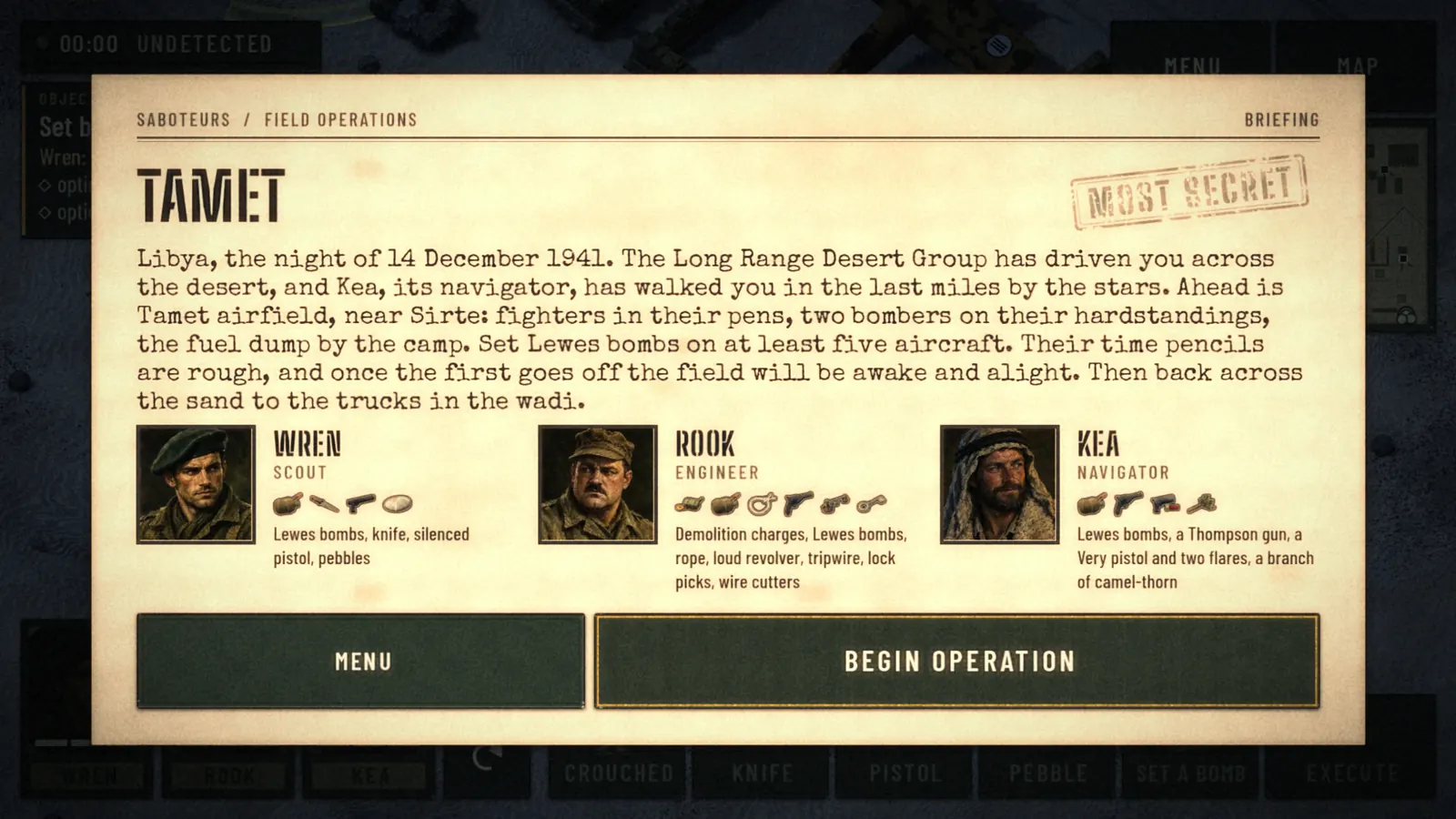
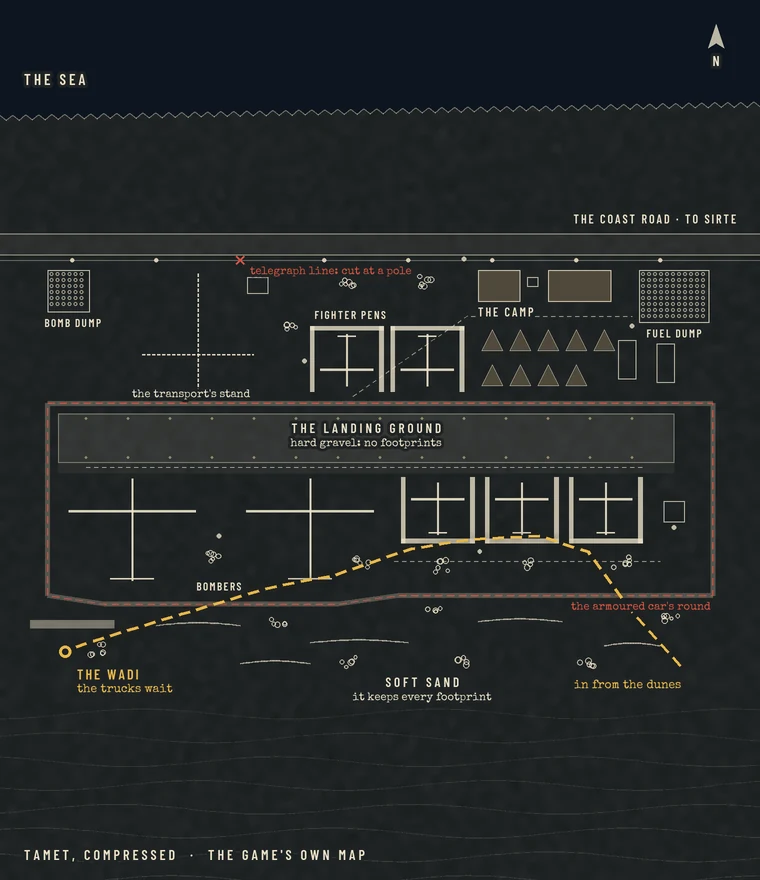
Libya, the night of 14 December 1941. The Long Range Desert Group has driven you across the desert, and Kea, its navigator, has walked you in the last miles by the stars. Ahead is Tamet airfield, near Sirte: fighters in their pens, two bombers on their hardstandings, the fuel dump by the camp. Set Lewes bombs on at least five aircraft. Their time pencils are rough, and once the first goes off the field will be awake and alight. Then back across the sand to the trucks in the wadi.
- Set bombs on five aircraft Anyone can set a Lewes bomb on an aircraft: the fighters in their pens, the two bombers, and a transport once it has landed.
- Blow the fuel dump Optional Rook alone carries the big charge. The dump is at the camp's east end.
- Cut the telegraph line Optional At a pole by the coast road. Then the field cannot call Sirte for help.
- Get back to the trucks in the wadi Back across the sand to the south-west, past the dunes.
Lose any of the three and it is over. The sixth operation.
The squad
Two raiders. One navigator.
-
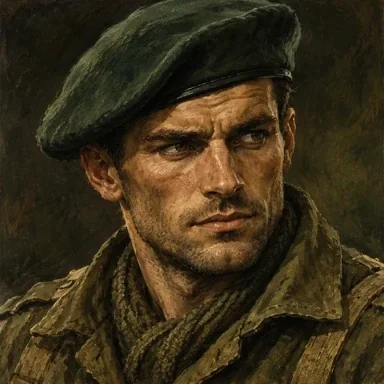
Wren
Scout
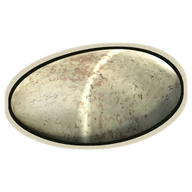
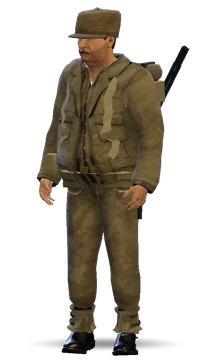
Takes the fighters in the south pens, nearest the dunes: a bomb on each, its time pencil crushed. A pebble thrown past a sentry turns his head.
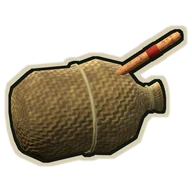
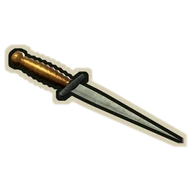
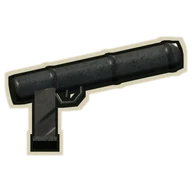
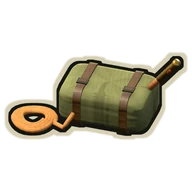
Kit Lewes bombs, knife, silenced pistol, pebbles
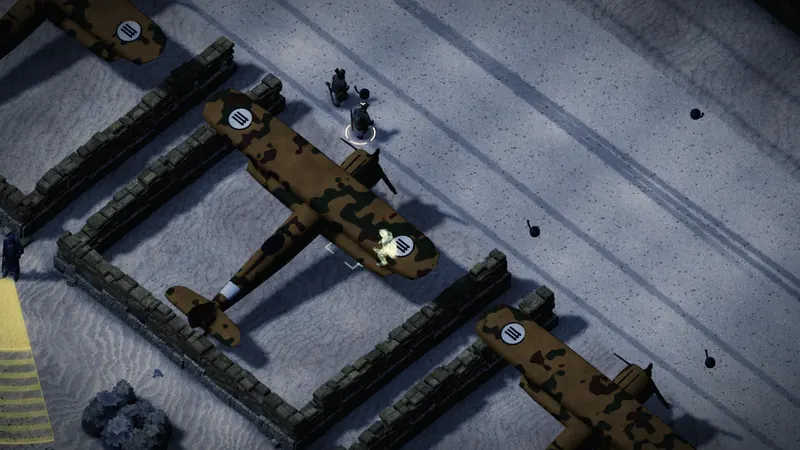
In the pens. A bomb on the fighter, its pencil crushed. -
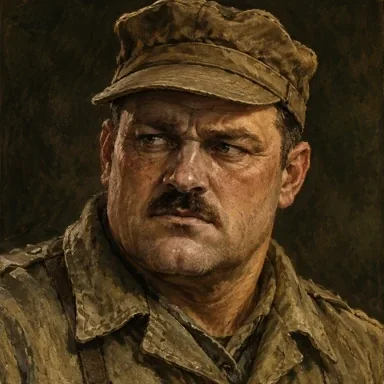
Rook
Engineer
Sets a bomb on every aircraft he reaches, and alone carries the big charge for the fuel dump. He or Kea cuts the telegraph line at a pole by the road.
Kit Lewes bombs, the fuel dump's charge, rope, revolver, tripwire, lock picks, wire cutters
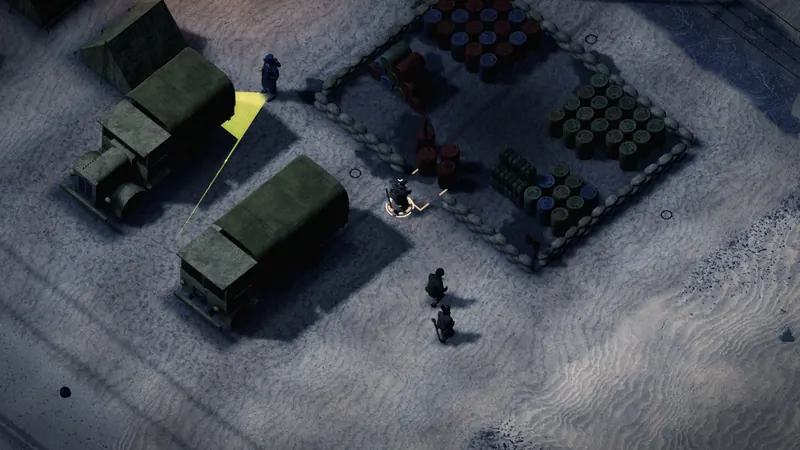
The fuel dump. Rook's alone: the big charge, on its own pencil. -
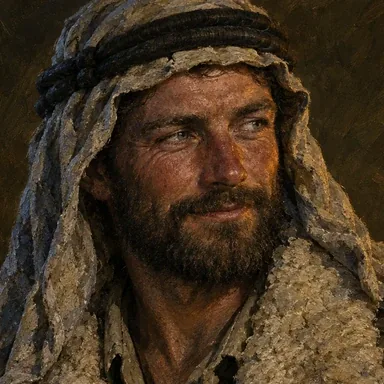
Kea
New
Navigator
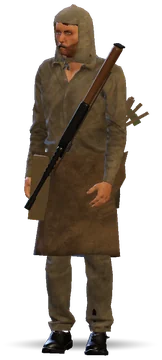
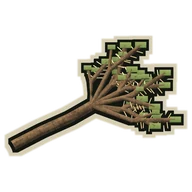
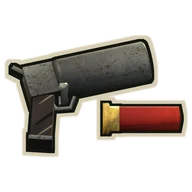
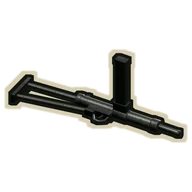
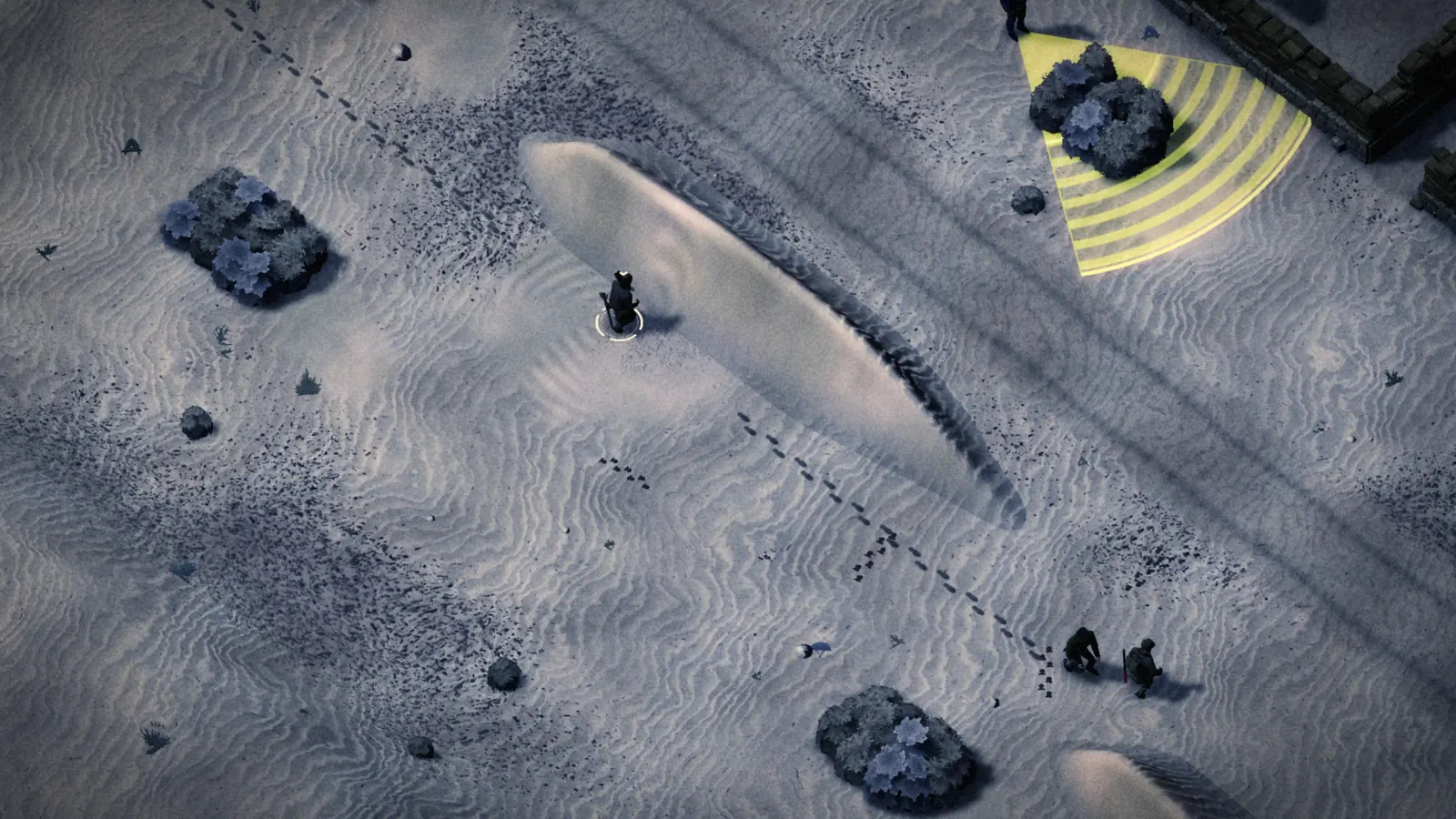
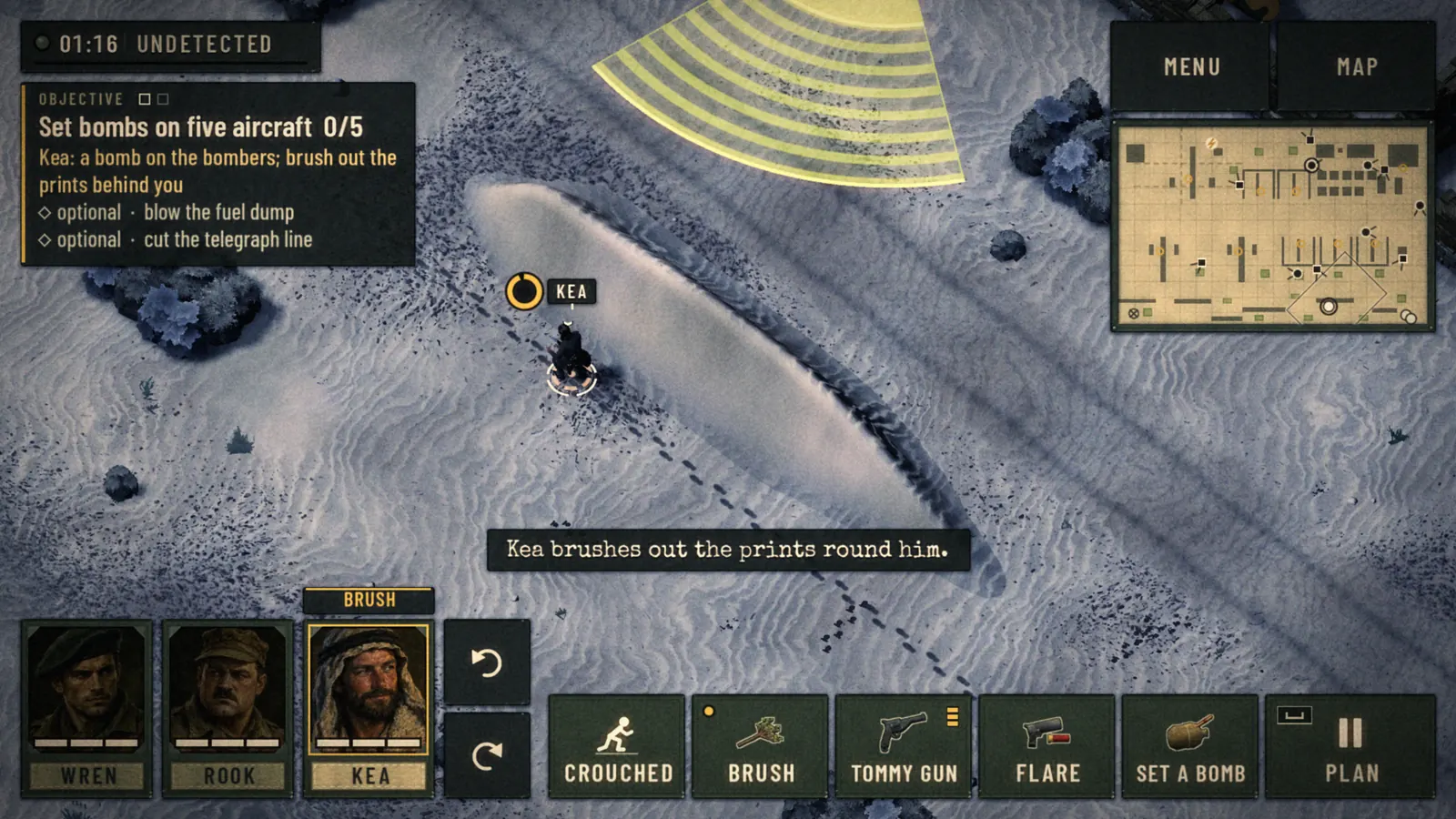
The Long Range Desert Group's navigator, a New Zealander, new to the squad: he walked you in the last miles by the stars. With a branch of camel-thorn he brushes the prints out of the sand round him, and his Very pistol sends a flare far off for the guards and the armoured car to go and look at.
Kit Lewes bombs, a branch of camel-thorn, a Very pistol and two flares, a Thompson gun
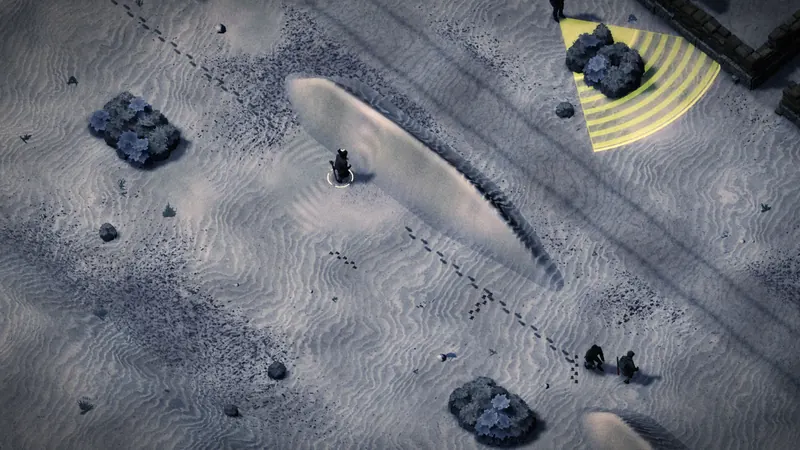
The brush. A gap swept in the trail, and a guard has nothing to follow.

The other side
Who's on watch
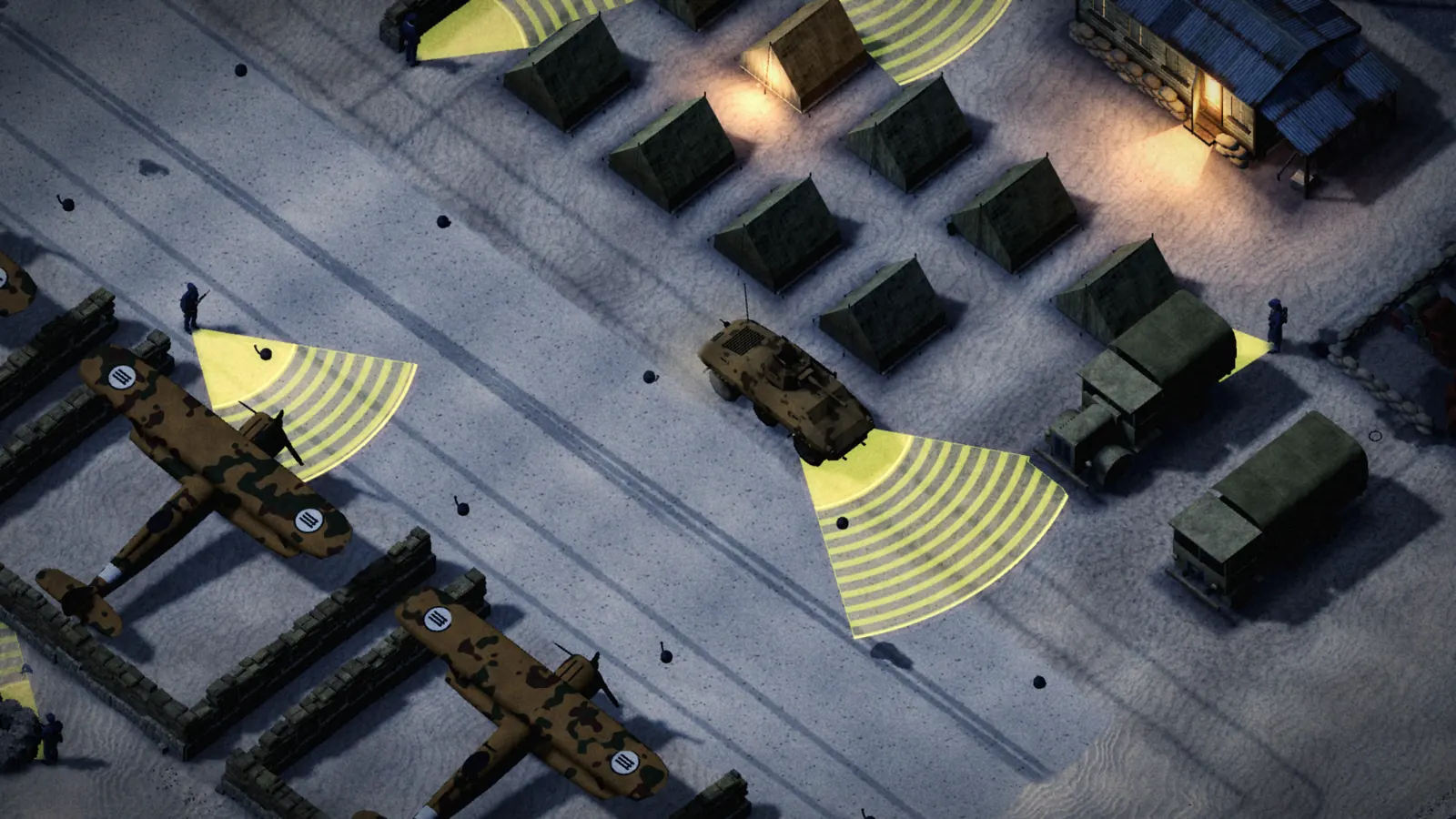
Every guard has a cone you can see and a beat you can learn.
-
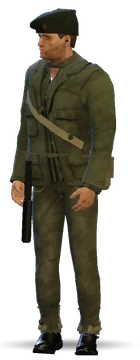
Airman
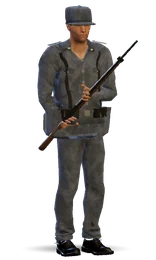
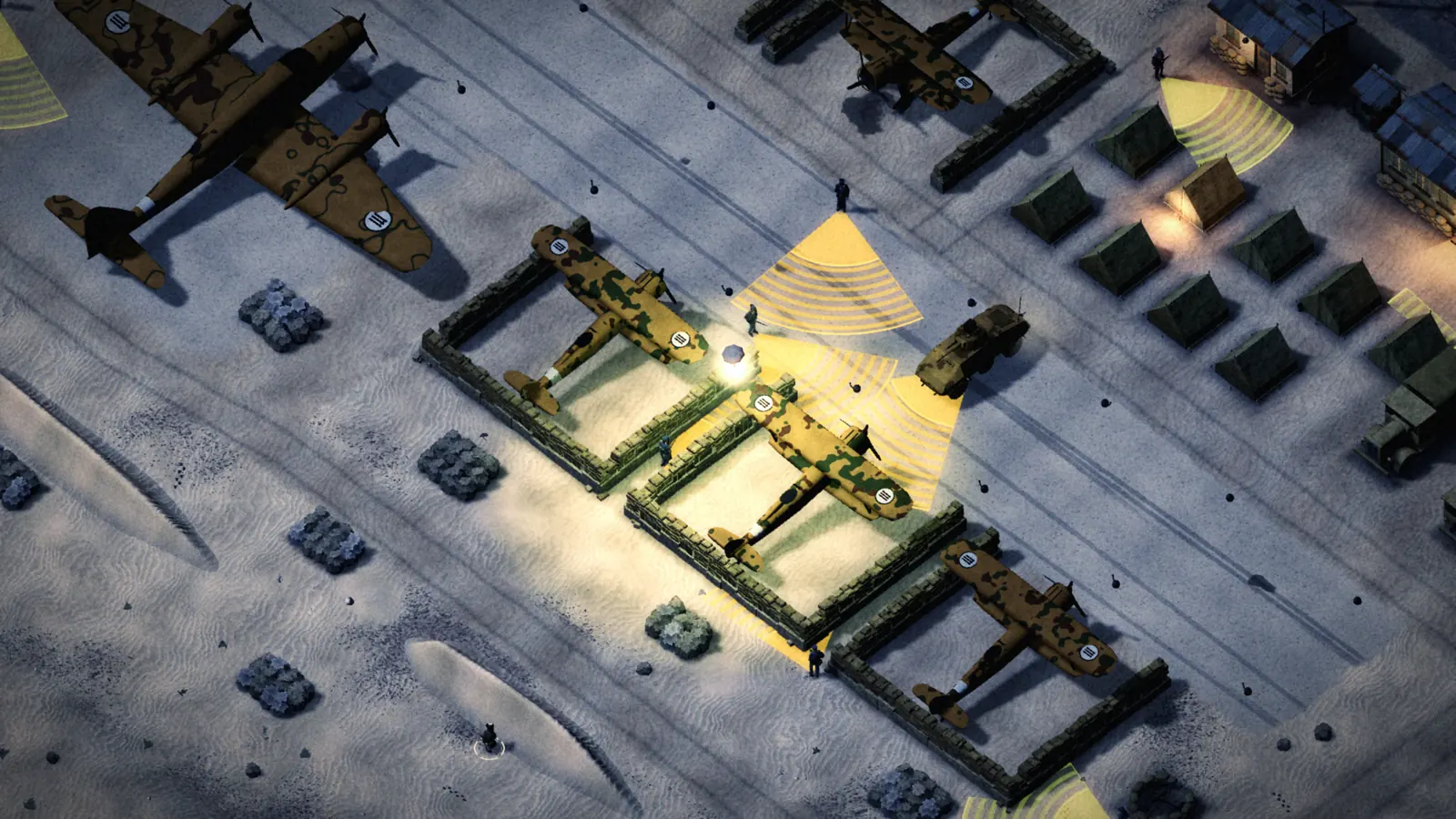
The Regia Aeronautica's men, on the taxiway, at the pens and the dumps. The first bomb turns them out of their tents: they think it is an air raid.
-
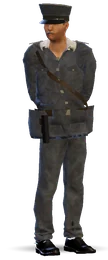
Duty officer
From the operations hut out to the north pens and back. He looks harder than his men.
Out in the dark
The machines
Built in the game after the real thing.
-
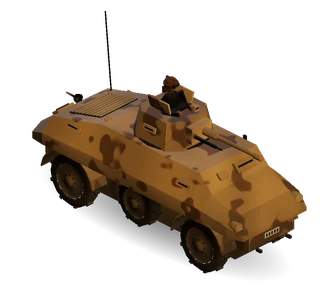
Autoblinda AB 41
The Italian armoured car drives its round of the perimeter track, a 20 mm Breda in its turret. No knife or rope can stop it: keep off the track when it comes round.
-
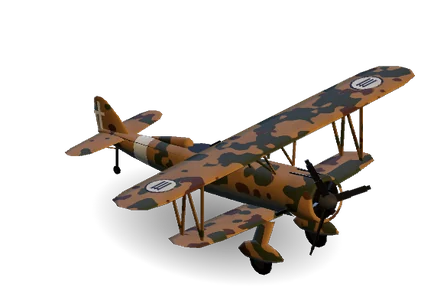
Fiat CR.42
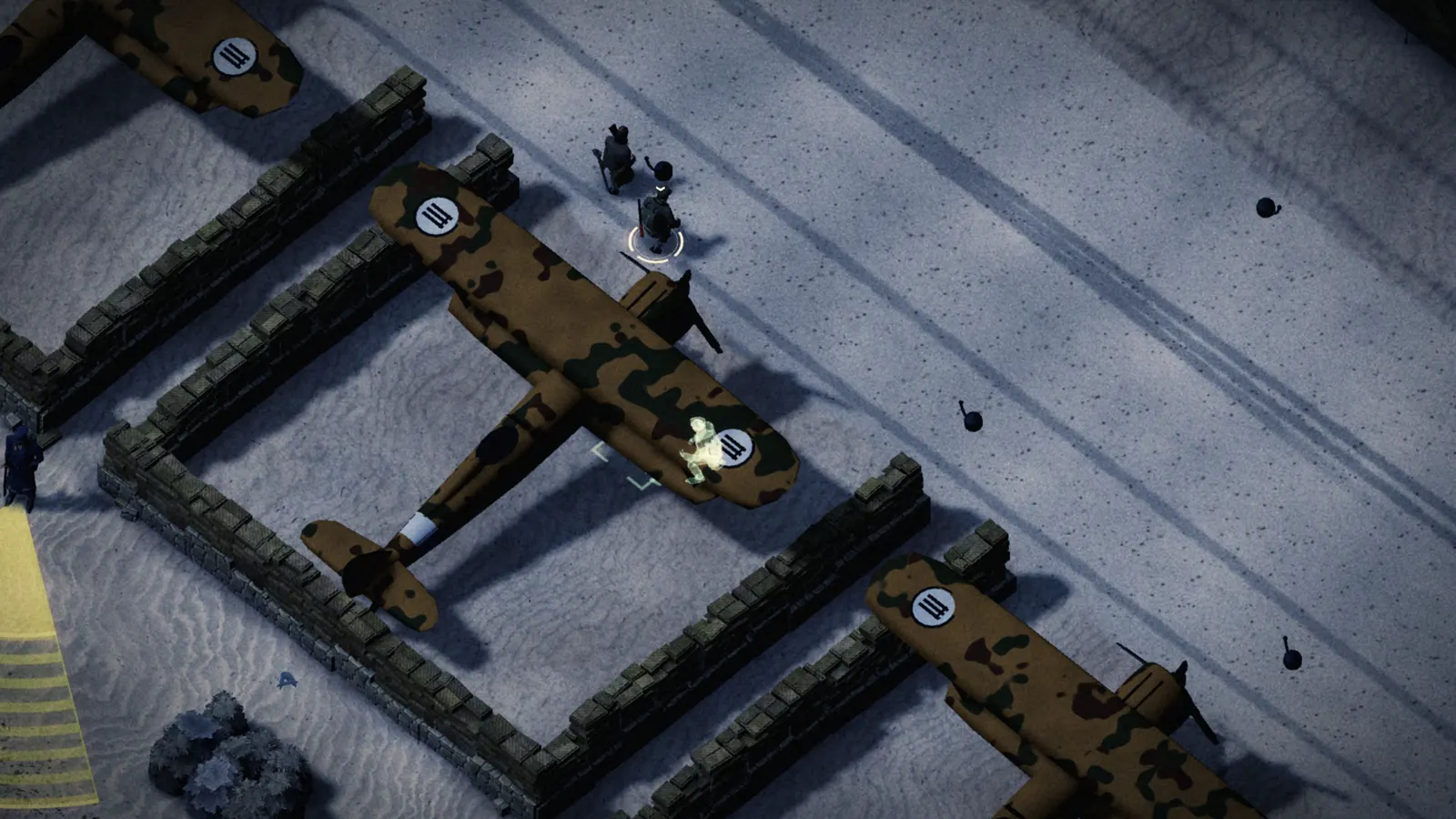
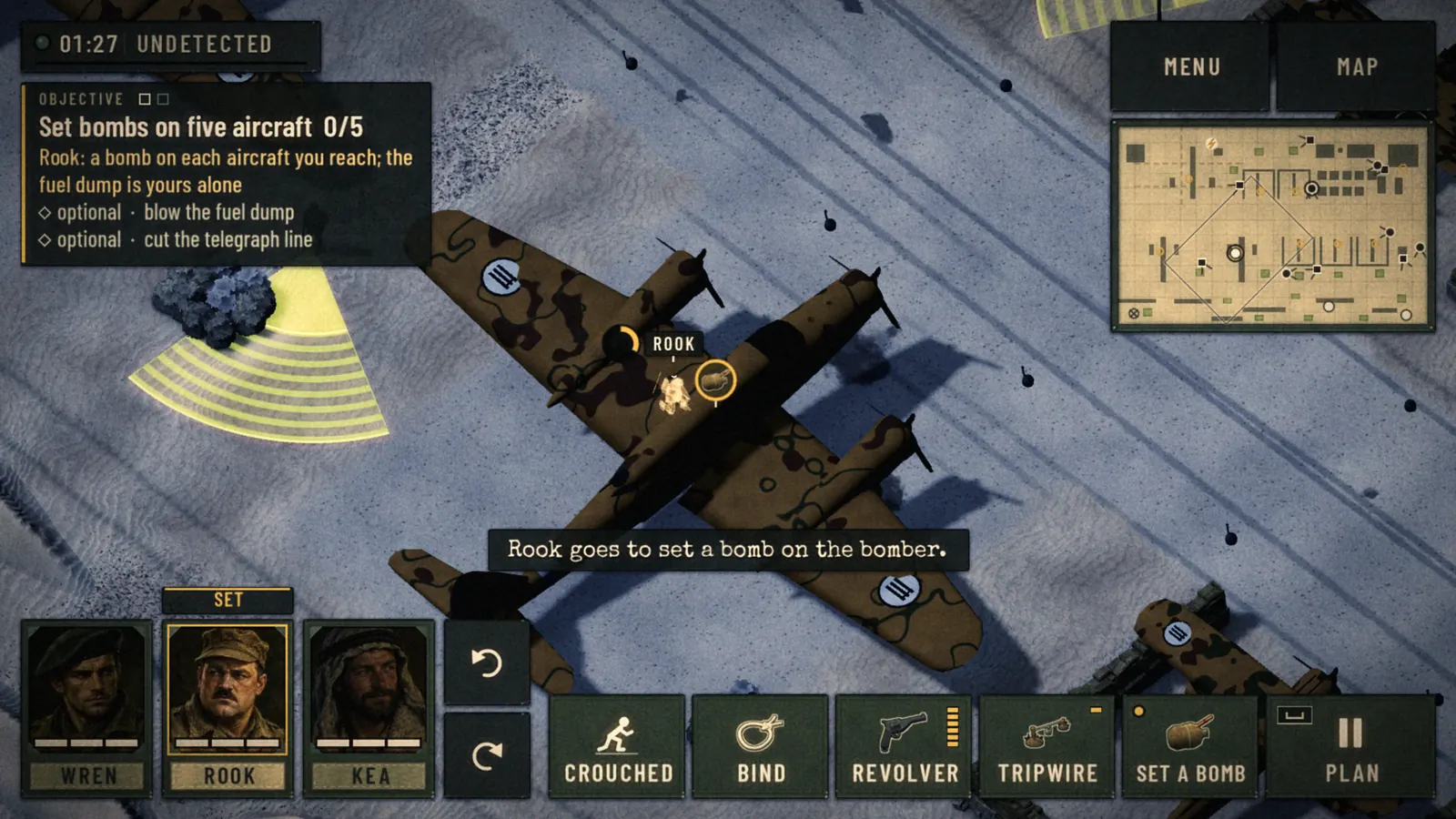
Biplane fighters, five of them in their stone pens. A Lewes bomb on the wing root, its time pencil crushed, and walk away.
-
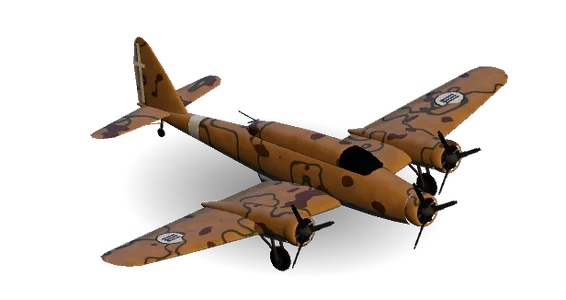
Savoia-Marchetti SM.79
Two three-engined bombers, the hump behind the cockpit, sprayed in rings of green and brown.
-
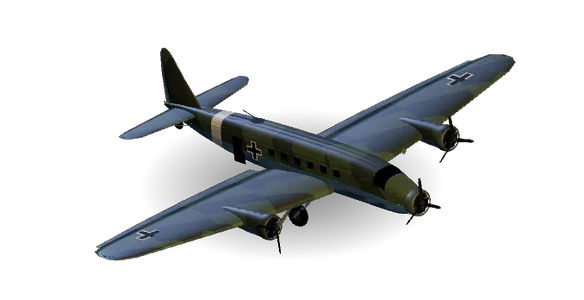
Junkers Ju 52
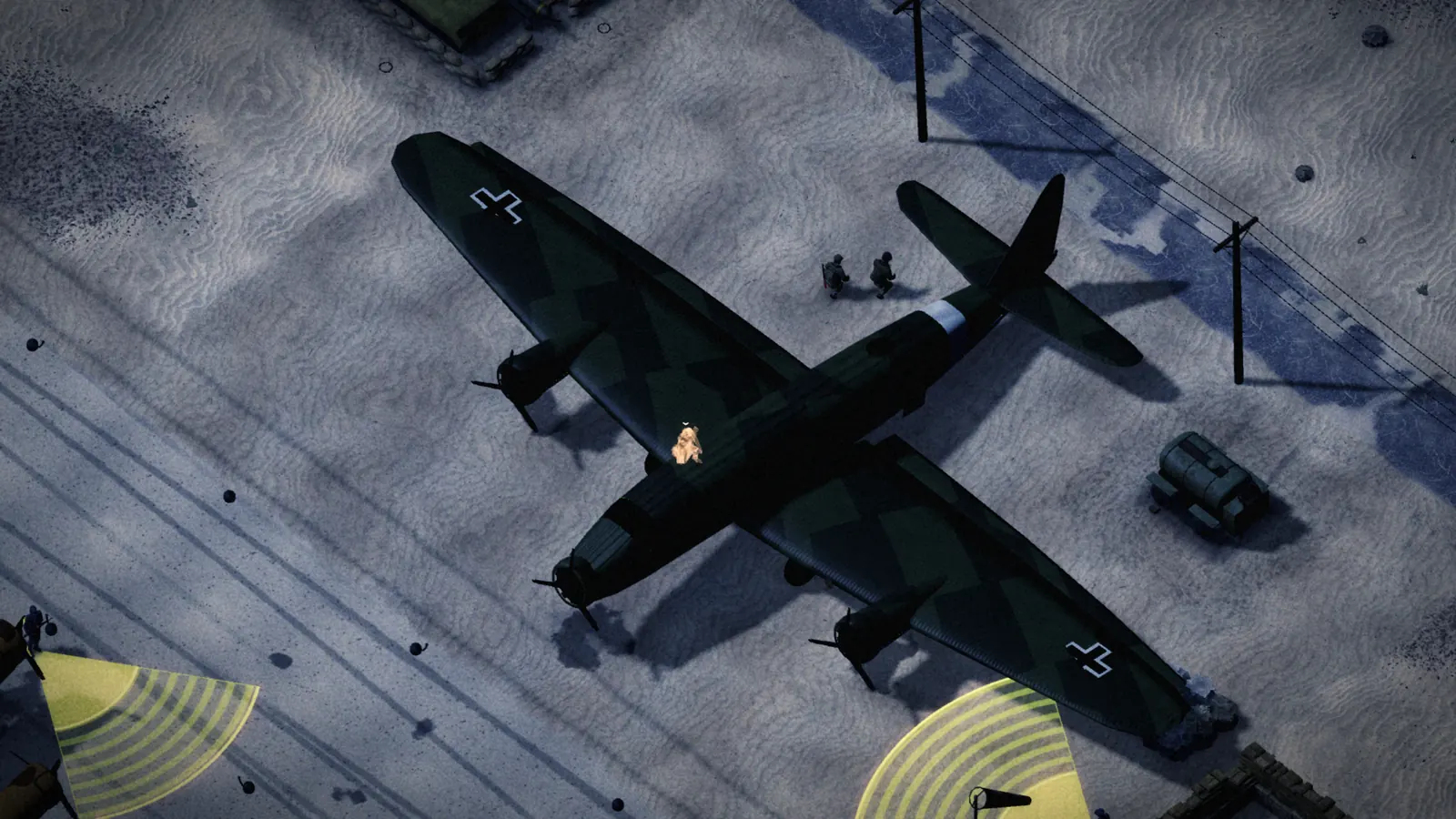
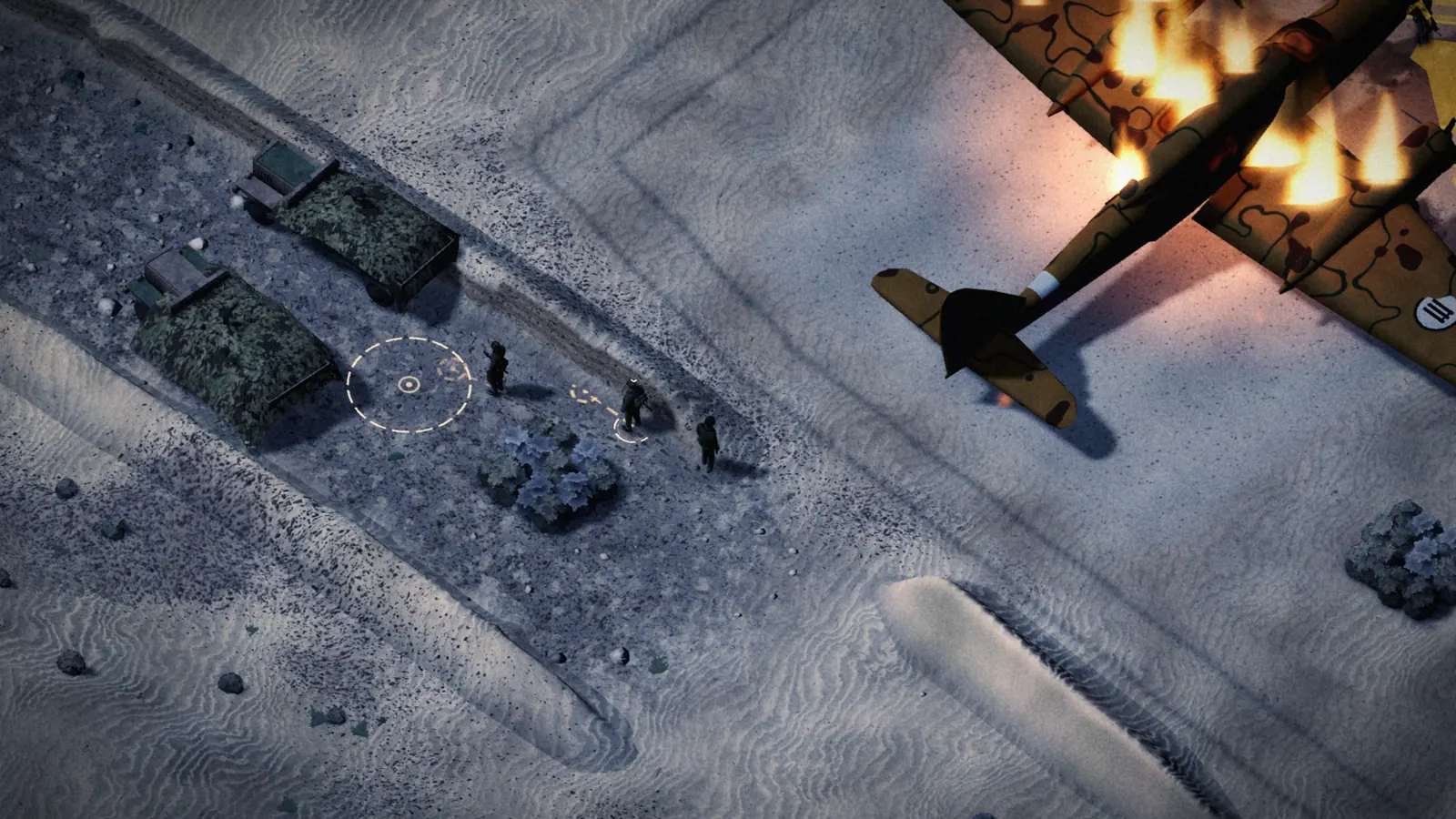
A transport comes in to land halfway through the night, the flare path lit along the strip for it, and parks at the west end: one more aircraft.
From above
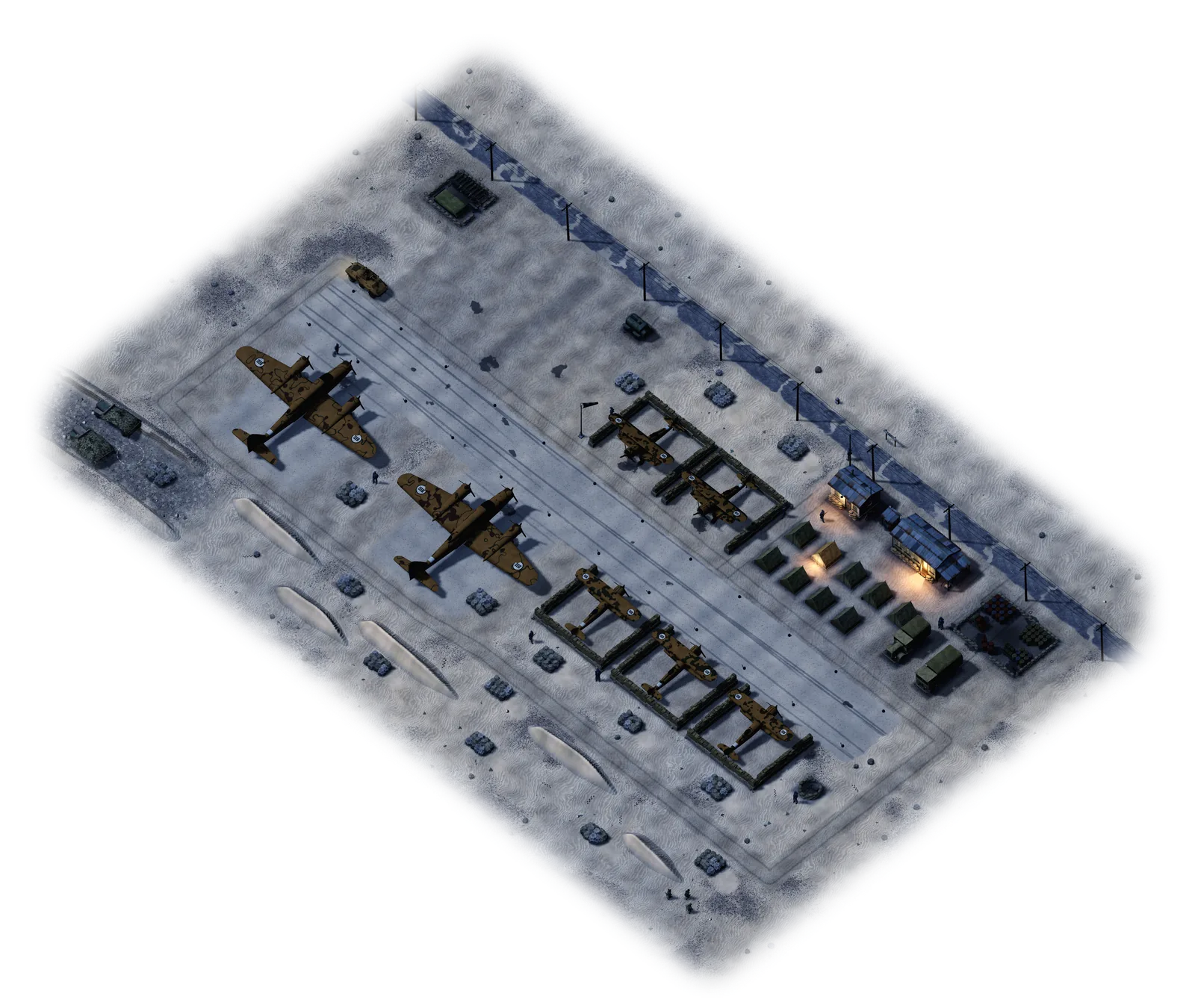
The whole ground
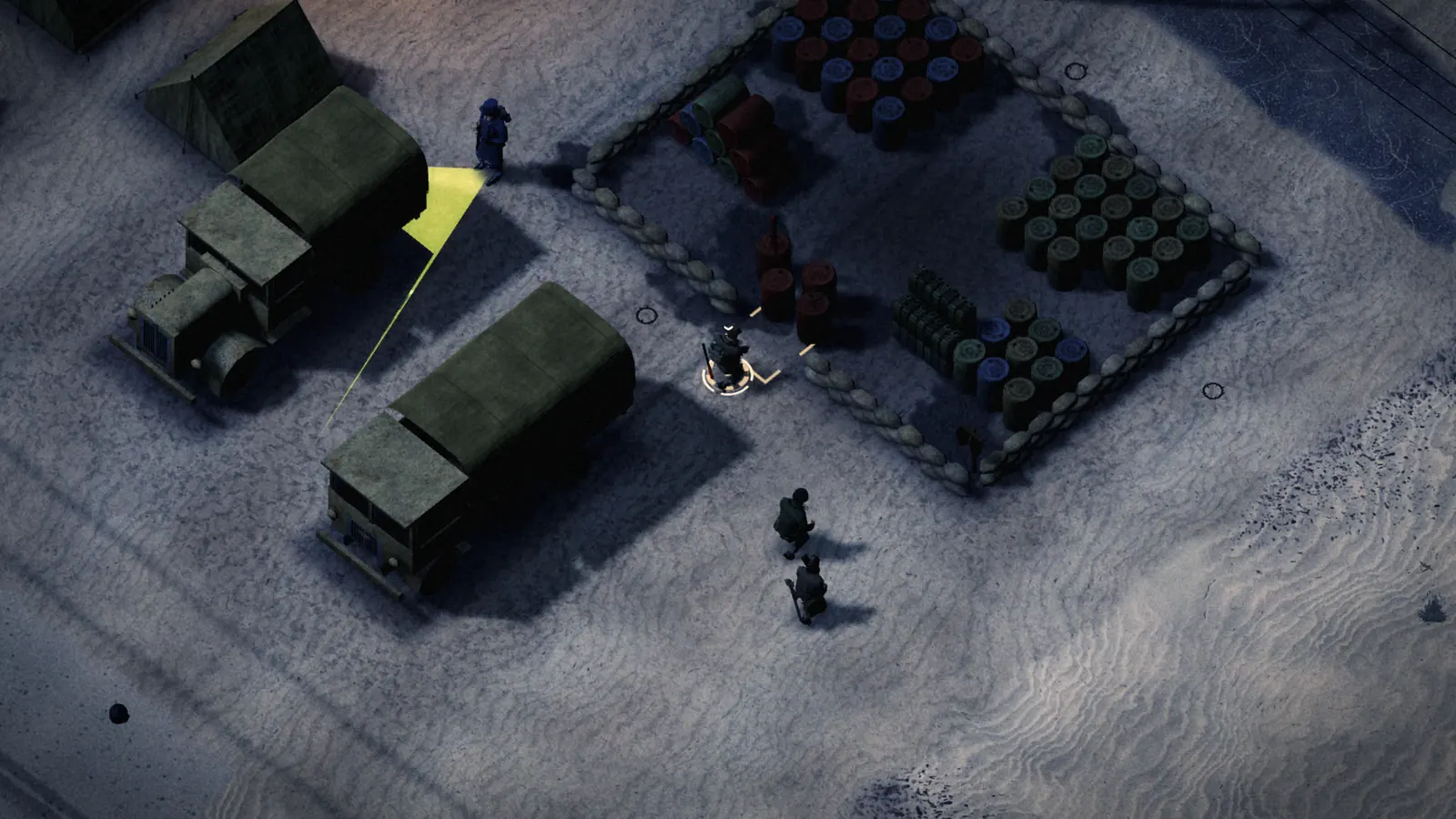
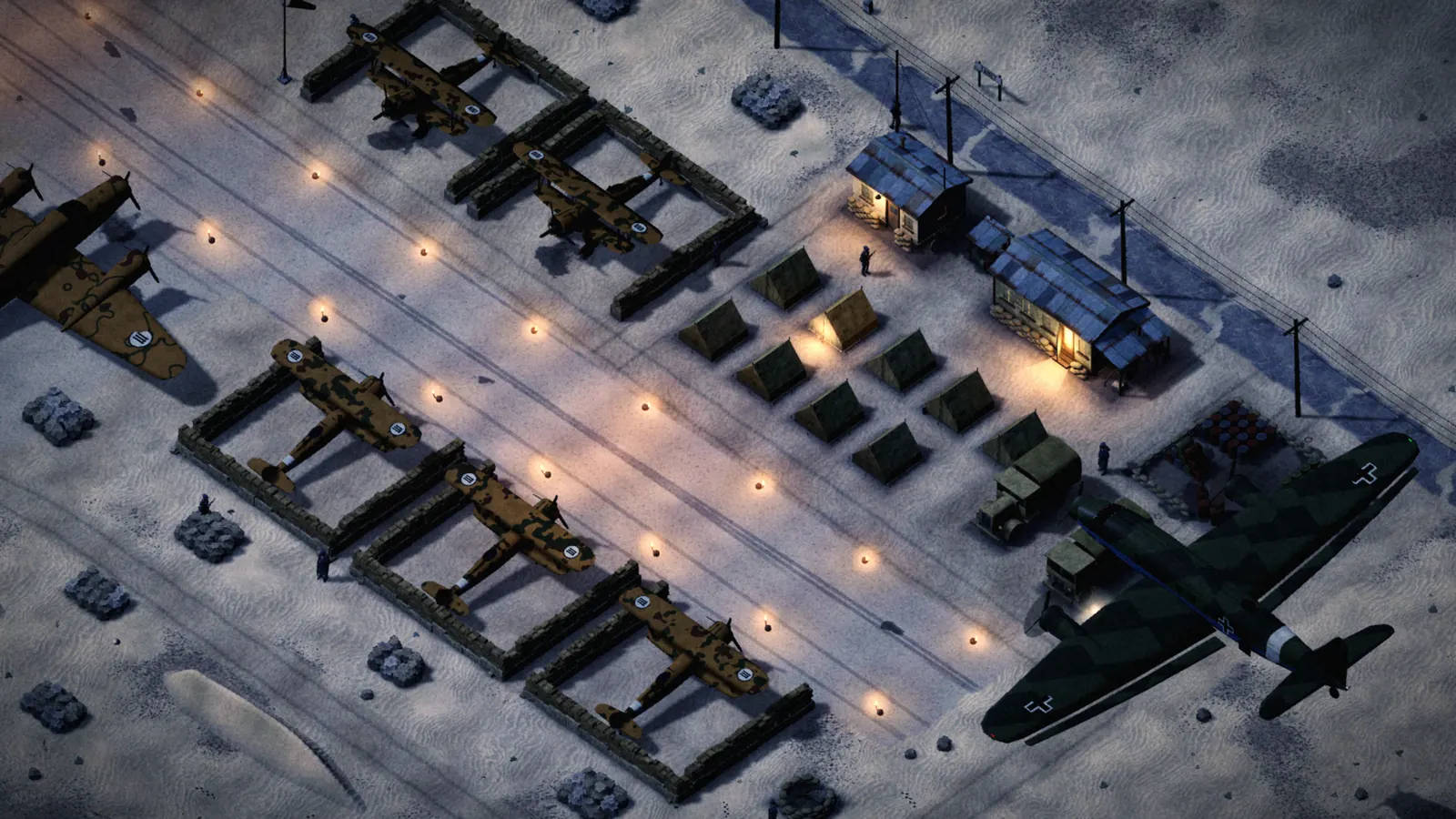
All of it at once, as the game draws it on the night: the squad at their start, the guards on their rounds. Drag it about, and zoom in on anything.
New in this operation
Four new tricks
-
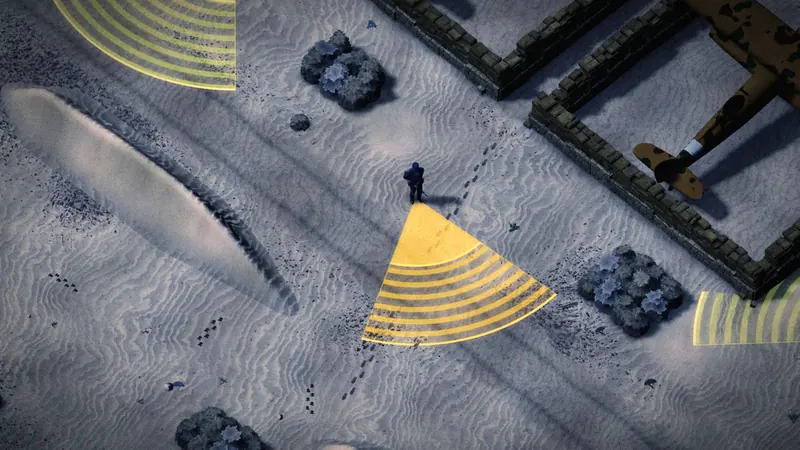
Footprints
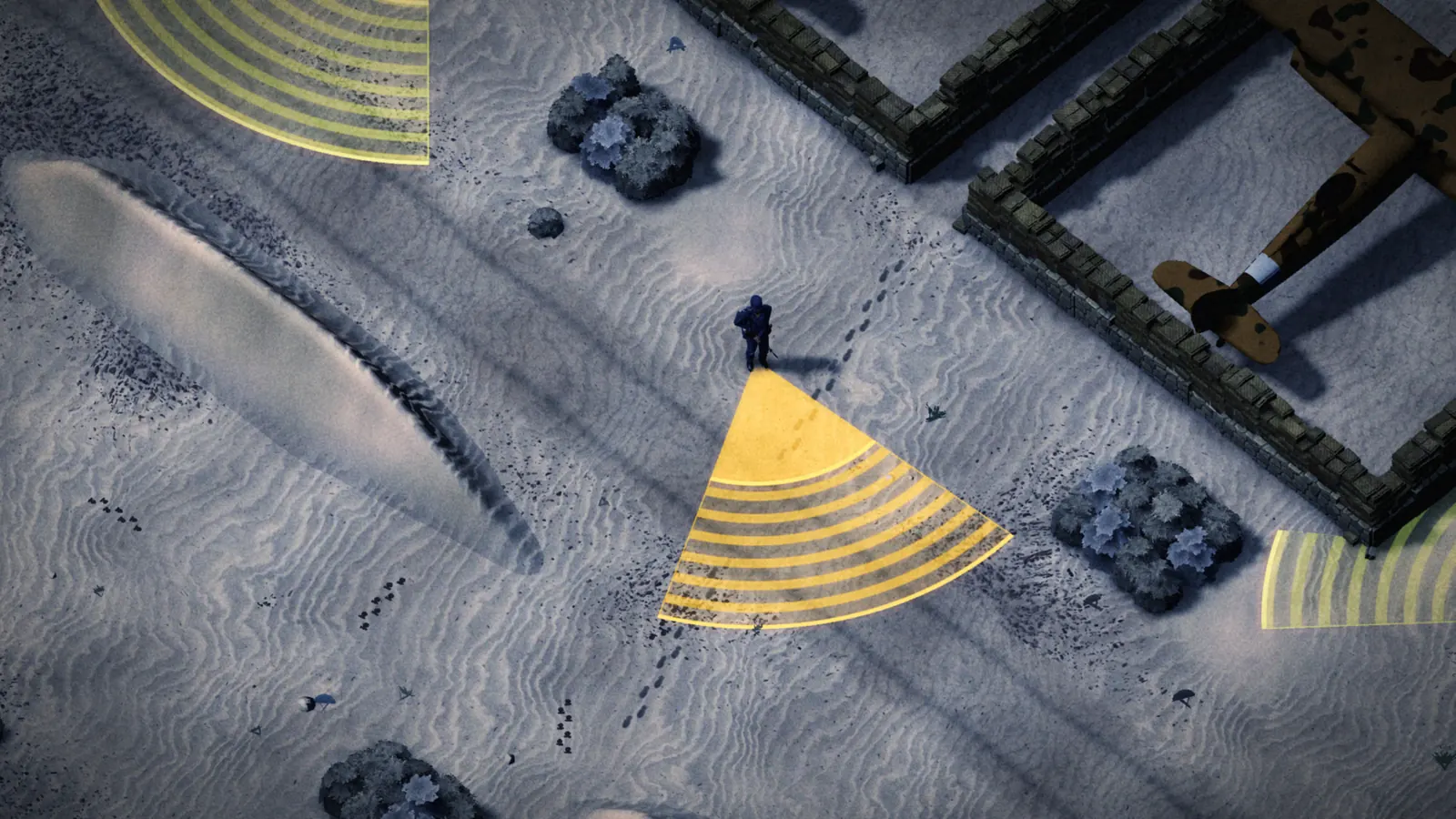
The sand keeps your footprints, and a guard who sees them follows them. The strip, the track, the road and the camp take none, and in time the wind fills the rest in.
-
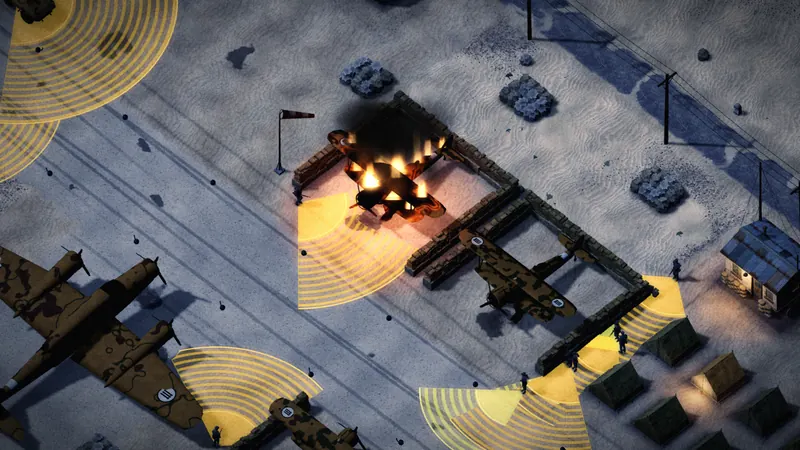
Time pencils
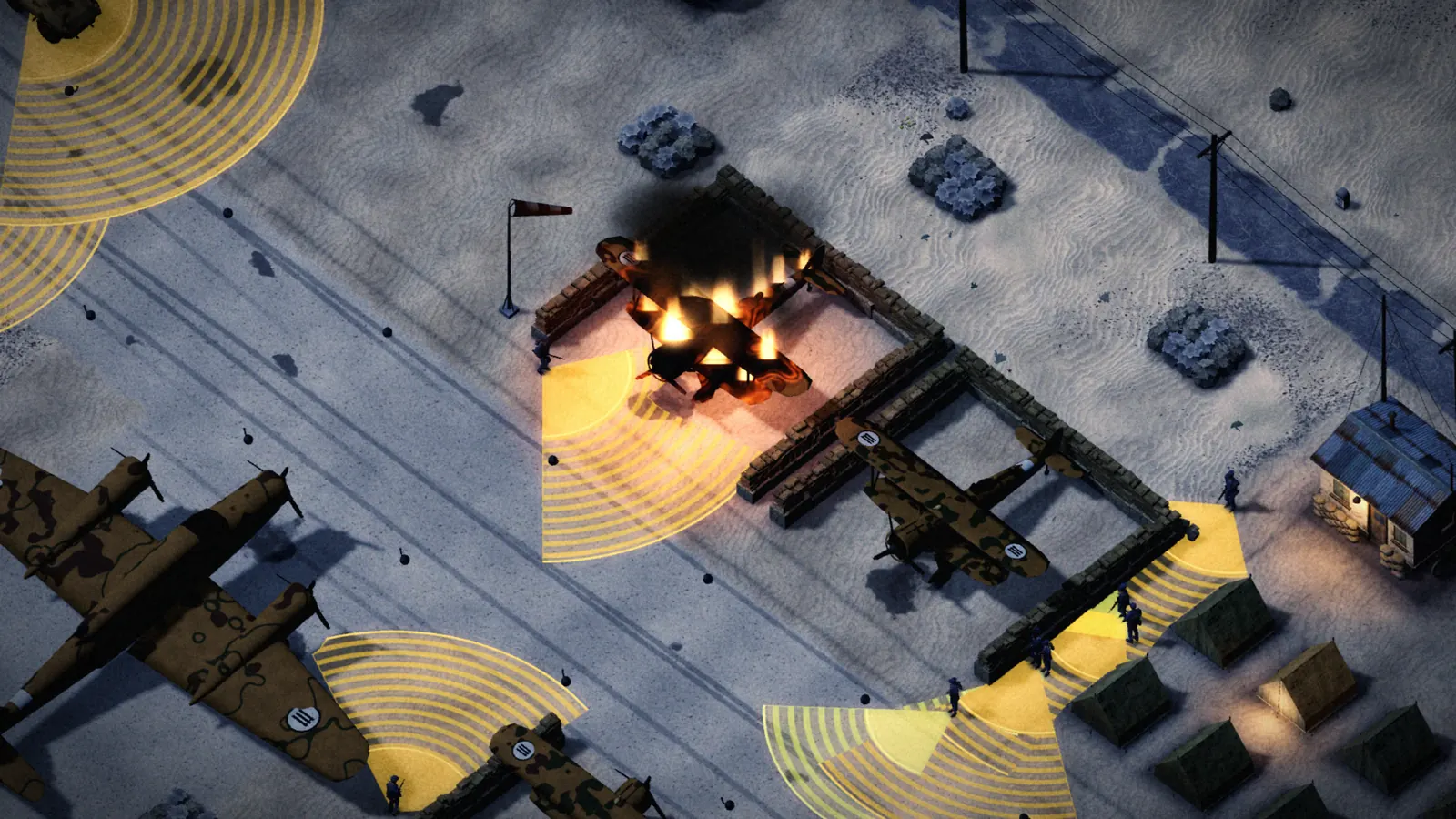
A bomb's time pencil is rough: it goes off a minute or so after it is set, sometimes sooner. The first turns the airmen out of their tents, and a burning aircraft lights the ground round it.
-
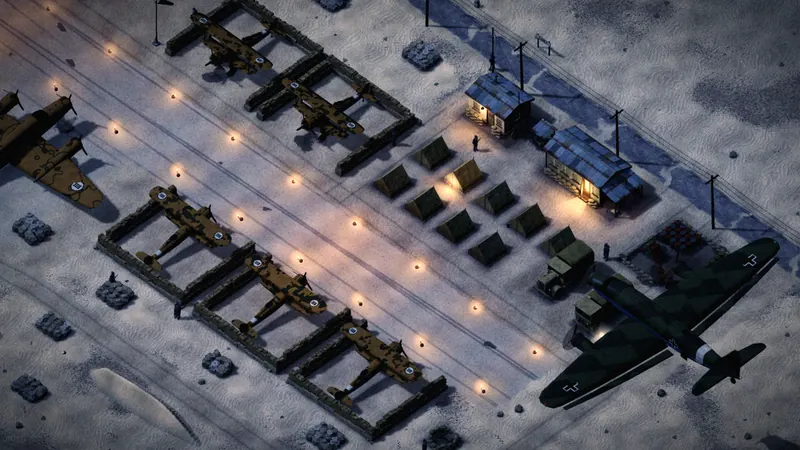
The landing
At 1:40 a transport comes in to land, and the flare path is lit along the strip. Its engines drown a shot, and once it stands on its stand it can take a bomb too.
-
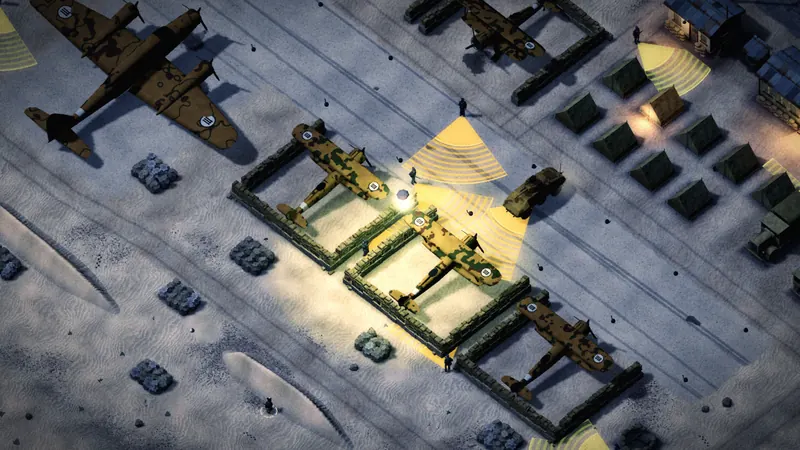
A Very light
Kea's Very pistol sends a flare far off: the guards and the armoured car go to look where it comes down, and the ground there is lit for a few seconds.
From the field

1:00
A minute or so
In the game each pencil keeps its own time, from thirty-five seconds to a minute and a quarter. That night the bombs went off one after another for half an hour. By morning the aircraft at Tamet were burnt-out frames, and the raiders were deep in the desert again.
-
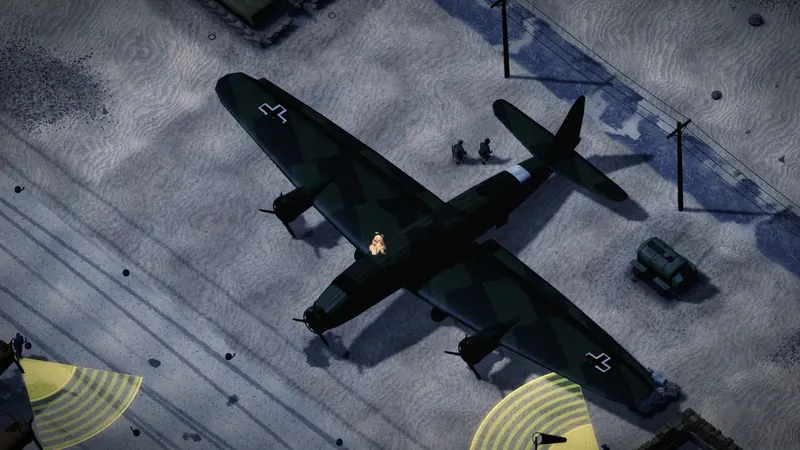
The transport. Once it has landed, one more for the bombs. -
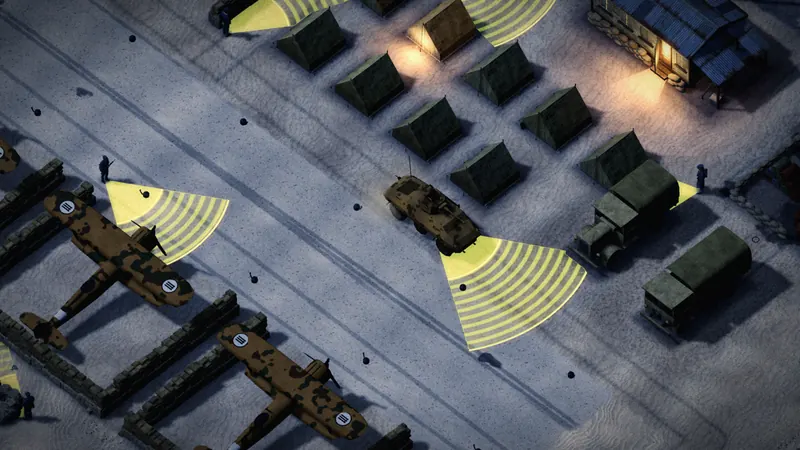
The armoured car. No knife or rope can reach it. -
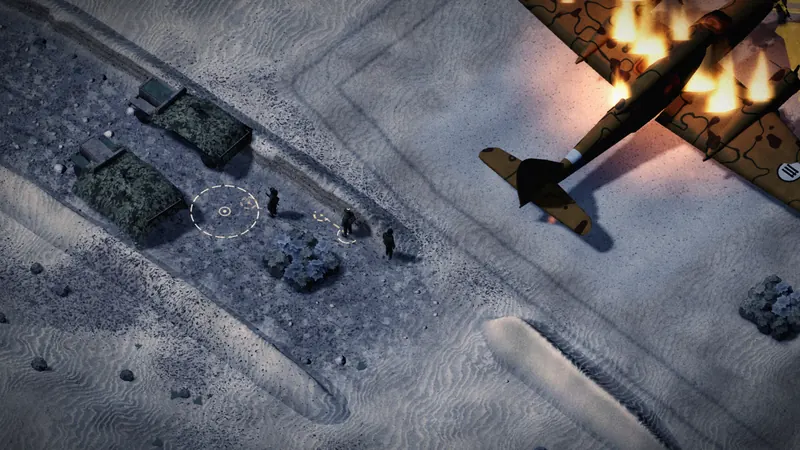
The wadi. The trucks pull out without lights.
Saboteurs / Field operations The real story
The real raid · 14 December 1941
L Detachment at Tamet
Paddy Mayne's party, brought in from the desert by the Long Range Desert Group.
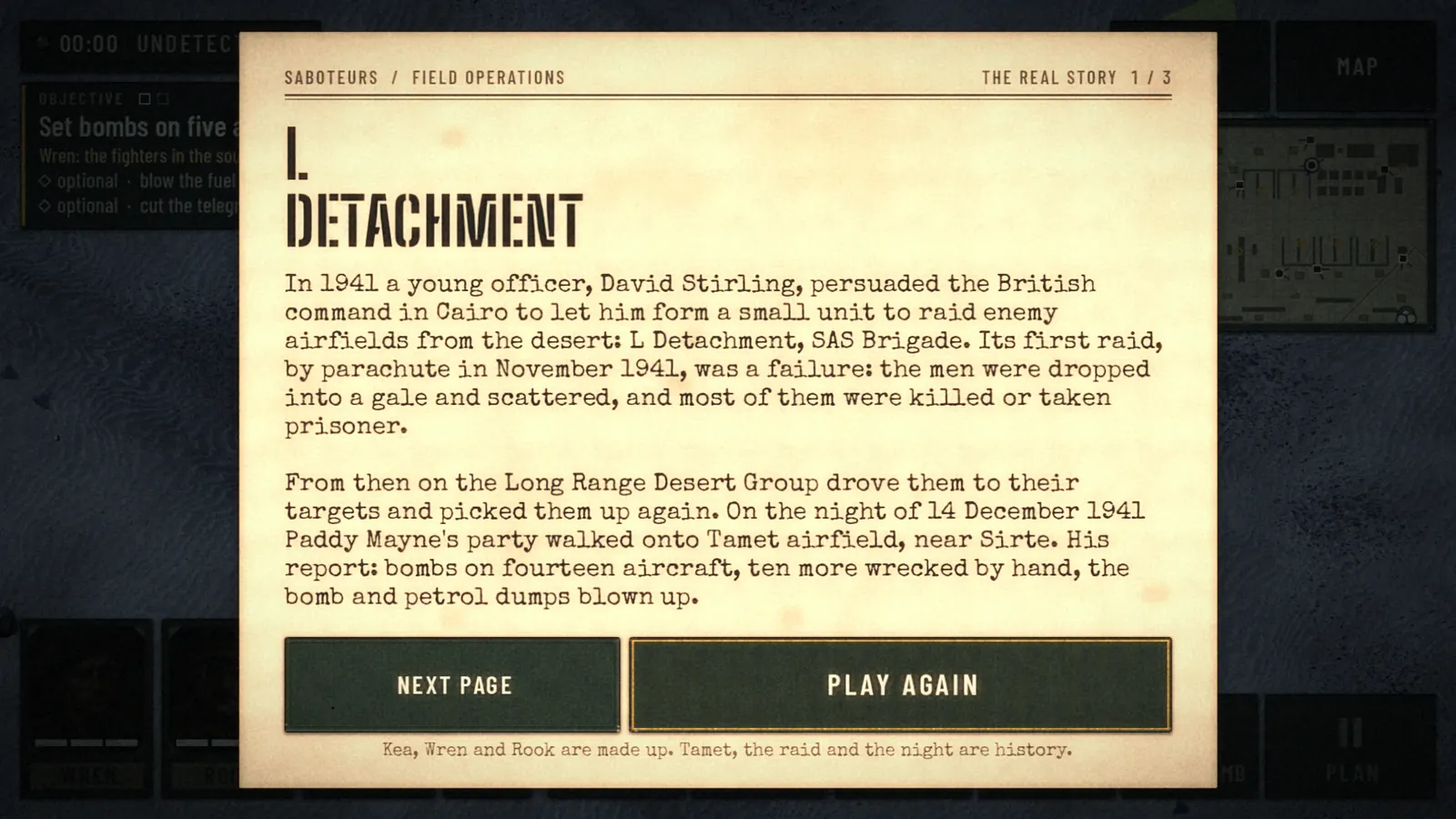
In 1941 a young officer, David Stirling, persuaded the British command in Cairo to let him form a small unit to raid enemy airfields from the desert: L Detachment, SAS Brigade. Its first raid, by parachute in November 1941, was a failure: the men were dropped into a gale and scattered, and most of them were killed or taken prisoner.
From then on the Long Range Desert Group drove them to their targets and picked them up again. On the night of 14 December 1941 Paddy Mayne's party walked onto Tamet airfield, near Sirte. His report: bombs on fourteen aircraft, ten more wrecked by hand, the bomb and petrol dumps blown up.
We took liberties. Kea, Wren and Rook are made up, and the field is drawn small: a night's work for three. Tamet, the raid and the night are history.
-
The Lewes bomb
Jock Lewes, one of Stirling's first officers, made the bomb they used: about a pound of plastic explosive worked up with thermite and oil, so that it blew a hole and set the fuel alight at once. A time pencil set it off.
Time pencils were only roughly timed. After one raid that December a party reported that their thirty-minute pencils had gone off in eighteen minutes, in the warmth of the night.
-
The navigators
The Long Range Desert Group found its way by sun compass by day and by the stars at night. Many of its men were New Zealanders and Rhodesians.
-
The cost
The raids were paid for. Jock Lewes was killed on 30 December 1941, when a German aircraft caught his party in the open on the way back from a raid. Many of the first men of L Detachment did not see the end of the war.
The aircraft burnt in the desert were Italian and German, and so were the men who guarded them.
Paddy Mayne went on to command the SAS in Europe and came home in 1945.
In memory of Jock Lewes, and of the men of L Detachment who did not see
the end of the war.
Read about Paddy Mayne
Saboteurs · In beta on iPhone, Android and the web
Crush the pencils
Saboteurs is in beta on iPhone, Android and the web. Tamet is the sixth operation, and you can play it in your browser.
- iPhone Now in beta
- Android Now in beta
- Web Now in beta