
Field operations · File 03
New operation
Operation
Gunnerside
Vemork, Norway · 27 February 1943 · 23:50
All four go in. A rope down the gorge, a gate under the searchlight, and thirty seconds to get clear.
The briefing
One plant. One night.
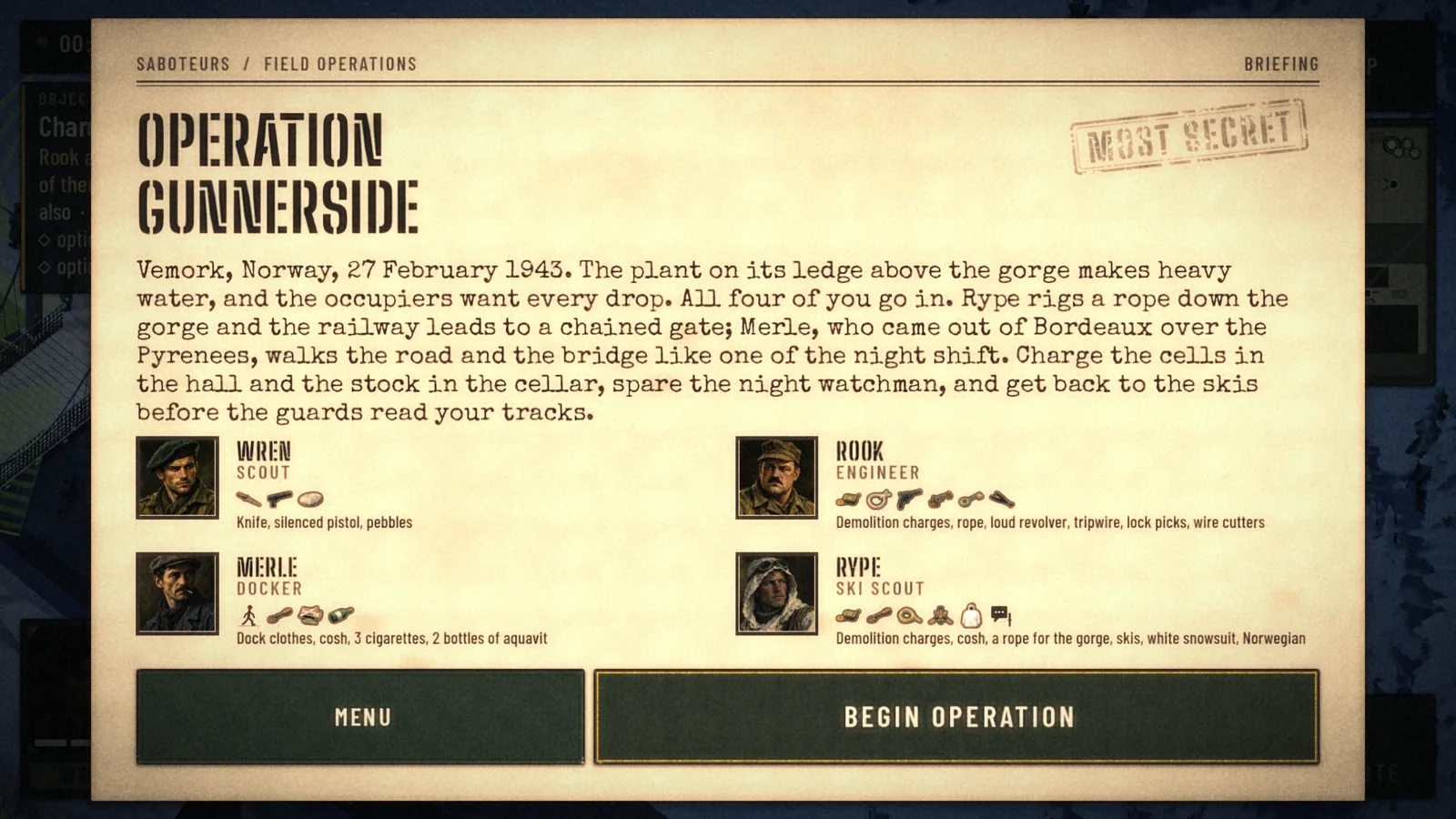
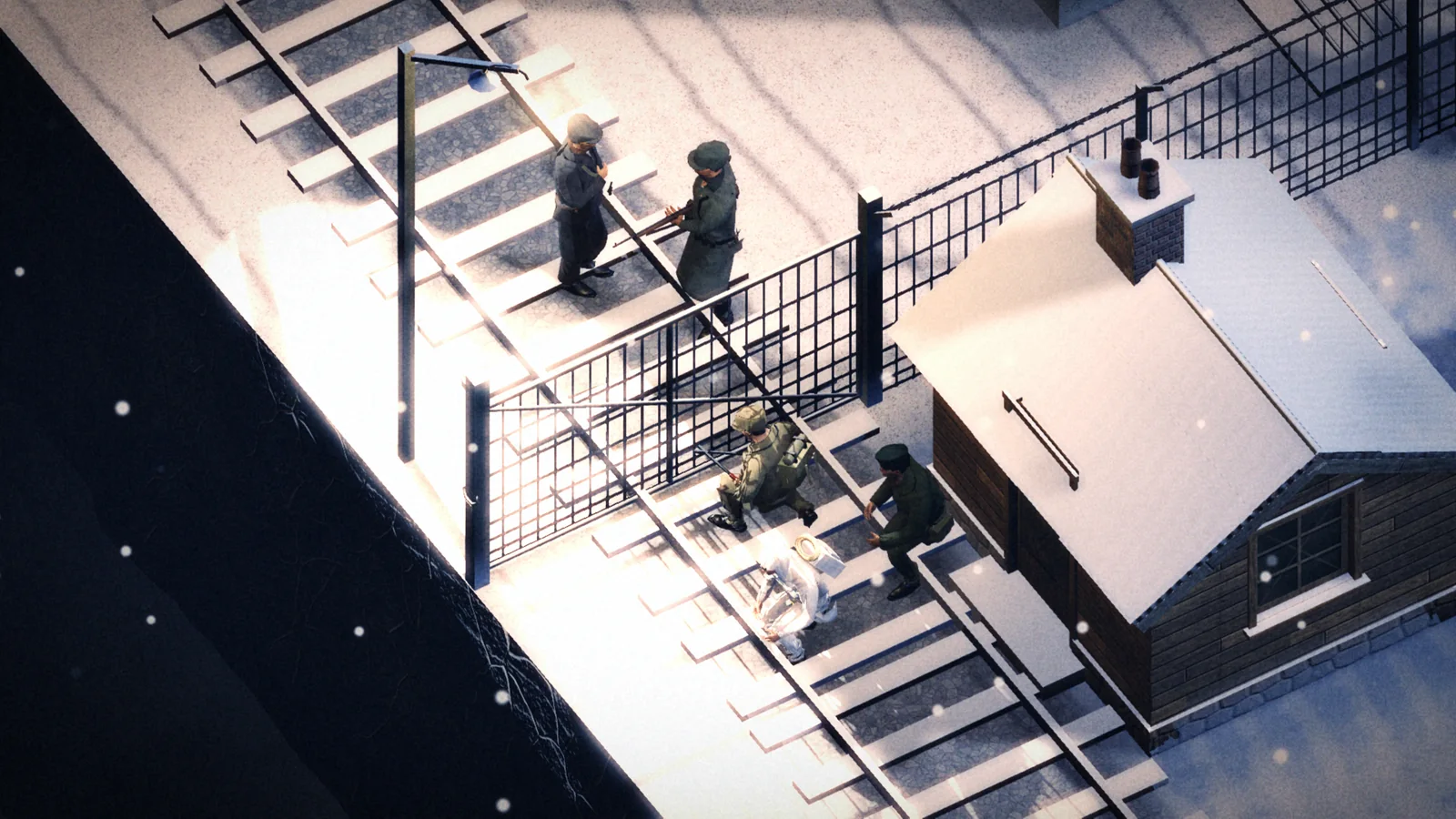
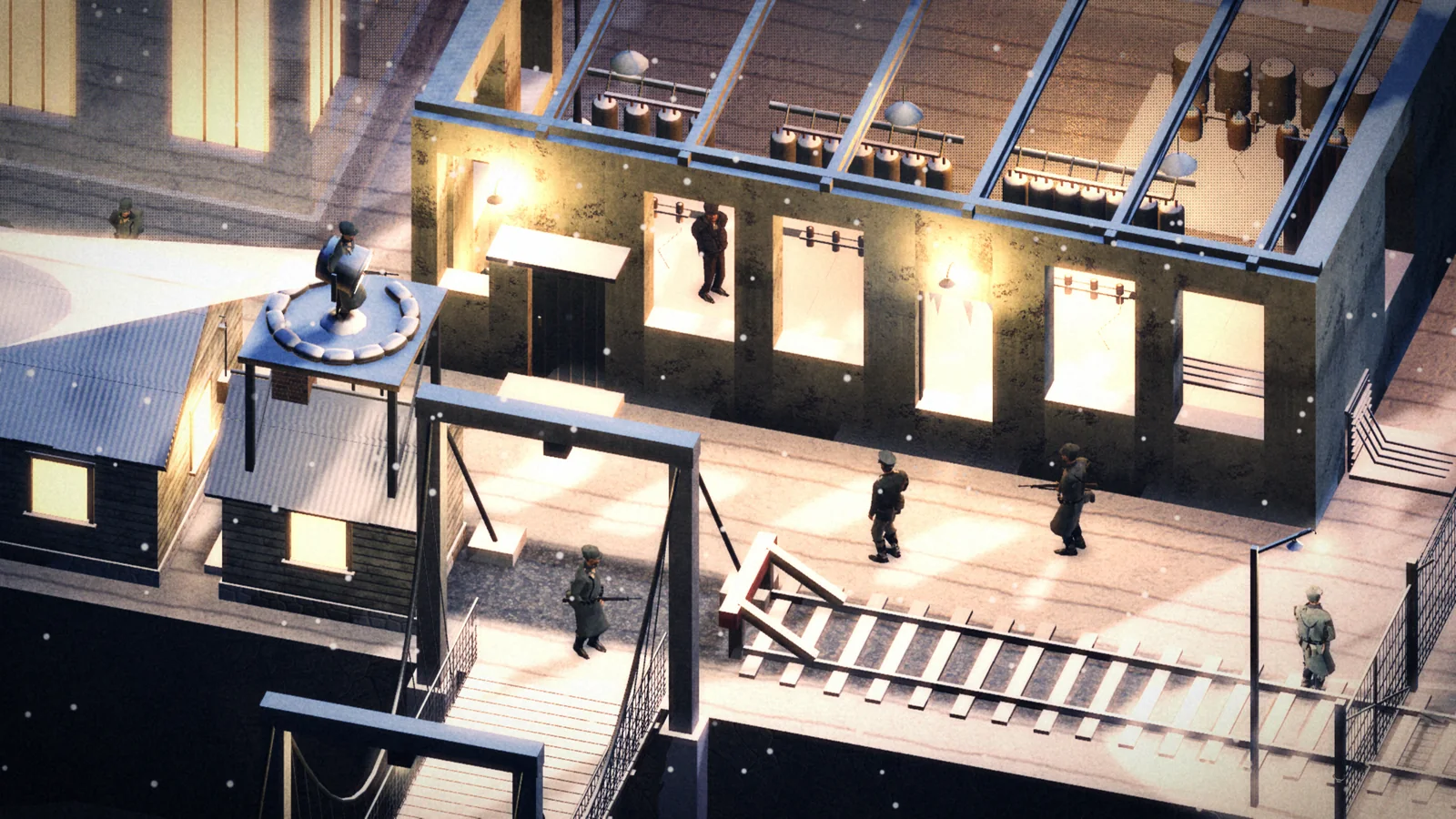
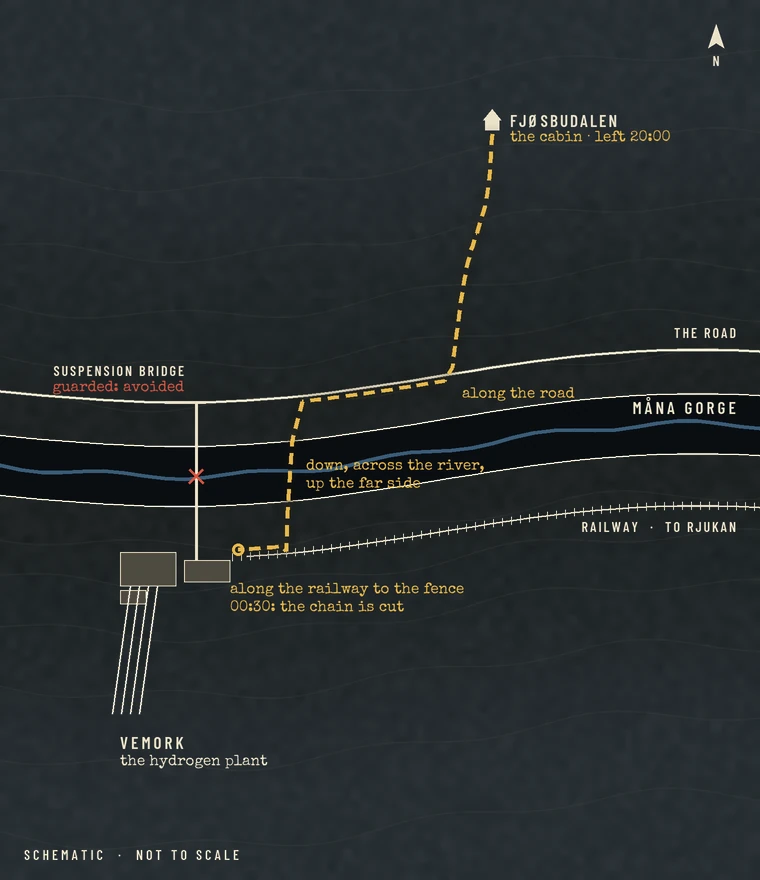
Vemork, Norway, 27 February 1943. The plant on its ledge above the gorge makes heavy water, and the occupiers want every drop. All four of you go in. Rype rigs a rope down the gorge and the railway leads to a chained gate; Merle, who came out of Bordeaux over the Pyrenees, walks the road and the bridge like one of the night shift. Charge the cells in the hall and the stock in the cellar, spare the night watchman, and get back to the skis before the guards read your tracks.
- Charge the heavy-water cells Rook and Rype carry the charges: three along the cells in the hall.
- Charge the stock in the cellar The cellar door is locked: Rook picks it, then two charges on the drums.
- Cut the telephone line Optional An alarm then calls out no more men, and dies down sooner.
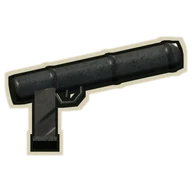
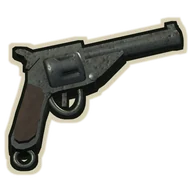
- Leave the gun behind Optional So whoever finds it knows soldiers did this, not the people of the valley.
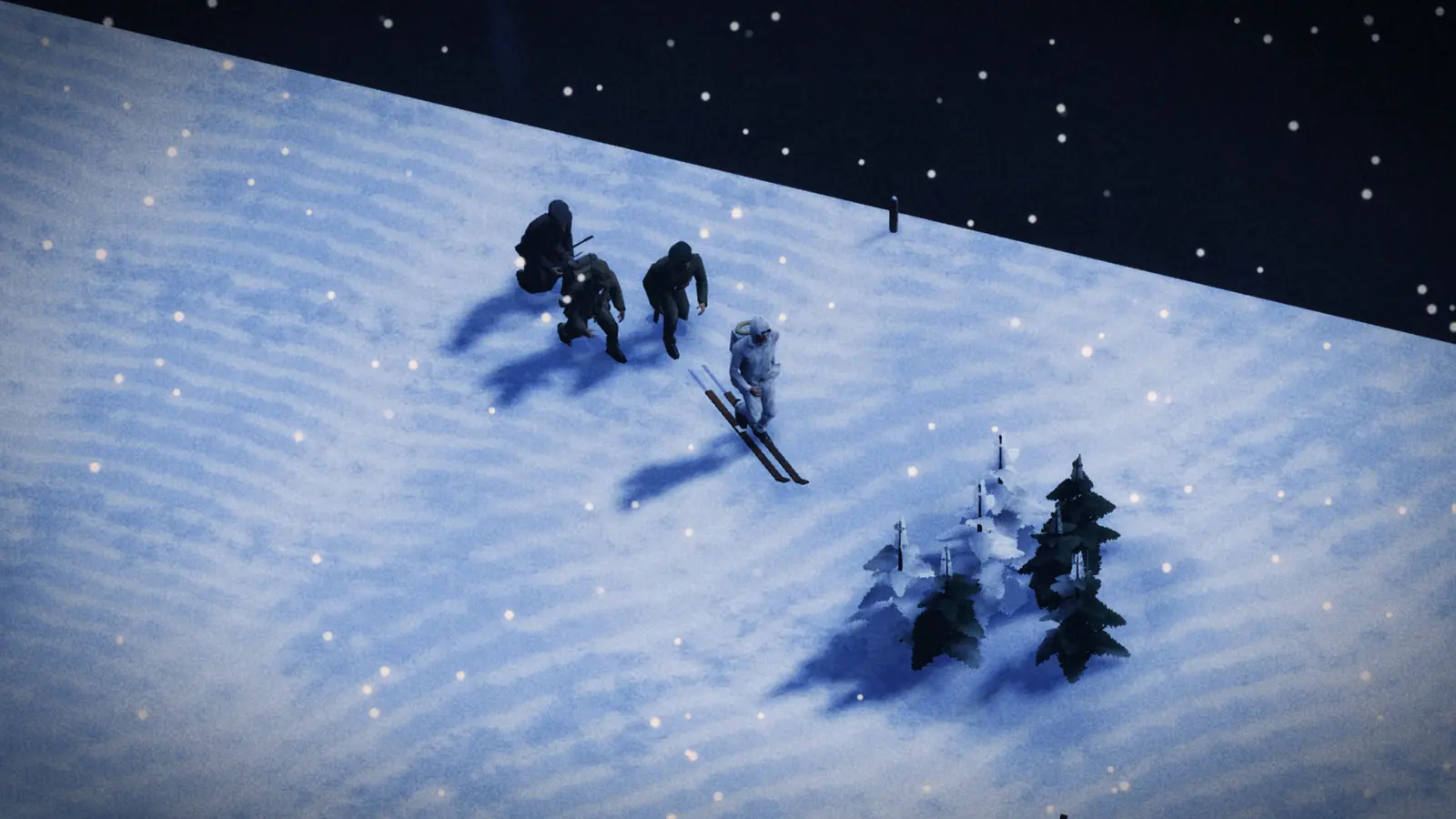
- Back to the skis All four up the gorge to the skis in the pines. Merle can take the bridge.
Lose any of the four and the raid is over. The third operation, and the hardest yet.
The squad
Four go in
-
Wren
Scout
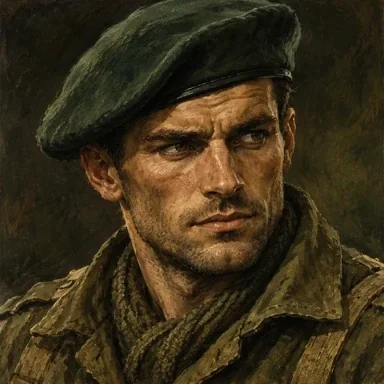
Goes in through the cable duct on the plant's dark west side: the grille off, then a slow crawl. A pebble thrown past a sentry turns his head.
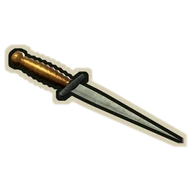
Kit Knife, silenced pistol, pebbles
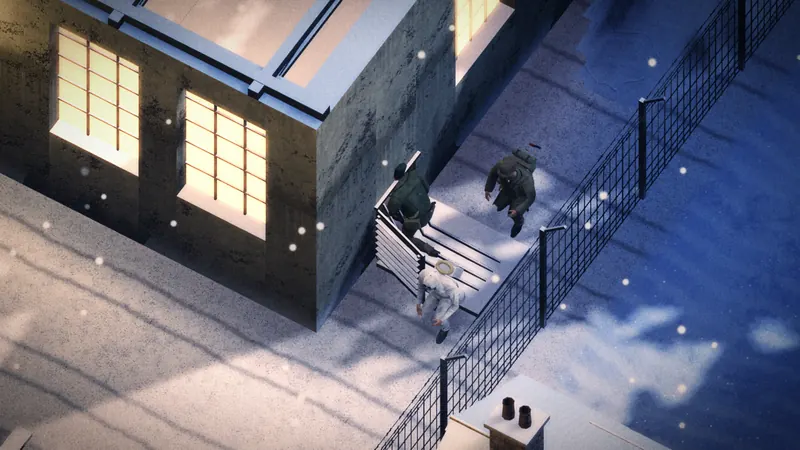
The cable duct. Off with the grille, then in on the belly, slowly. -
Rook
Engineer
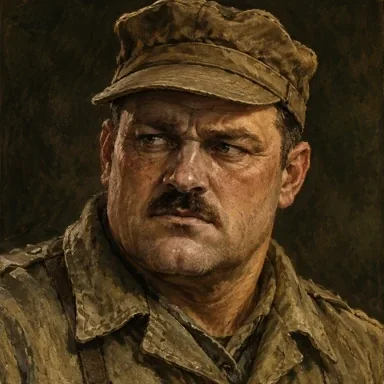
Cuts the chain on the railway gate, picks the cellar door, and can take the hall's window out without a sound. He and Rype carry the charges.
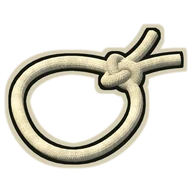
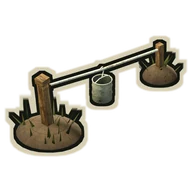
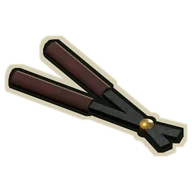
Kit Demolition charges, rope, revolver, tripwire, lock picks, wire cutters
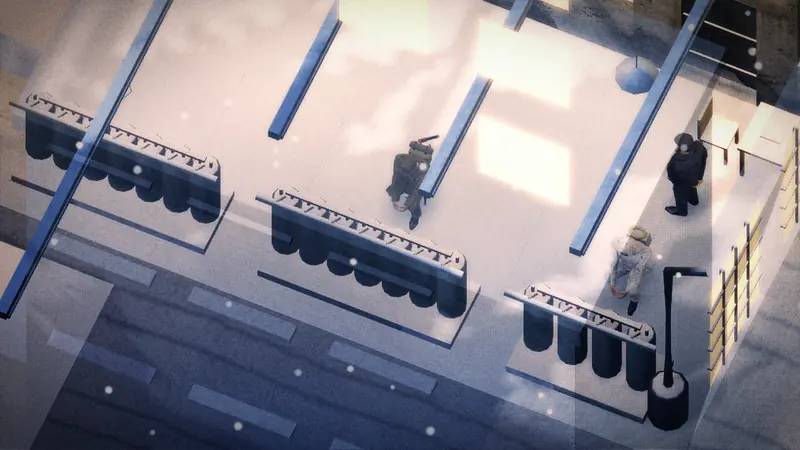
In the hall. A charge along each row of cells, three in all. -
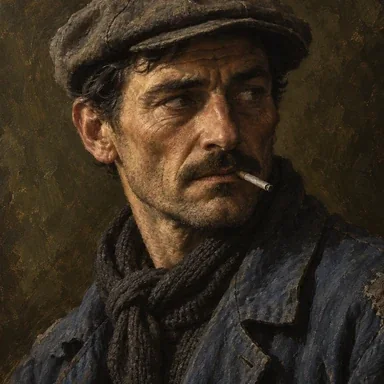
Merle
Docker · the night shift
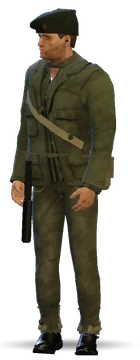
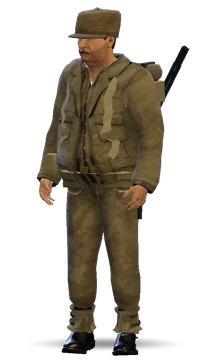
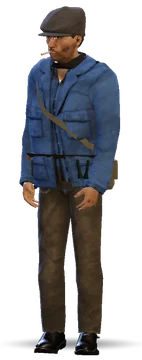
Out of Bordeaux over the Pyrenees. On the road, the bridge, the railway and the yard the guards take him for the night shift; off them, or inside the plant, he is a stranger. The sergeant knows the shift by face.
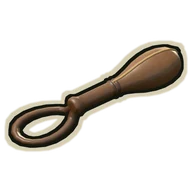
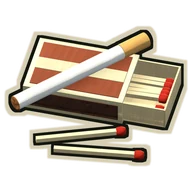
Kit Dock clothes, cosh, 3 cigarettes, 2 bottles of aquavit
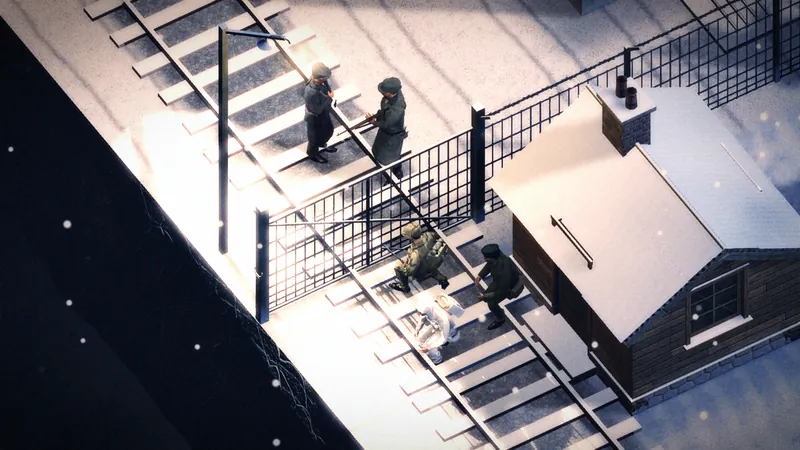
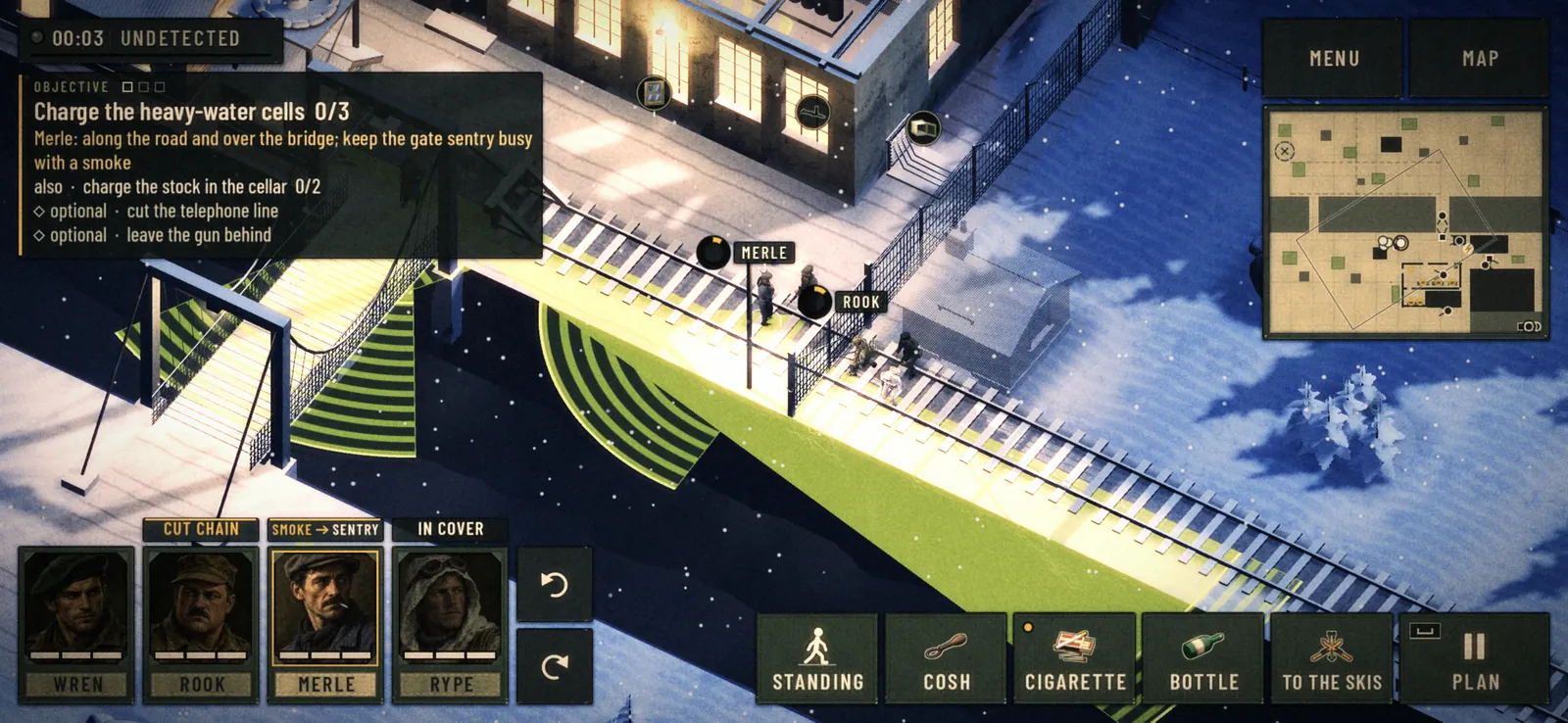
One cigarette. The sentry turns to face Merle, and Rook cuts the chain behind his back. -
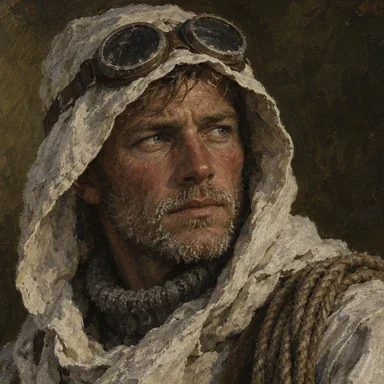
Rype
New
Ski scout
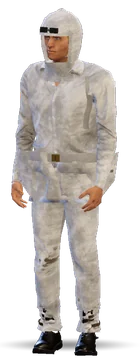
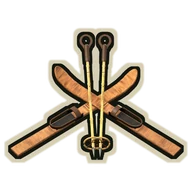
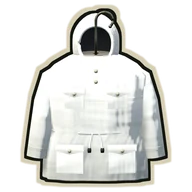
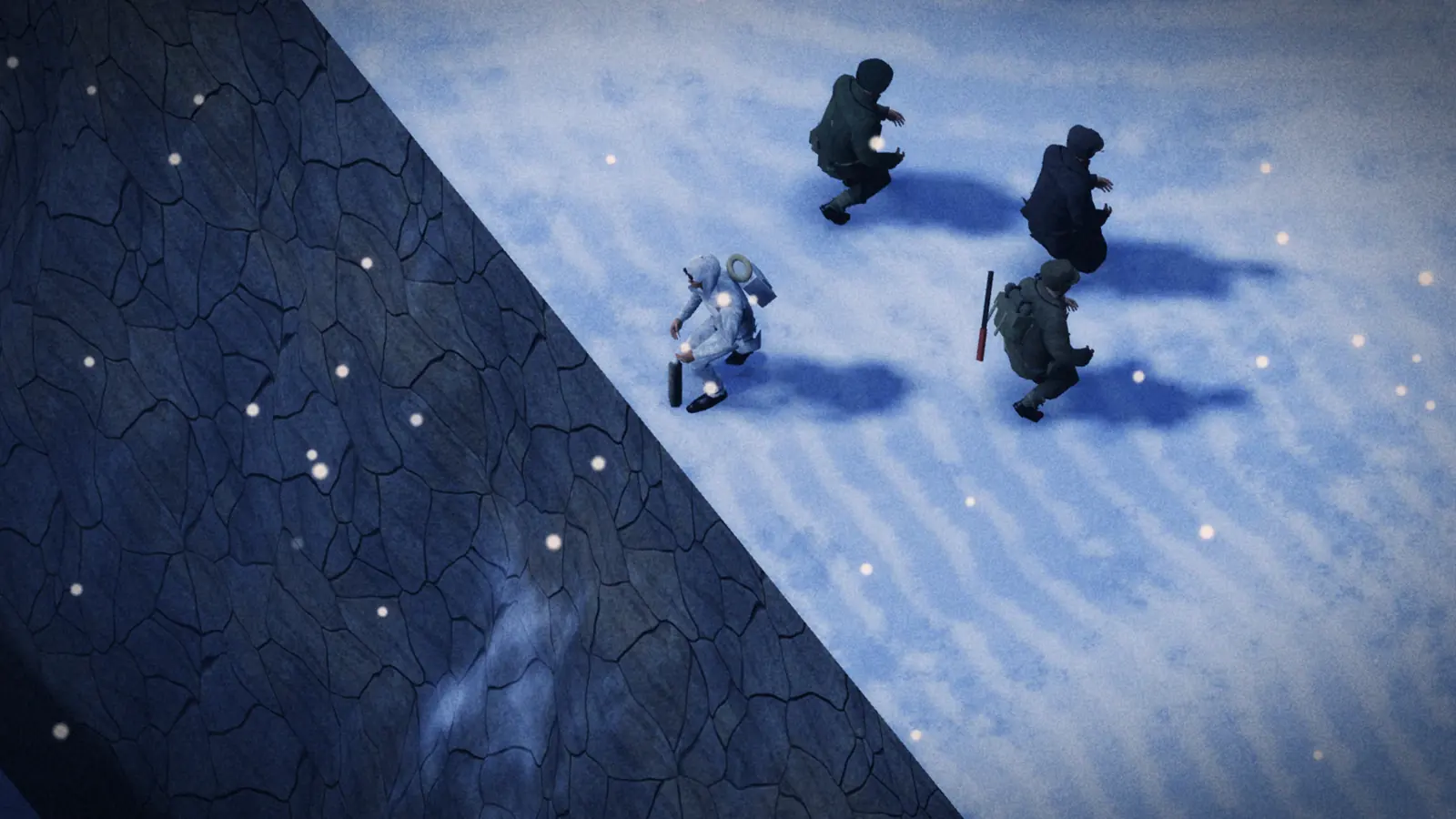
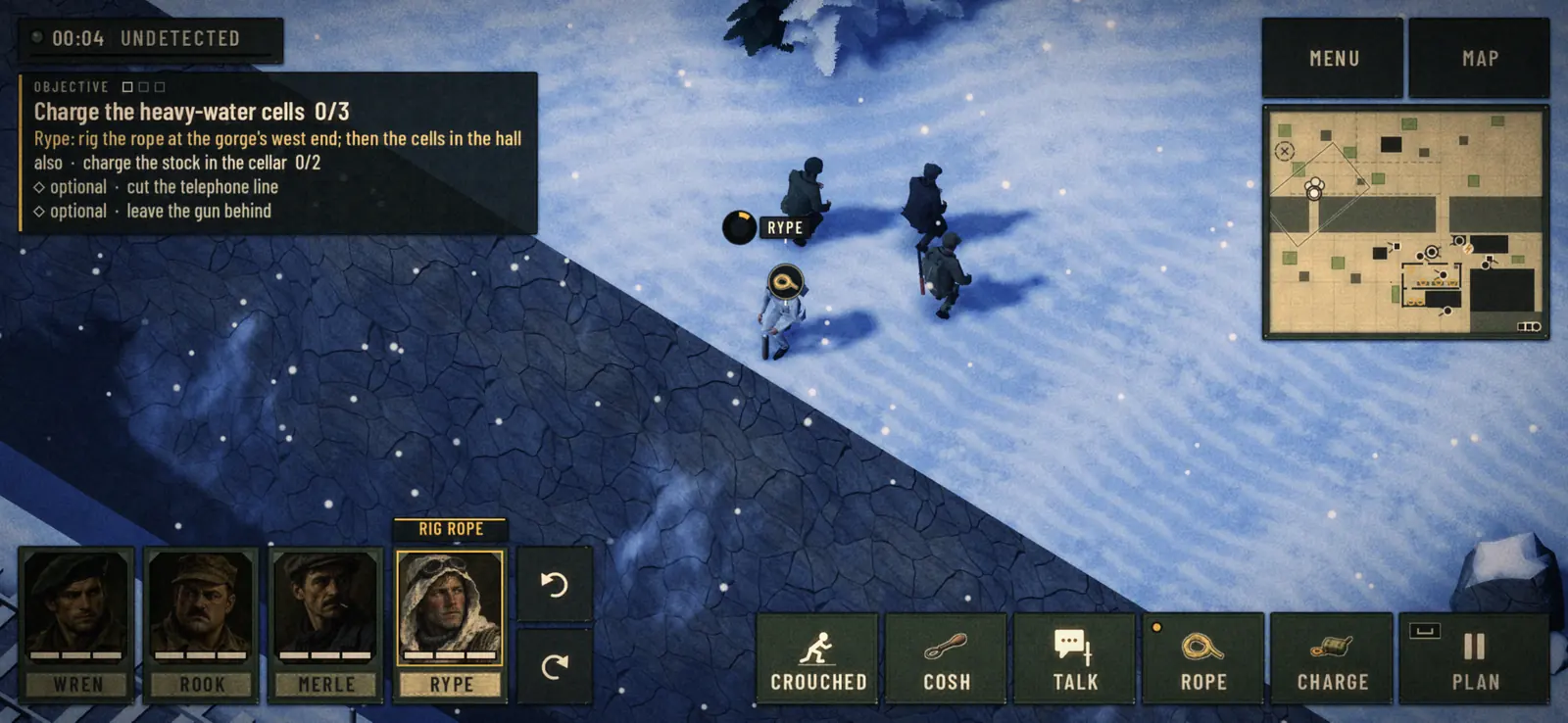
A Norwegian ski scout, new to the squad. He rigs the rope down the gorge so nobody has to cross the lit bridge. Crouched and still on the snow in his white suit, a guard sees him only from close by; upright, he runs on his skis, faster than anyone.
Kit Demolition charges, cosh, a rope for the gorge, skis, white snowsuit, Norwegian
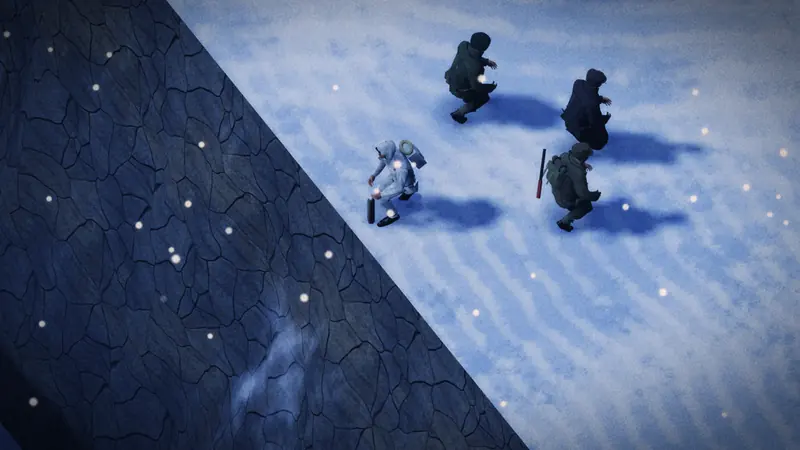
At the lip of the gorge. Rype fixes the rope; then down, across the ice and up the far side.

The other side
Who's on watch
Every guard has a cone you can see and a beat you can learn.
-
Garrison
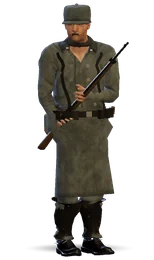
Winter coats on the bridge, the railway and the plateau. They follow tracks.
-
Sergeant
The one who looks twice: he sees through a borrowed uniform and knows the night shift by face.
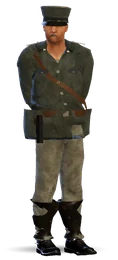
From above
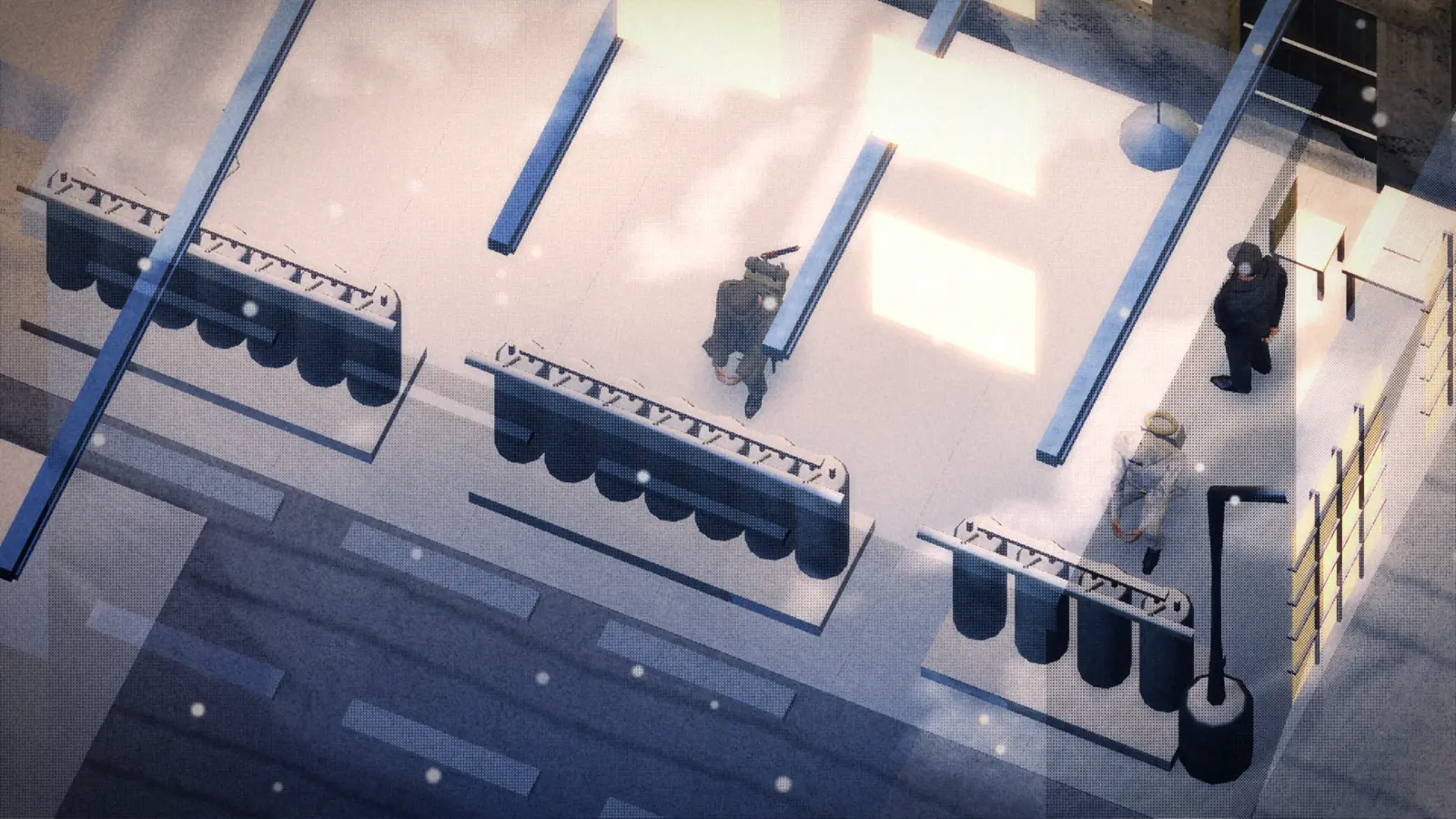
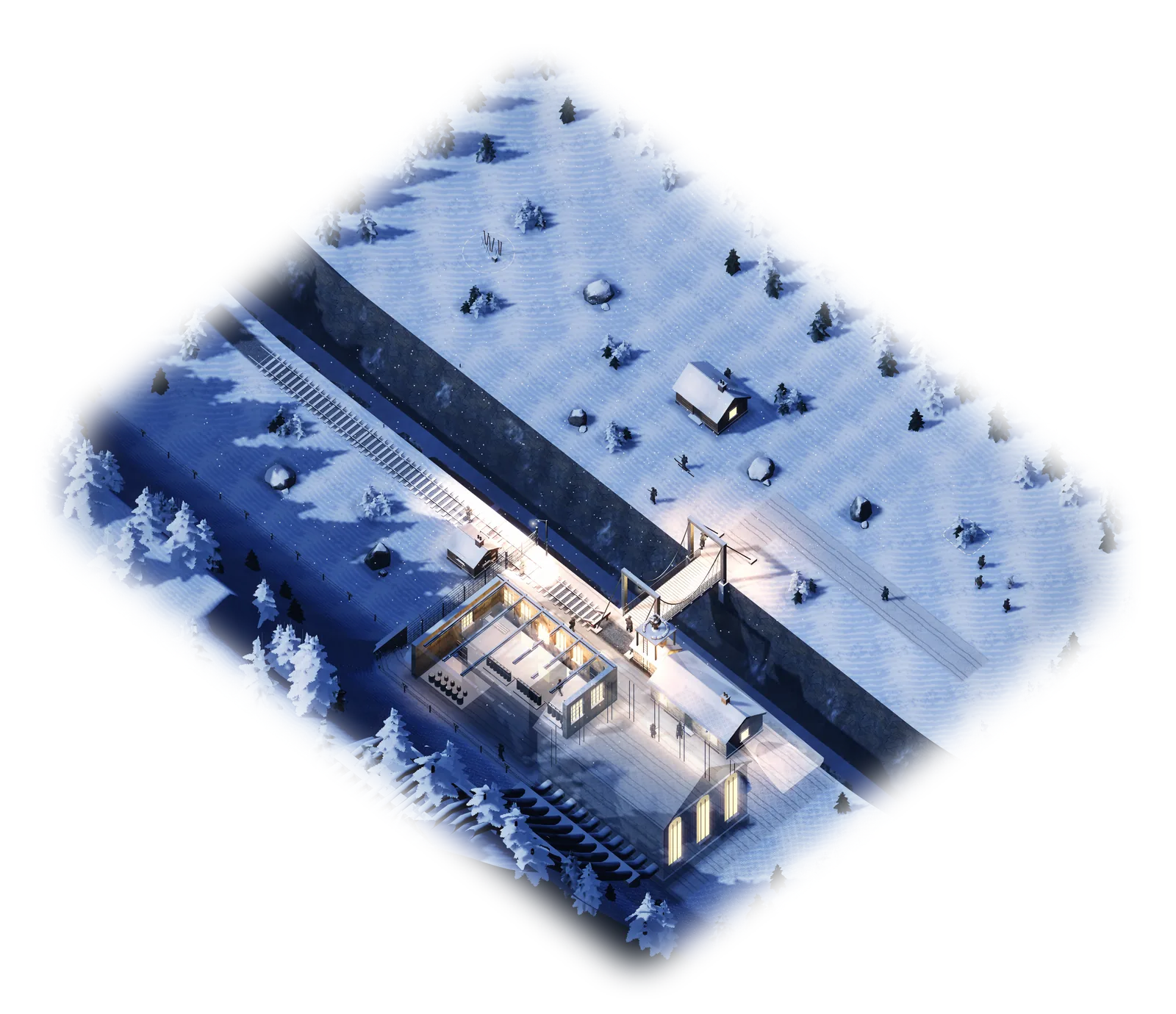
The whole ground
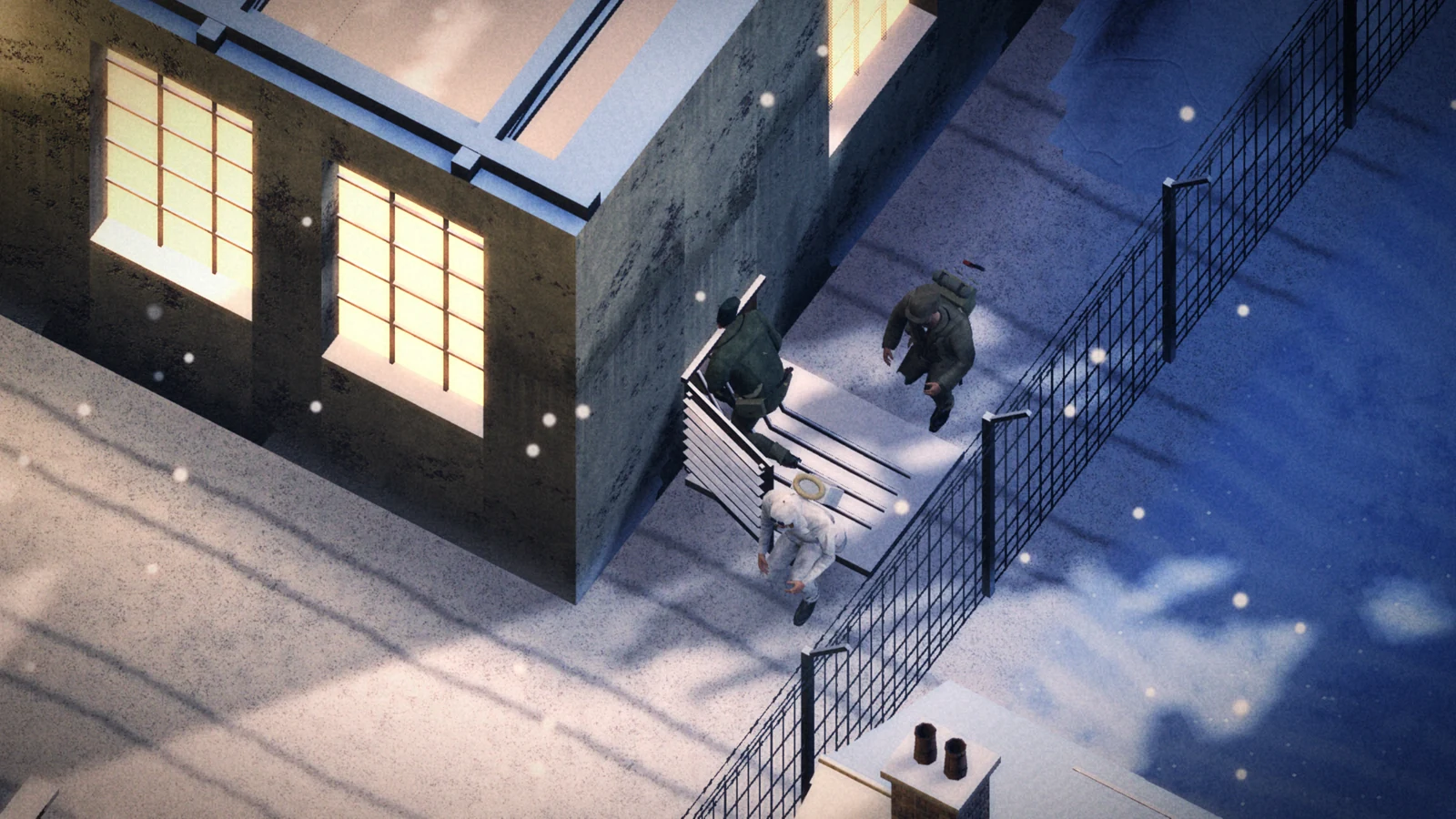
All of it at once, as the game draws it on the night: the squad at their start, the guards on their rounds. Drag it about, and zoom in on anything.
New in this operation
Four new tricks
-

Footprints
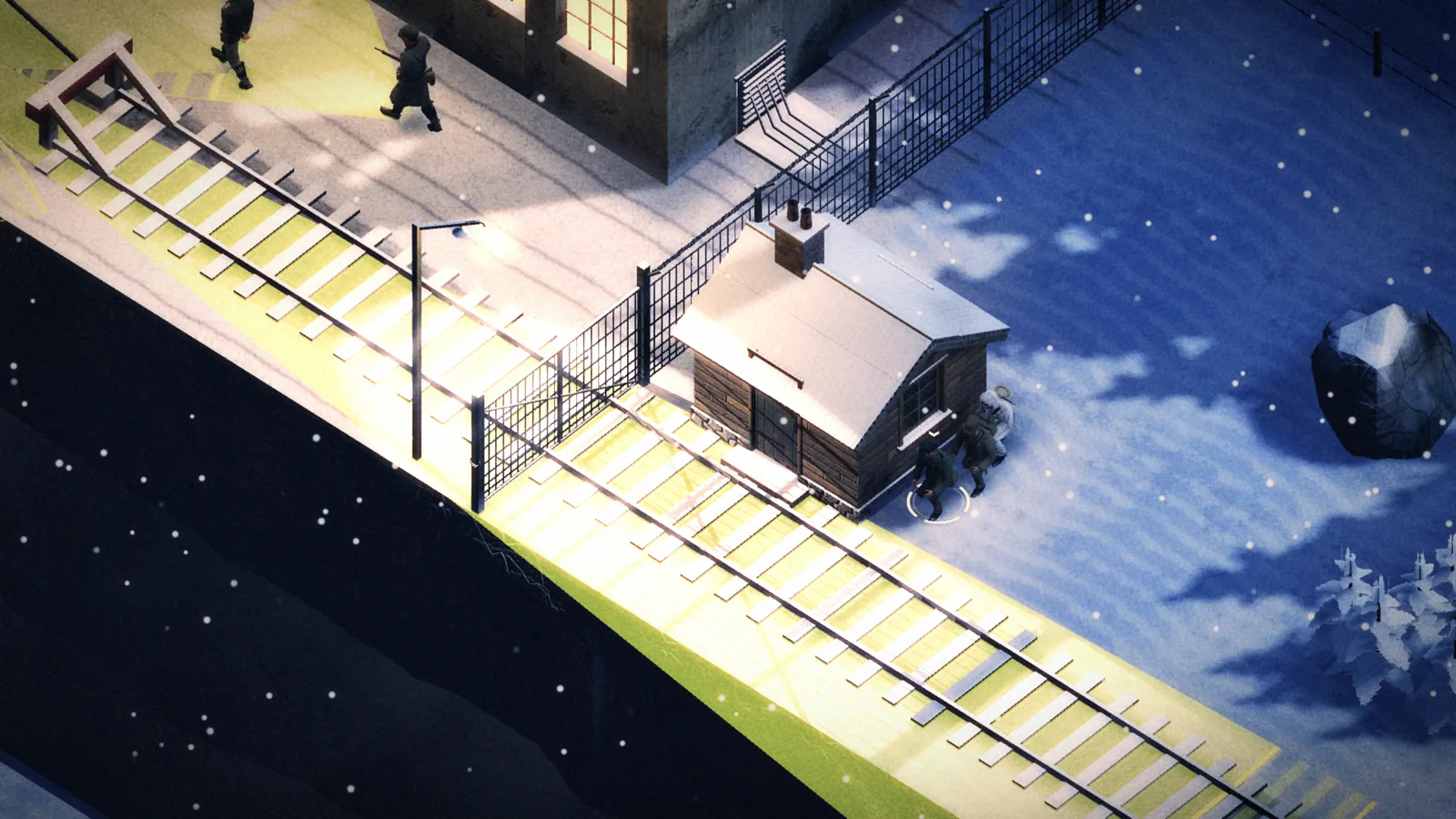
Fresh snow takes footprints, and a guard who crosses them follows them. Roads, the railway, the bridge and the yard are packed hard; falling snow covers prints within a minute.
-
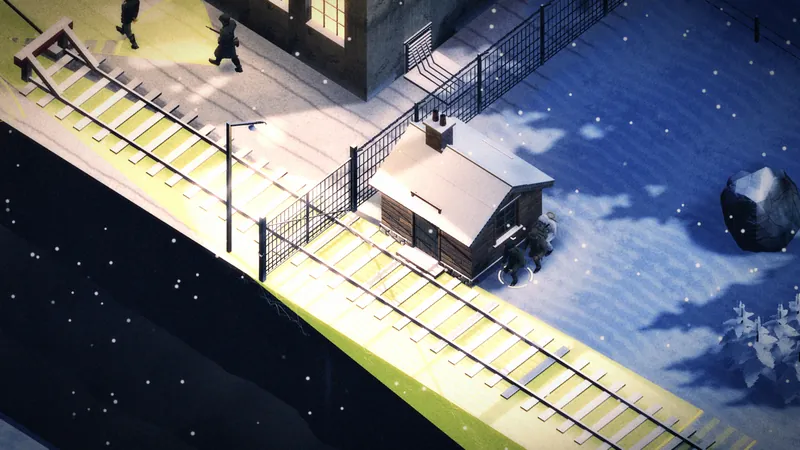
Wait for dark
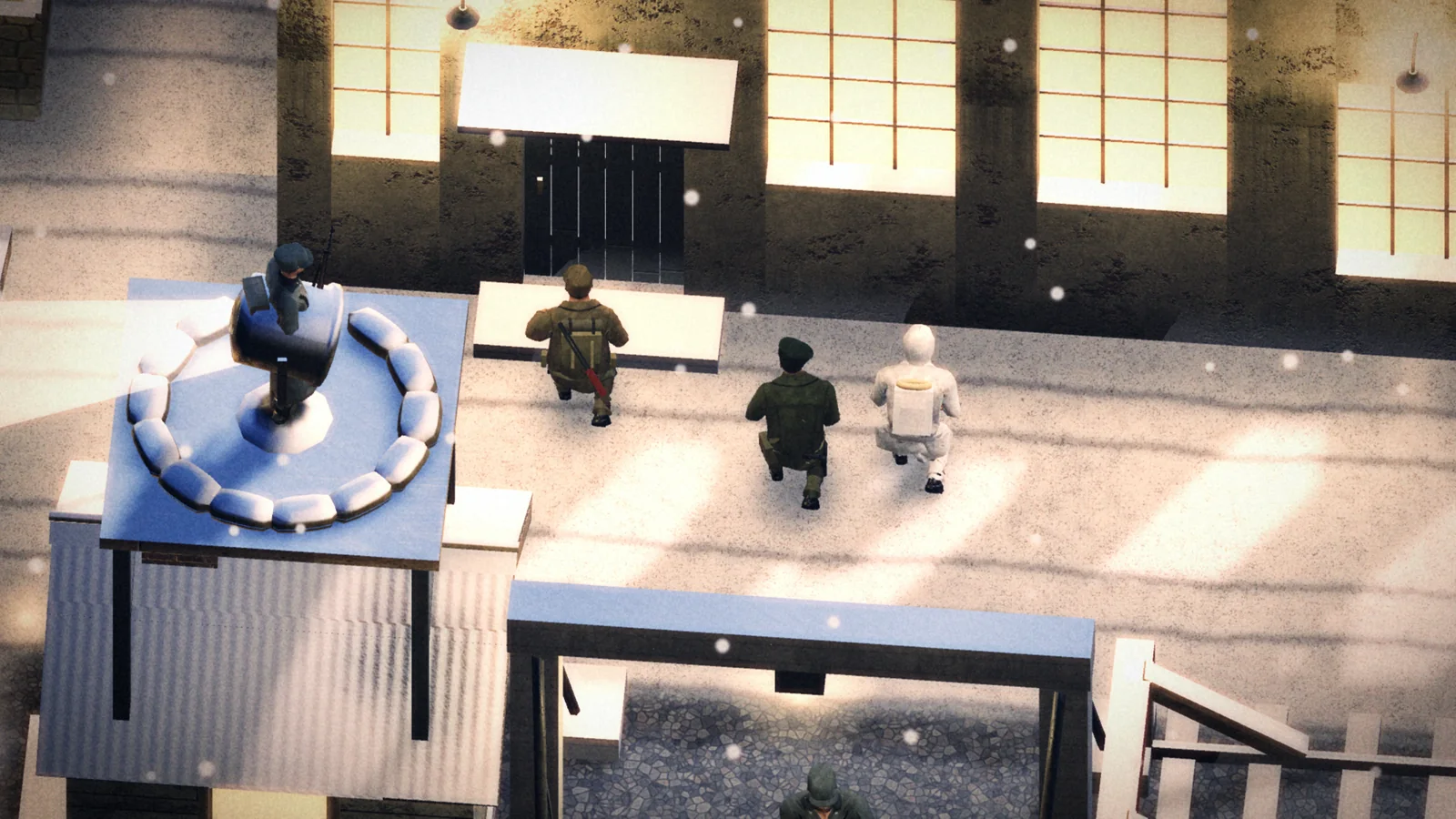
The searchlight on the guard hut sweeps the railway, the gate and the front of the plant. In its beam crouching hides nobody, but it can't see behind the huts: wait in their shadow for it to pass.
-
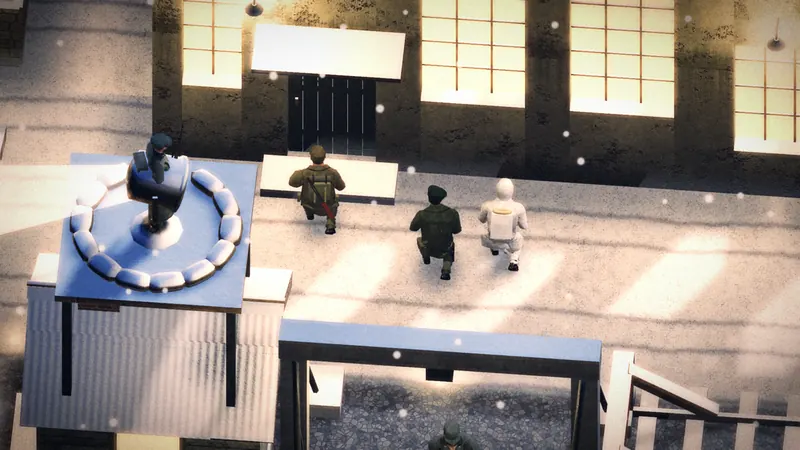
Three ways in
The plant is sealed. Anyone can break the window, and it is heard; Rook cuts it out quietly. Rook picks the main door, under the floodlight. Anyone can open the cable duct, then a slow crawl.
-
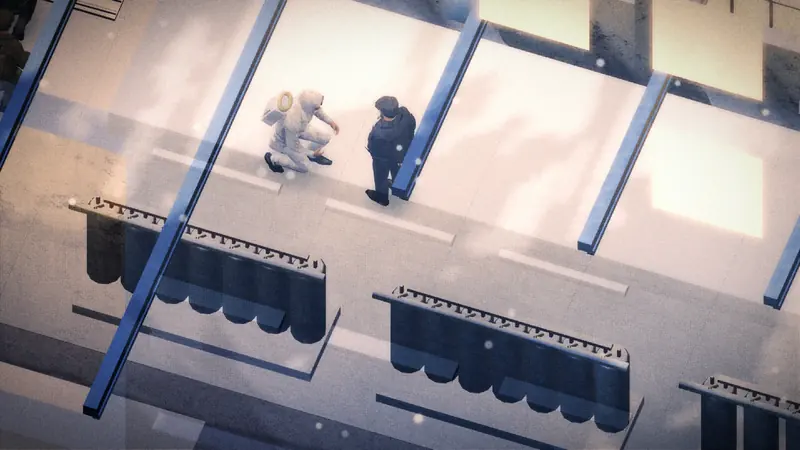
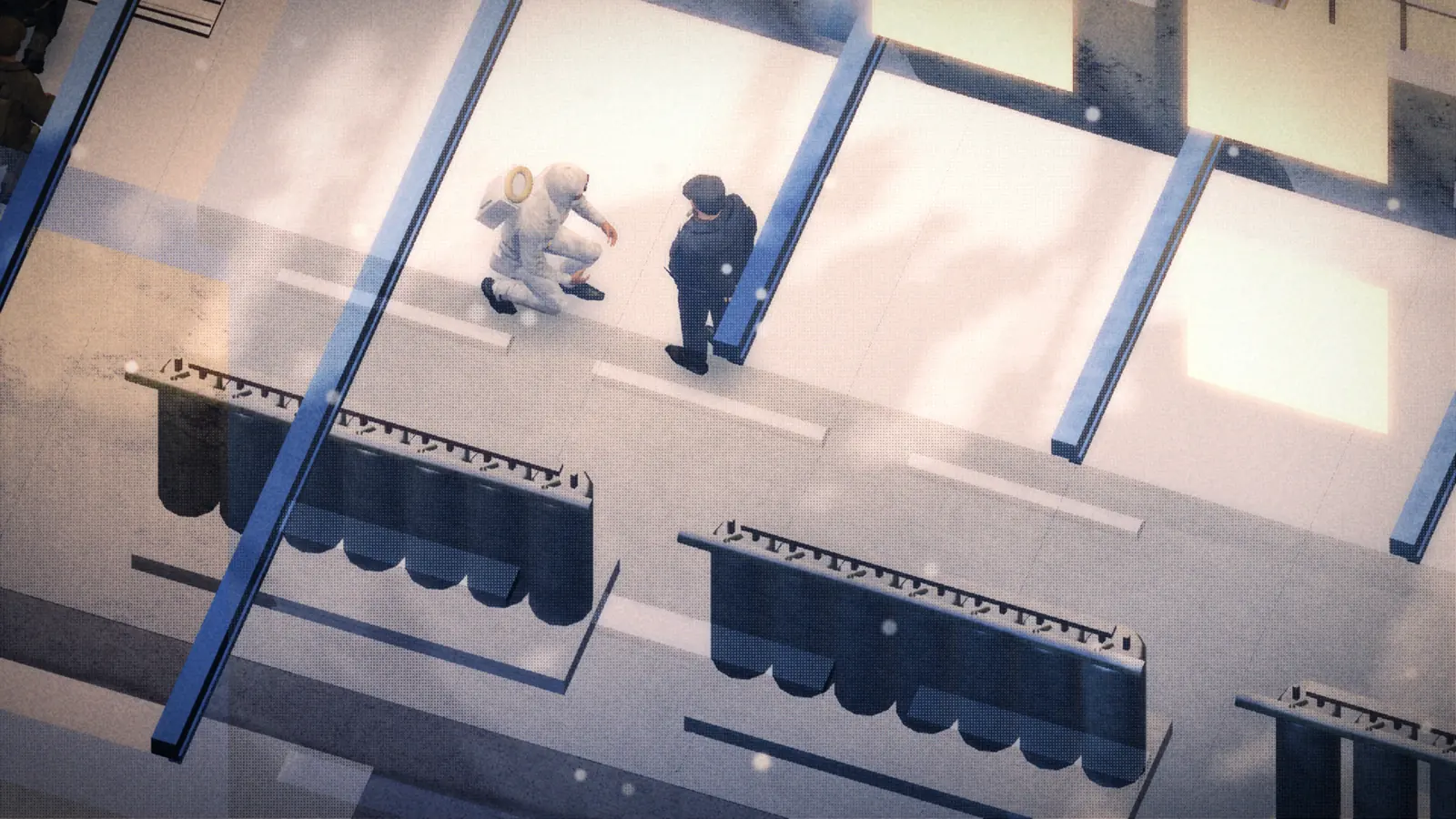
A quiet word
A night watchman walks the hall. He is a local man, not a soldier: nobody will kill him, but if he sees a stranger he shouts. Rype can talk him round in Norwegian, or Rook can tie him up.

From the plant

0:30
Thirty seconds
The charges went off as you climbed out of the gorge. In the hall the cells are wrecked, and in the cellar the drums of heavy water are split open: months of the plant's work, gone. By dawn the four of you were far out on the plateau, and the snow was filling in your tracks.
-
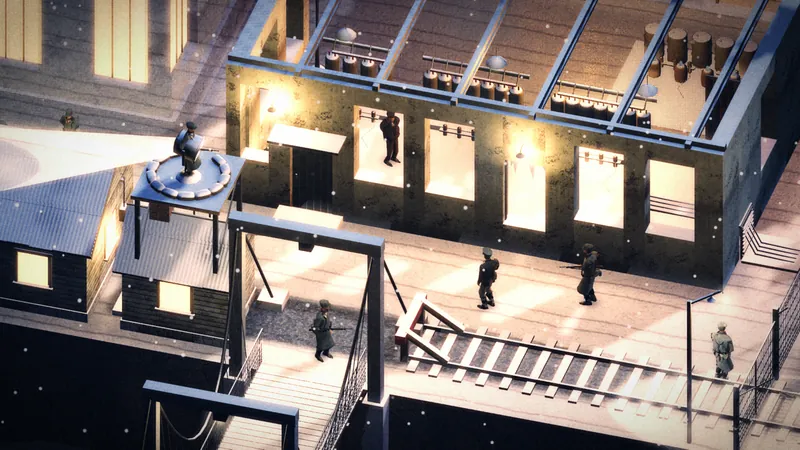
The hall. The fuses burn for thirty seconds. -
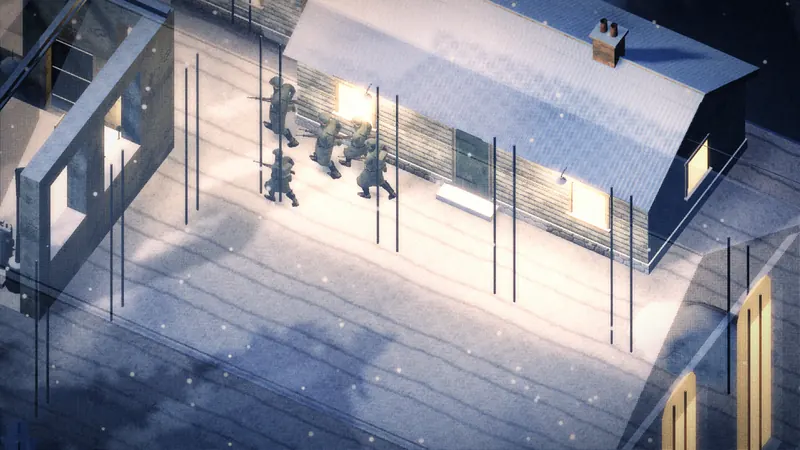
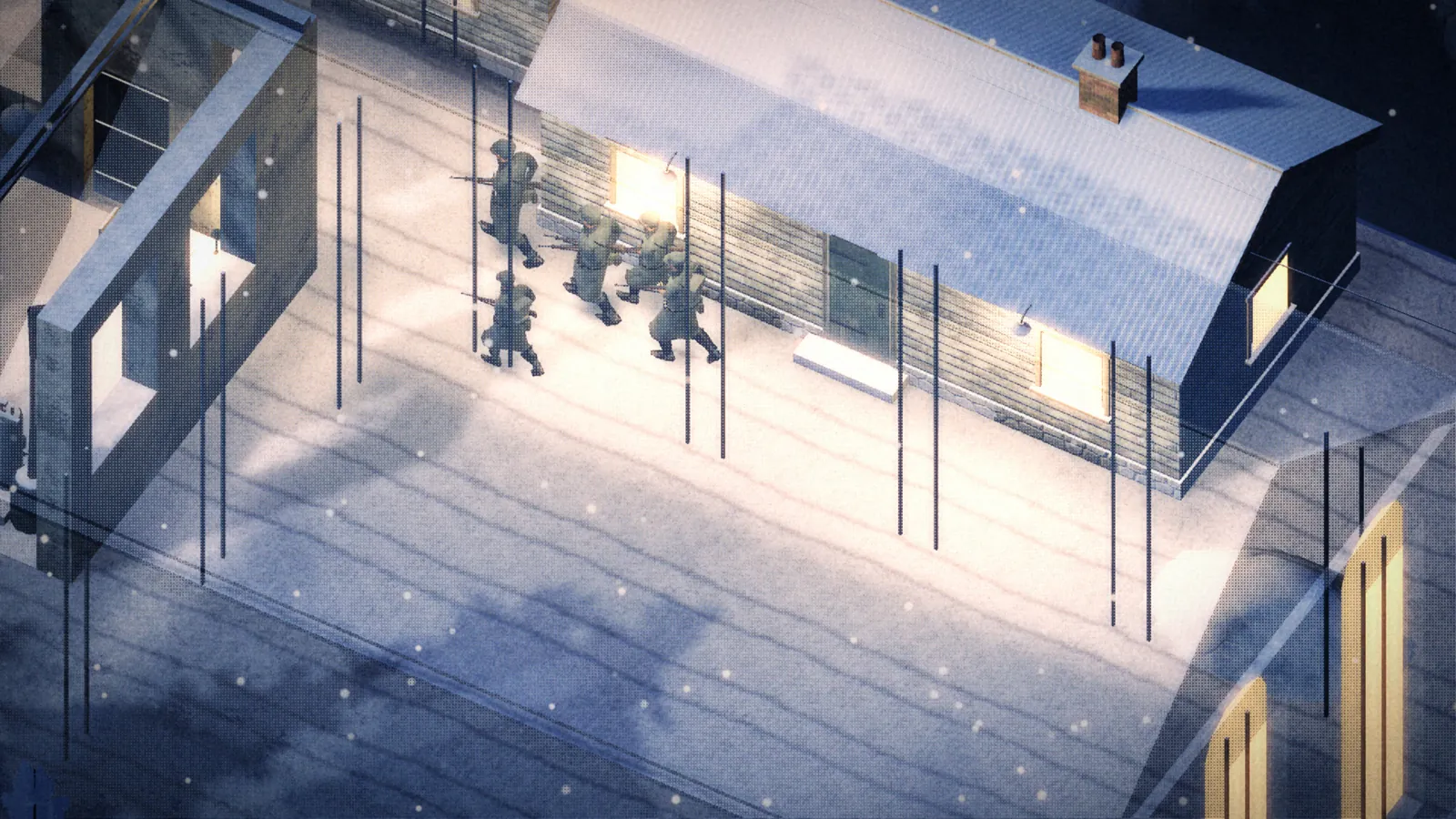
The search. Men turn out and follow tracks. -

The skis. Back across the plateau before dawn.
Saboteurs / Field operations The real story
The real raid · 27 to 28 February 1943
Operation Gunnerside
Tungtvannsaksjonen, as Norway calls it: the heavy water sabotage.
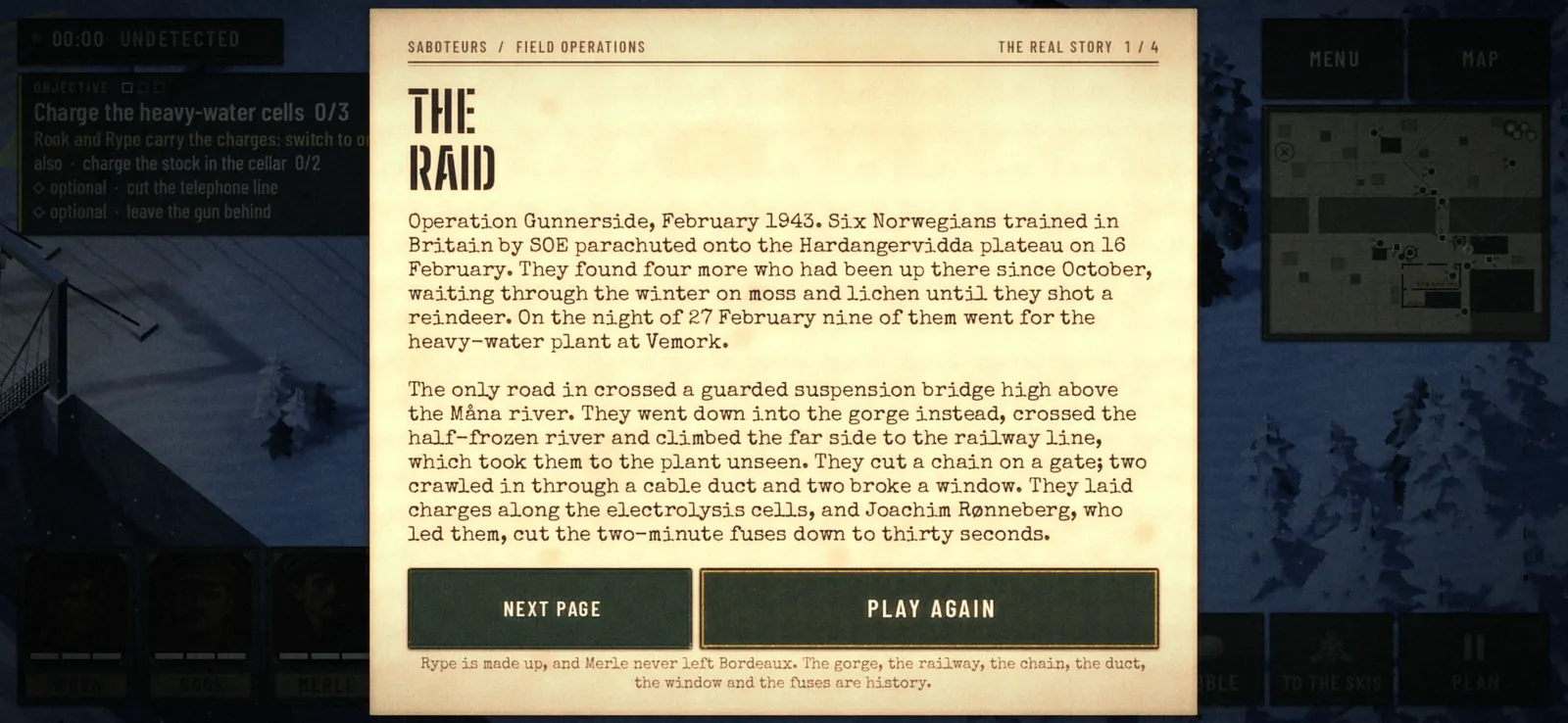
Six Norwegians trained in Britain by SOE parachuted onto the Hardangervidda plateau on 16 February. They found four more who had been up there since October, waiting through the winter on moss and lichen until they shot a reindeer. On the night of 27 February nine of them went for the heavy-water plant at Vemork.
The only road in crossed a guarded suspension bridge high above the Måna river. They went down into the gorge instead, crossed the half-frozen river and climbed the far side to the railway line, which took them to the plant unseen. They cut a chain on a gate; two crawled in through a cable duct and two broke a window. They laid charges along the electrolysis cells, and Joachim Rønneberg, who led them, cut the two-minute fuses down to thirty seconds.
We took liberties. Rype is made up, and Merle never left Bordeaux. The real nine moved as one party; in the game four do the work of nine, and the searchlight, the ski patrol and the sergeant are ours. The gorge, the railway, the chain, the duct, the window and the fuses are history.
| Name | That night | Afterwards |
|---|---|---|
| Joachim Rønneberg | Led them. In through the cable duct; lit the fuses | Skied to Sweden |
| Fredrik Kayser | In through the cable duct; guarded the watchman | Skied to Sweden |
| Birger Strømsheim | In through a window | Skied to Sweden |
| Kasper Idland | Kept watch at the window | Skied to Sweden |
| Hans Storhaug | Covering party | Skied to Sweden |
| Knut Haukelid | Led the covering party | Stayed. Sank the last of the heavy water |
| Arne Kjelstrup | Covering party | Stayed on the plateau |
| Jens-Anton Poulsson | Covering party | Got out by way of Oslo |
| Claus Helberg | Covering party; found the way down | Escaped a ski chase |
Two stayed on the plateau with the radio, to tell London how it went: Knut Haugland and Einar Skinnarland.
-
The watchman
Inside the hall they met one man: the Norwegian night watchman, Johansen. He did as he was told. His glasses had gone missing, and before the fuses were lit the men found them for him: spectacles could hardly be replaced in wartime. In Rønneberg's telling, the watchman was told to lie down and keep his mouth open against the blast.
The men wore British uniforms under their white suits, and they left a British submachine gun behind on purpose, so that the occupiers would blame Britain and not the people of the valley. The guards first took the blast for a mine set off by the snow. Some 3,000 soldiers searched the mountains afterwards and caught no one; five of the men skied to Sweden.
Nobody was killed on either side that night.
-
Before them
Gunnerside was the second attempt. On 19 November 1942, in Operation Freshman, two bombers towed gliders carrying 34 Royal Engineers towards Vemork. Ice and bad weather brought both gliders down, and one bomber flew into a mountain with its crew. The men who survived the crashes were captured and murdered under Hitler's Commando Order. None of them came home.
The four Norwegians waiting on the plateau to guide the gliders in stayed on through the winter for the team that came next. At Vemork the Germans added mines, floodlights and guards.
-
What remains
More than 500 kg of heavy water was lost with the cells that made it, and production stopped for months. American bombers struck Vemork and Rjukan in November 1943, killing 21 civilians, and the Germans gave up making heavy water there. On 20 February 1944 Knut Haukelid and his men sank the ferry carrying the last of it across Lake Tinnsjø: 14 Norwegian crew and passengers died, with four German soldiers. Germany's atomic programme never came close to a bomb, but in 1943 nobody in London could know that.
Vemork's old power station is now the Norwegian Industrial Workers' Museum, part of a UNESCO World Heritage Site since 2015. The heavy-water cellar where the charges went off was dug out and opened to visitors in 2023.
In memory of the men of Operation Freshman, and of the people of
Rjukan and Tinnsjø.
Read about the raid
Saboteurs · In beta on iPhone, Android and the web
Take the rope down
Saboteurs is in beta on iPhone, Android and the web. Operation Gunnerside is the third operation, and the hardest yet.
- iPhone Now in beta
- Android Now in beta
- Web Now in beta